iRacing is building a brand-new graphics engine called Spark. The team is building it in-house, from scratch, and when it ships, it will be the most significant visual overhaul in the sim’s history. Here’s what the iRacing Spark engine is, what it will fix, and where development currently stands.
Why iRacing Built Their Own Graphics Engine
Before committing to Spark, iRacing evaluated third-party graphics engines. The team reviewed the available options and found nothing precise enough for sim racing. The physics pipeline, the rendering requirements, and the visual feedback precision needed at real racing speeds simply didn’t map onto engines designed for other game genres.
So iRacing decided to build their own. That decision meant a multi-year commitment, and the team accepted that cost deliberately. The result is Spark: a proprietary engine that iRacing designed specifically for one purpose, making the sim look and run the way it needs to.
What the Spark Engine Will Fix
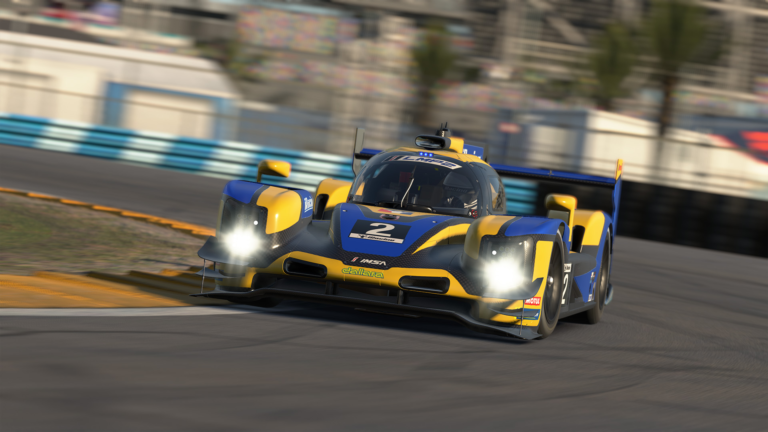
Night lighting is the headline improvement. iRacing has offered night racing for years, but the execution always felt flat. Headlights don’t behave convincingly. The darkness lacks atmosphere. Racing at 2am in an endurance event feels more like racing in a dimmed version of daytime than actually racing at night.
iRacing’s own team described Spark’s night lighting as “transformative.” That’s a term iRacing uses carefully. For a studio that typically understates development milestones, choosing that word for a specific feature carries real weight.
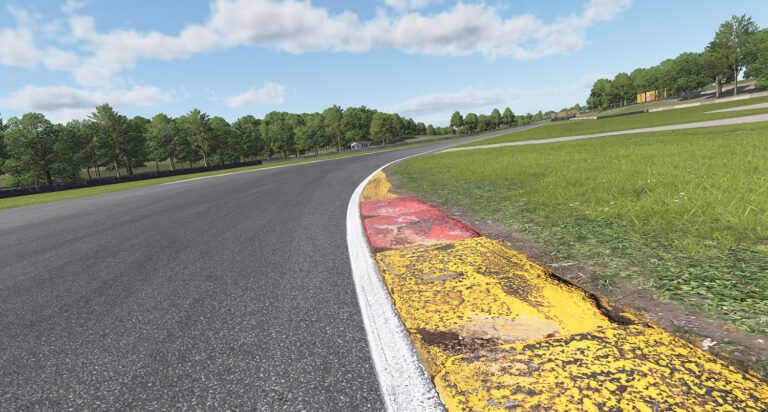
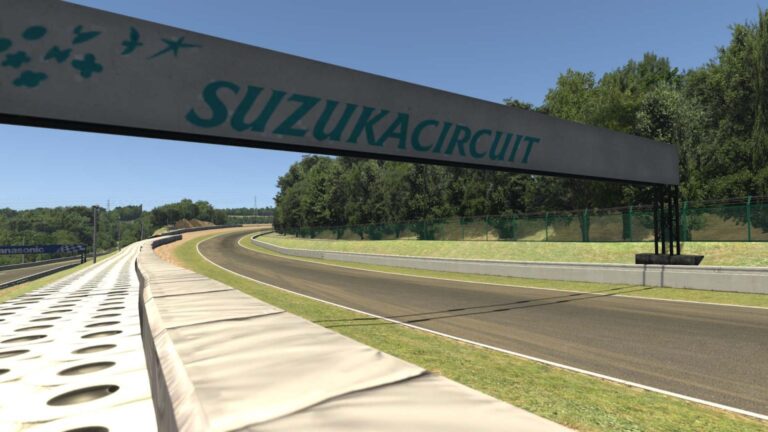
Beyond night racing, Spark also addresses the broader visual gap. The current rendering foundation predates a full generation of GPU architecture. Spark will use modern hardware the way it was designed to work, with shading, shadow rendering, and lighting techniques the current engine cannot execute.
Night Racing and What “Transformative” Actually Means
Night lighting in a sim is technically harder than it appears. The challenge isn’t simply making things darker. It involves modeling how light behaves when it’s the only source in a dark environment. Additionally, headlight interaction with track surfaces and ambient glow from distant lights both require accurate rendering.
Current iRacing approximates these effects at a serviceable level. However, the Spark engine will model these interactions properly rather than approximating them. If the improvement delivers what the dev team describes, it will change how late-night endurance racing feels in ways no patch or shader update could match.
Where Development Stands Right Now
iRacing has reached the Vertical Slice milestone. This internal checkpoint proves the core technology works. Reaching the vertical slice on a new engine means the rendering pipeline is established. Furthermore, the team is now building on confirmed technology rather than prototype work.
As of February 2026, iRacing announced a public developer deep-dive on Spark “in the coming months.” iRacing had not yet published that piece at the time of writing. When it arrives, it will provide the first detailed technical look at what the engine does under the hood.
When Will Spark Ship?
iRacing has not announced a release date. The team has been deliberately vague about the timeline. That approach is consistent with how iRacing handles major development projects. They’ve confirmed Spark publicly and reported progress, but no date has come with either update.
The vertical slice milestone is complete, and a developer deep-dive is in preparation. So Spark is likely past the stage of theoretical risk and into active implementation. However, because iRacing still hasn’t published that deep-dive, a near-term release is probably not imminent.
What Spark Means for iRacing Long Term
The current iRacing engine has been doing its job for a long time. Because the physics model and competitive systems don’t depend on graphical fidelity, the visual gap remained tolerable. The sim attracted and retained drivers on the strength of what it modeled, not what it looked like.
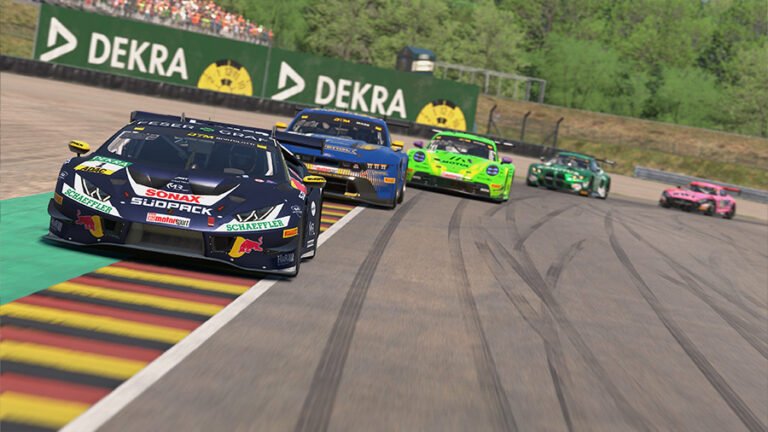
Spark raises the ceiling substantially. When the engine ships, the art team will gain tools the current engine cannot provide. Better environmental lighting, more realistic surface materials, and improved car rendering at speed all become achievable. Additionally, tracks and cars created for Spark will look noticeably better than what today’s pipeline allows.
The broader impact is on perception. One recurring critique from newcomers is that iRacing looks dated compared to other titles. Spark addresses that directly. It won’t change the physics model or the ranking system, but it will change how the sim presents itself to anyone who hasn’t yet committed. When it ships, it will be one of the most significant changes in iRacing’s history. For more on what the community has been waiting for, see the iRacing Community Wishlist for 2026.