How to Keep Improving in iRacing Every Single Week
Learning a new track every week in iRacing is hard enough. Here’s a routine that builds real improvement into your schedule no matter which circuit shows up.

Racecraft guides and strategy breakdowns for iRacing. Covers braking technique, tire management, pit strategy, overtaking, qualifying decisions, and race-by-race decision making.
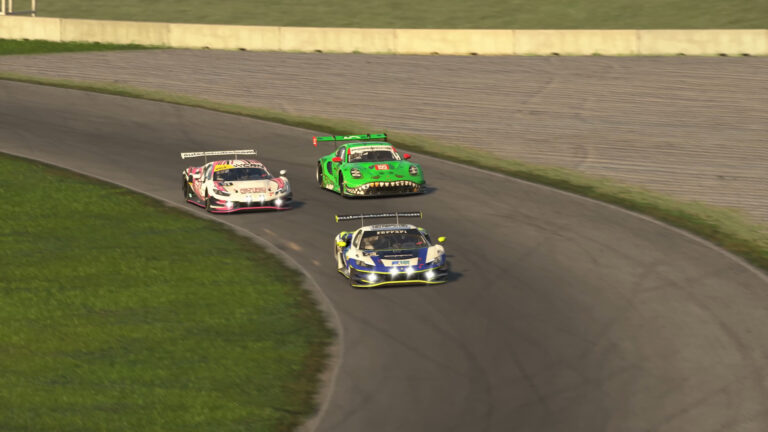
Learning a new track every week in iRacing is hard enough. Here’s a routine that builds real improvement into your schedule no matter which circuit shows up.
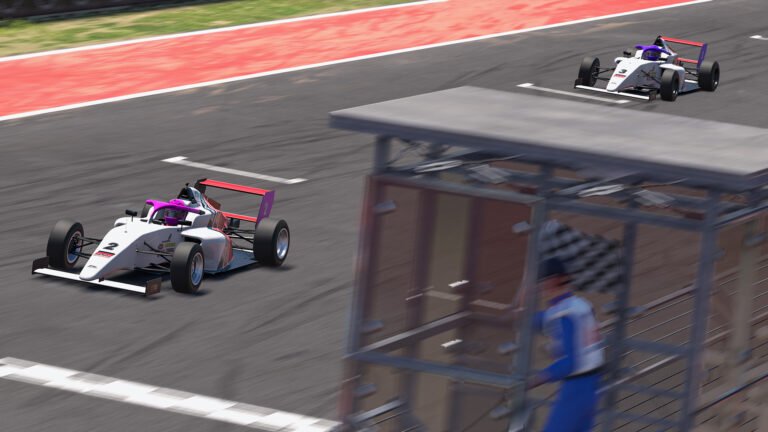
A beginner-friendly guide to iRacing telemetry, starting with one corner and one trace to find your biggest lap time loss.
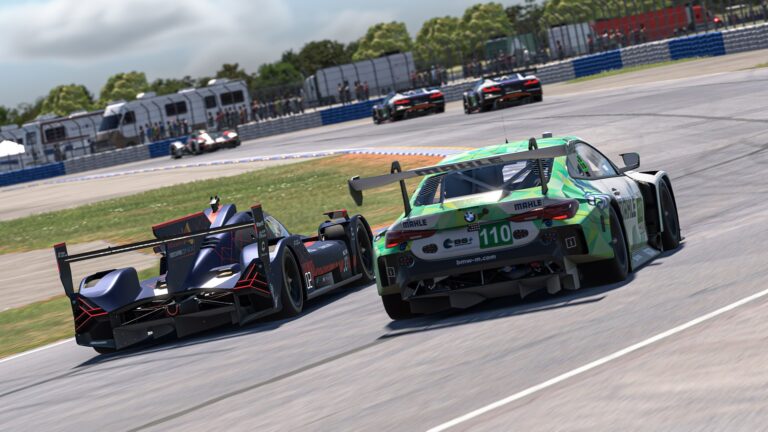
Using a pit start in iRacing to protect your Safety Rating feels logical. Here is why it makes things worse, and what actually builds SR over time.

Learn which iRacing pit adjustments actually move the needle mid-race, from brake bias to traction control to pit stop changes.
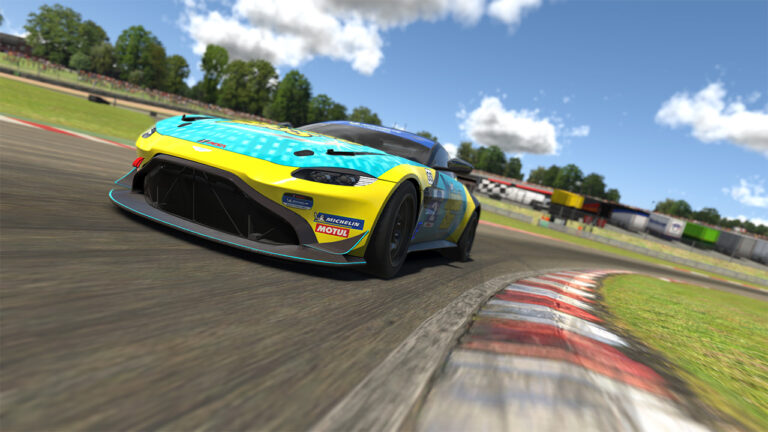
A repeatable pre‑start routine to calm nerves and nail clean launches in traffic.
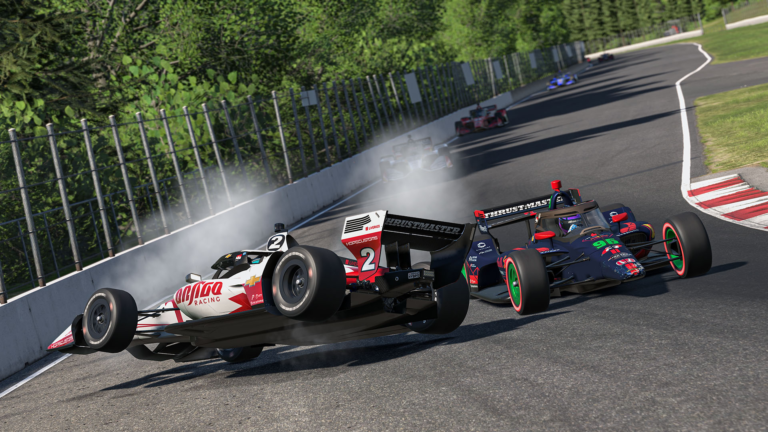
Most iRacing crashes follow predictable patterns. This guide covers the racecraft decisions that lead to fewer incidents, cleaner finishes, and a Safety Rating that actually climbs.
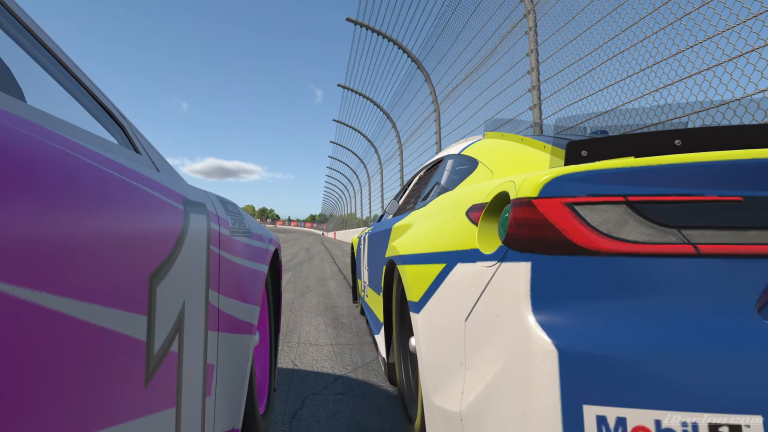
Side draft in iRacing is one of the best tools for oval racing. Here is how iRacing models it, when to use it, and how to apply it in a race without ending up in the wall.
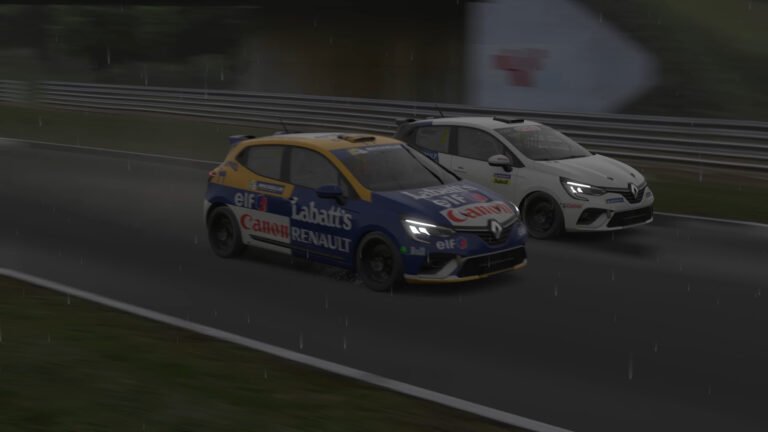
Learn iRacing rain driving from the ground up. Line choice, braking, throttle control, and reading a drying track. These skills pay off fast.
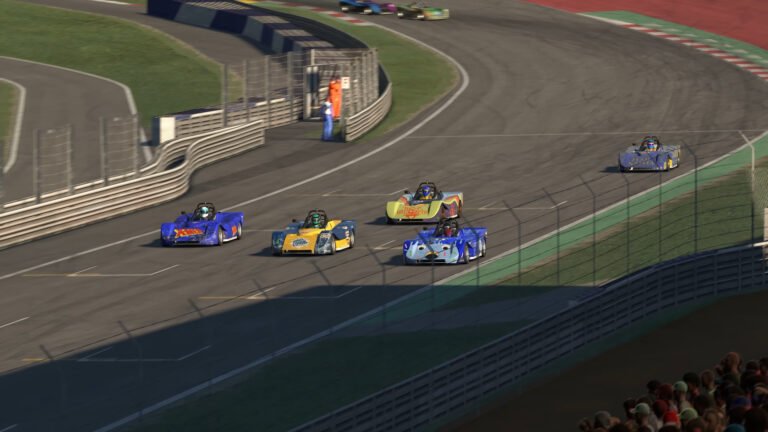
Master the slow corner technique iRacing drivers use to gain lap time through hairpins and tight bends. From entry speed to exit line, here is what matters.

Getting faster at oval racing in iRacing comes down to a few specific areas: entry technique, throttle application, line variation, setup, and consistency. Here is how to work on each.
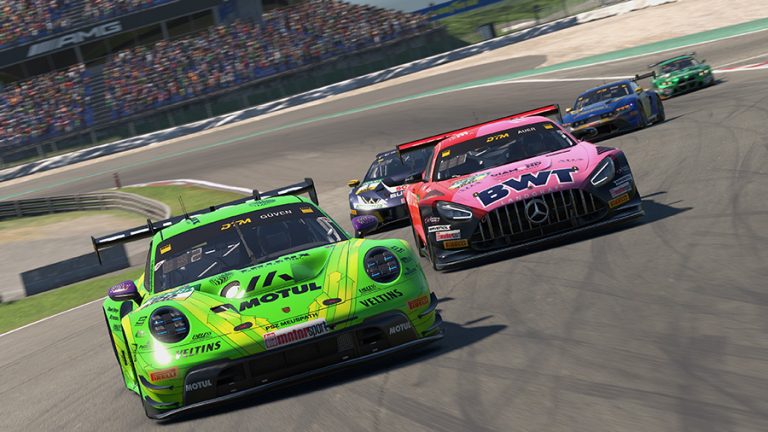
The oval racing line is why the fastest drivers brake harder, go slower at the apex, and exit faster. Here is how it works and how to apply it in iRacing.
Use advanced iRacing racecraft tools to create clean passing opportunities: feints, mirror-reading, and knowing when to abort before an incident.
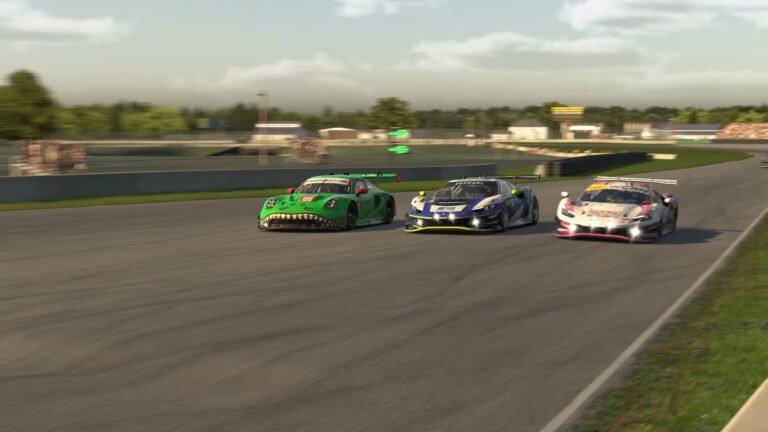
Brake zones, aero dependence, and traffic etiquette when you move up to GT3.
Qualifying in iRacing is optional, but starting from the back or running a flying lap is rarely a neutral choice. Here is the case for and against, depending on the series and what you want from the race.
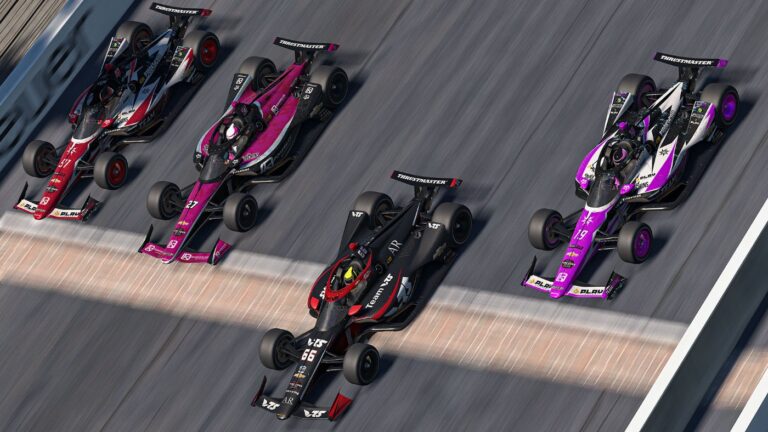
iRating progress in iRacing varies dramatically between drivers. Some reach 3,000 in six months. Others hover at 1,500 for years. Here is what actually drives improvement.
Fair defending in iRacing means one clear move before the braking zone. This guide covers when to cover entry versus protect exit, how to leave usable room, and exactly where fair defense ends and blocking begins.
Most iRacers brake from a fixed reference point. That works for hotlapping. Wheel-to-wheel racing is a different problem. Here is how to judge your braking point when there is a car alongside you.
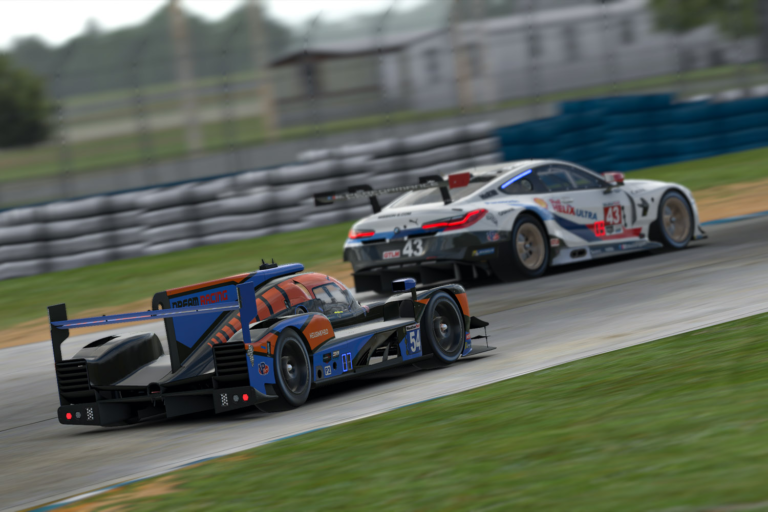
More data does not always mean more speed. Here is why experienced iRacing drivers know when to stop analyzing and let their instincts take over, and how you can build the same skill.
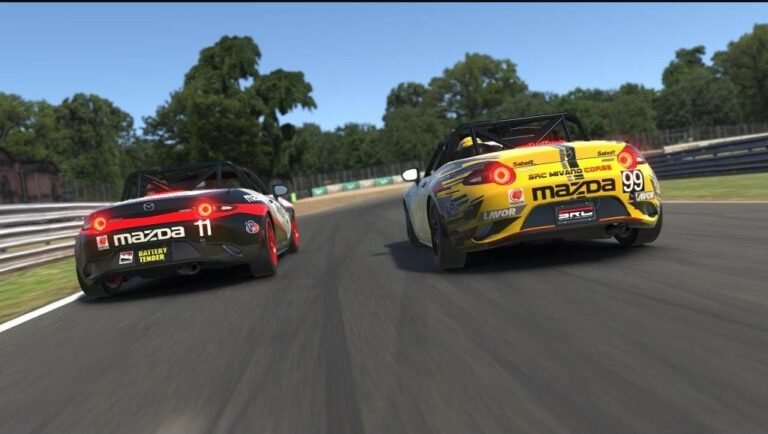
Overtaking in iRacing begins before the braking zone. This guide covers building exit speed, forcing defensive lines, and choosing inside or outside to complete passes that stick.

Most sim racers improve lap times by chasing setups or grinding laps. The real gains come from a shorter list of fundamentals that most drivers never properly work on.
We use cookies to improve your experience on our site. By using our site, you consent to cookies.
Manage your cookie preferences below:
Essential cookies enable basic functions and are necessary for the proper function of the website.
Statistics cookies collect information anonymously. This information helps us understand how visitors use our website.
Google Analytics is a powerful tool that tracks and analyzes website traffic for informed marketing decisions.
Service URL: policies.google.com (opens in a new window)
You can find more information in our Cookie Policy and Privacy Policy.