iRacing’s tire model has always been one of the sim’s biggest selling points, and NTMv10 is the most significant update it has received in years. Version 10 of the New Tire Model brings double-precision physics, a completely reworked contact patch system, and a new degradation mechanism that changes how tires feel over a stint. If you have noticed that certain cars feel more alive on corner entry or that tire wear finally makes strategic sense, NTMv10 is why.
What Changed in NTMv10
The jump from NTMv9 to NTMv10 is not just a version number bump. iRacing rebuilt core parts of the tire physics pipeline to support higher-fidelity calculations. The biggest technical change is the move to double-precision physics. Previous versions used single-precision math, which worked fine for most situations but introduced small rounding errors that could compound over time. Double precision eliminates those errors and allows the sim to model subtler tire behaviors accurately.
The contact patch model received a complete overhaul. NTMv10 divides the tire’s contact patch into more slices than previous versions, and each slice now tracks its own heat, conditioning, and wear state independently. This means the inside edge of your tire can be at a completely different temperature and grip level than the outside edge, just like a real tire. The result is more realistic feedback through the wheel when you load up the front tires on turn-in or push hard through a long sweeper.
How It Feels Behind the Wheel
The most noticeable change for most drivers is in the steering feel. iRacing’s team focused heavily on improving “moments,” which are the twisting torques that tires generate and that you feel through your force feedback wheel. In NTMv10, tires respond more quickly when they are first loaded. Push the car into a corner and you will feel the front tires bite almost immediately. Hold that load through a sustained turn and the tires will begin to soften and give back, just like a real racing tire under heat.
This dynamic response is one of the things that separates NTMv10 from earlier versions. In older tire models, the grip level felt more static. You either had grip or you did not. NTMv10 creates a more progressive transition from grip to slip, which gives drivers more information about where the limit is before they cross it. If you have been working on your force feedback settings, you will likely notice the improvement right away.
Tire Degradation That Finally Makes Sense
One of the most common complaints about iRacing’s tire model in previous versions was that tire wear felt artificial. Tires would either hold consistent grip for most of a stint and then fall off a cliff, or they would degrade in ways that did not match what real drivers reported. NTMv10 addresses this with a new “long-term conditioning state” system.
Instead of relying primarily on temperature and cure-based degradation, NTMv10 tracks how the tire’s rubber compound changes over the course of a run. As the tire is worked repeatedly through corners and braking zones, the compound gradually deconditions. Grip fades progressively rather than suddenly, which makes pit strategy decisions feel more meaningful. You can actually feel the tires going off over a long run, and the decision of when to pit becomes about reading that degradation rather than watching a timer.
Each tire in NTMv10 is defined by over 40 independent physical parameters. iRacing uses a Design of Experiments tool that can simulate tens of thousands of test runs to optimize how those parameters interact. The result is a tire model that behaves consistently across different car types and track surfaces while still producing unique characteristics for each tire compound.
Which Cars Have NTMv10
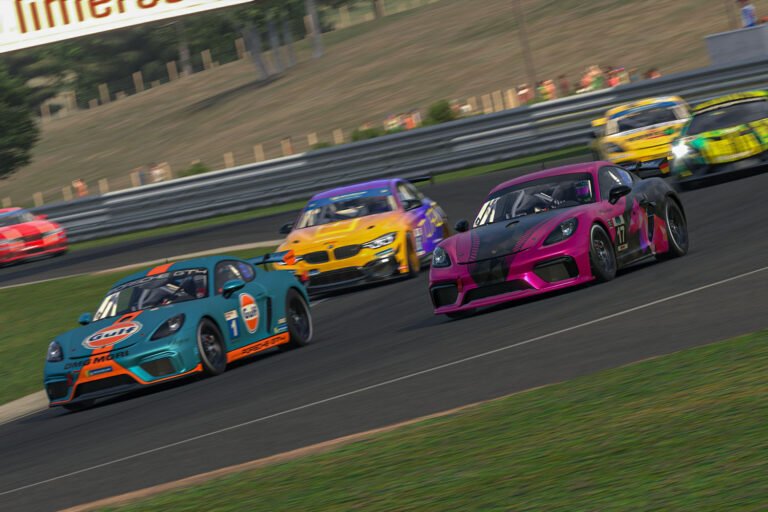
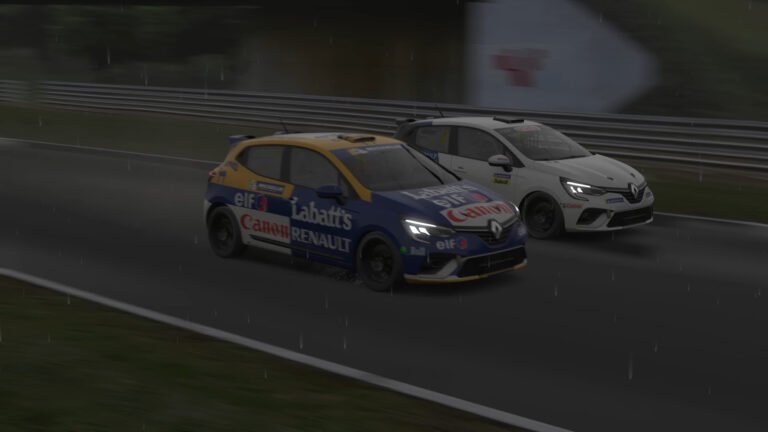
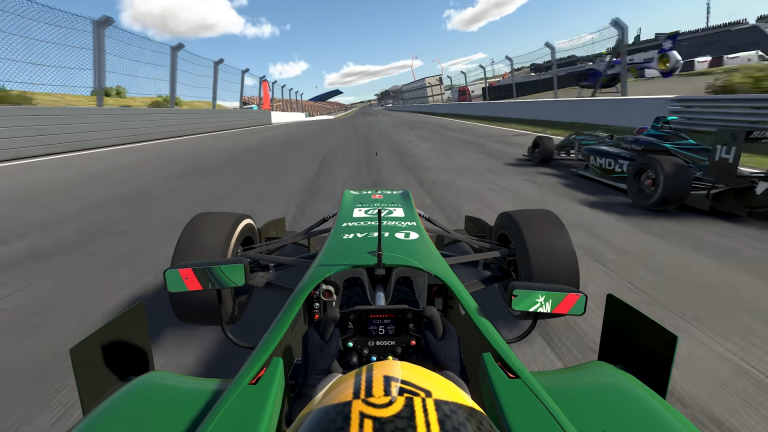
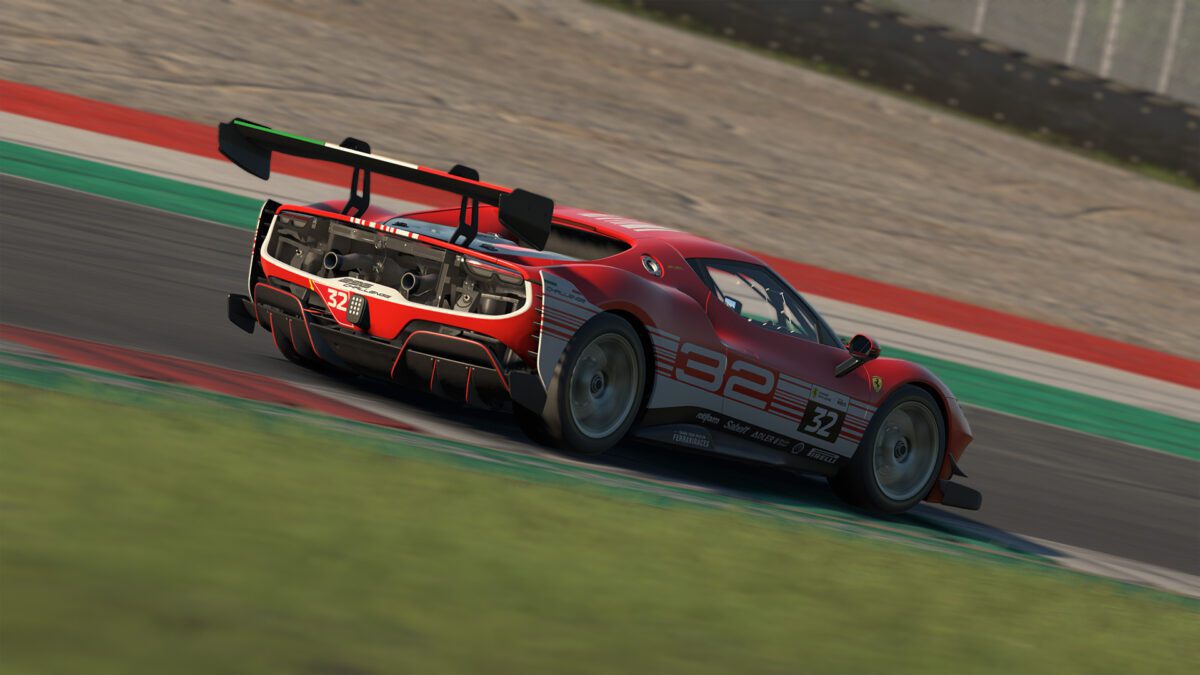
iRacing has been rolling out NTMv10 across the car roster over several seasons. As of the 2026 Season 2 build, the following car classes have been updated to the v10 tire model: GT3, GTP, GT4, TCR, NASCAR O’Reilly Series trucks, GTE, and several standalone cars including the Lotus 49. The rollout is ongoing, with more cars receiving the update each season as iRacing’s tire team works through the catalog.
If you race primarily in GT3 or GTP, you are already on NTMv10 and have been for a couple of seasons. The 2026 roadmap suggests that the remaining car classes will continue to transition throughout the year. Cars still on older tire model versions will eventually receive the update, but iRacing has been deliberate about the pace to ensure each car feels right before it ships.
What NTMv10 Means for the Future
NTMv10 is more than just a physics upgrade. It represents a shift in iRacing’s approach to tire modeling that sets up the platform for future improvements. The modular architecture behind v10 was designed with clearly defined interfaces between components, which makes it easier for iRacing’s developers to iterate on individual parts of the tire model without rebuilding the entire system.
iRacing has also been working on spreading physics calculations across multiple CPU cores. This will eventually allow the tire model to run at even higher sampling rates, which means more accurate calculations per second and reduced latency in how the tire responds to driver inputs. For drivers with high-end direct drive wheels, this could mean an even more detailed and responsive force feedback signal in future updates.
NTMv10 is one of those updates that you might not think about on a lap-by-lap basis, but it fundamentally changes how iRacing feels. The tires are more communicative, degradation is more realistic, and the overall driving experience is closer to what real drivers describe. If you have not driven a car that has been updated to v10 yet, load up a GT3 or GTP and spend a few laps paying attention to how the tires talk to you through the wheel. The difference is real.