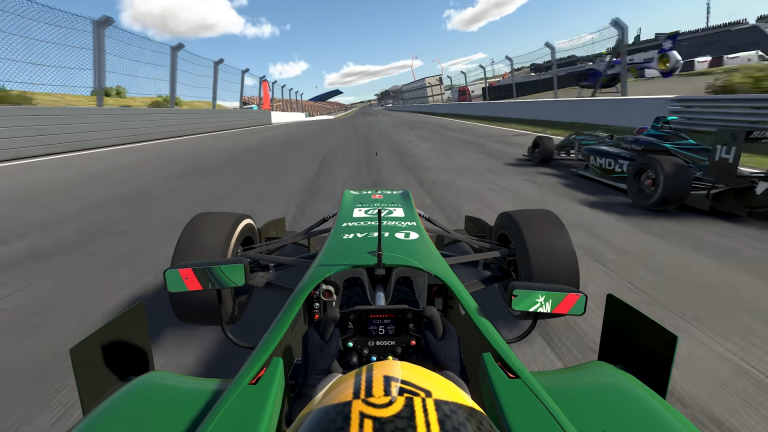
The iRacing Indianapolis 500 is one of the biggest special events on the platform every year. Two hundred laps around Indianapolis Motor Speedway in the Dallara IR-18, the IndyCar-spec open-wheel car from the real-world race. The real event runs May 24. Here is what you need to know before you qualify.
Also See
➡️ iRacing Special Events: Full Calendar and How to Enter
How the Event Works
The iRacing Indy 500 mirrors the real-world format as closely as possible. iRacing splits the event into two weeks: a fixed setup qualifying week and an open setup race week. In the fixed setup week, everyone runs the same car configuration. In the open setup week, experienced oval drivers bring dialed-in setups built for race pace.
If this is your first Indy 500 in iRacing, start in the fixed setup week. The field is more forgiving and the baseline setup is competitive. The open week is faster and more aggressive.
The Dallara IR-18 at Speed
The IR-18 handles differently from most iRacing content. At Indianapolis, where average lap speeds exceed 220mph, aerodynamic balance is everything. Understeer on entry and oversteer on exit are both punishing at this speed, and there is very little room to correct errors before the wall arrives.
The key to a fast lap is maintaining momentum through the corners. The car does not like being lifted mid-corner. Once you commit to the throttle, the goal is to carry consistent speed and let the aero work. Abrupt lifting mid-turn tends to produce a snap that is nearly impossible to catch at oval speeds.
Spend time in qualifying trim before joining a race session. Learn where the limit is before you are surrounded by 30 other cars at race pace.
Race Strategy: 200 Laps
A 200-lap Indy race in iRacing takes around two and a half hours. Fuel and tyres both play a strategic role, and pit timing can make or break a result. The IR-18 does not run the full 200 laps on a single fuel load, so you will be pitting. Multiple pit strategies play out across the field, and the timing of your stops relative to caution periods matters significantly.
In the early laps, drafting is a factor. Sitting in clean air at Indy costs speed, so positioning in a train of cars is part of the early race. As the field spreads out, the race shifts to fuel and tyre management. Focus on clean laps and consistent sector times rather than chasing positions.
First-Time Tips
Practice pit entry and exit before race day. Oval pits are different from road course pits: the lane is narrow, entry speed matters, and coming in too fast causes penalties or damage. Run five to ten solo practice pit stops before you race.
Protect your Safety Rating. A big incident at Indy costs significant SR points. If the race goes sideways, pit, assess the damage, and rejoin carefully. A clean DNF does less harm than fighting through a multi-car incident at 220mph.
The real-world race runs May 24. Give yourself enough practice time before the grid fills up.