If you want more iRating, you don’t need alien pace—you need a repeatable process. These tips focus on controllable habits that stack small advantages: qualifying procedure, racecraft that avoids chaos, consistency that beats raw speed over distance, and a reset routine so one mistake doesn’t snowball into four. Use what fits your series and driving style.
1) Win the Grid: Treat Qualifying Like a Skill, Not a Gamble
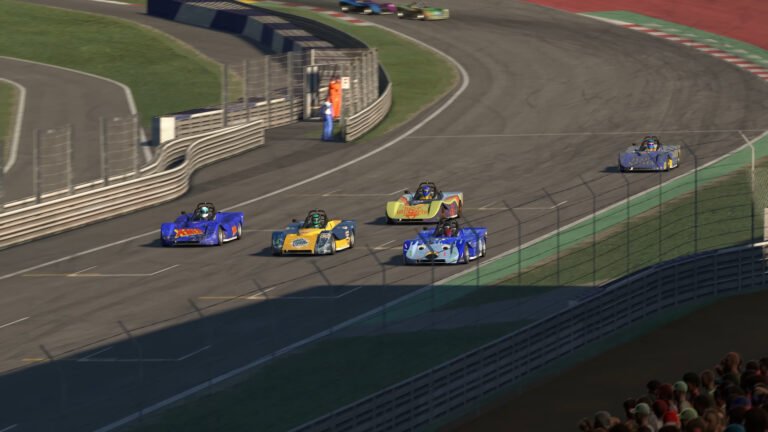
Starting near the front shrinks your exposure to lap-one chaos and puts you with drivers who are easier to read.
A two-lap routine that works
- Out-lap with a plan. Build tire temp progressively: short, firm brake applications; light steering inputs on the straights; and a confident final sector so the tires cross the line ready, not overheated.
- Flyer #1 = banker. Bank a legal lap you’d be happy to start with. If you invalidate Turn 1, you’ve just volunteered to fight through the mess.
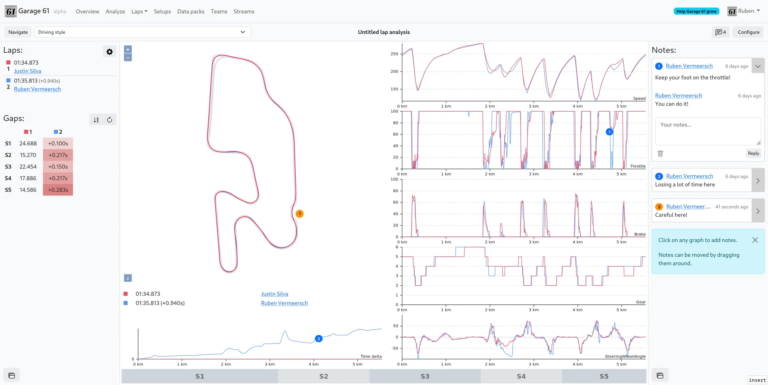
- Flyer #2 = targeted gains. Pick two corners where you left the most time and inch up your commitment there—not everywhere.
Micro-optimizations
- Match fuel to reality (if rules allow) so references carry into the race.
- Don’t chase purple sectors in the trickiest corners. Protect them; attack the safe gains.
Common errors to drop
- Over-sliding on the out-lap (cold tires mask it; hot tires punish it).
- “All or nothing” flyers that become nothing.
2) Safety Isn’t Passive—It’s an Active Racecraft Choice
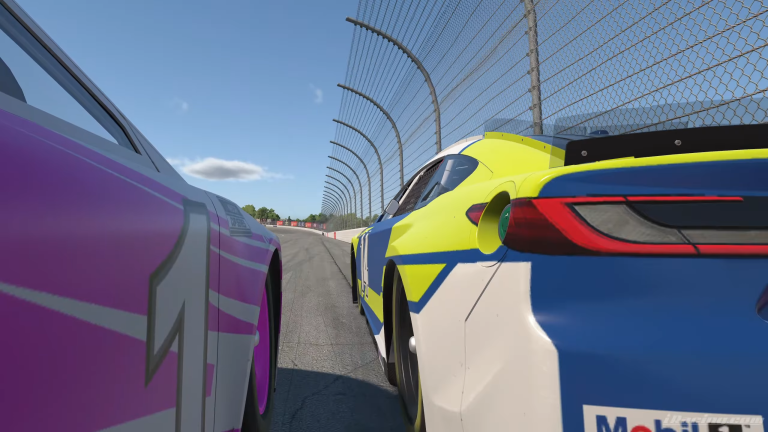
iRating rewards finishes. You’ll gain more over a month by staying clean and finishing P5 than by winning once and getting wiped twice.
Practical, not preachy
- Give space to chaos magnets. If someone telegraphs divebombs, let them go. They often self-penalize later.
- Choose fights that pay. If defending costs you 0.4s/lap and there’s a train behind you, you’re setting up a multi-car incident.
- Build exits, not blocks. Defend once; then prioritize the next corner’s exit. You’ll lose less time and keep options open.
Hardware note (optional)
- Stronger force feedback can help feel micro-slides early, making saves easier and reducing 0x->4x spirals. It won’t add pace by itself, but it can add survival.
3) Consistency > Hotlaps: Pace Over Distance Wins Points
Plenty of drivers can throw one rocket lap. iRating grows when your average laps get quicker and your worst laps get less bad.
How to train consistency
- Pick a safe delta band. If your optimal is 1:38.2, decide your race band is 1:38.7–1:39.2. Hold it like a metronome.
- Stint thinking. Practice 8–12 lap runs with a fuel load that matches the opening stint. Keep your tires alive; log laps that would actually count.
- Golden rule: If chasing someone pulls you out of your band, let them go and reset to your pace.
Telemetry without the PhD
- Track only three signals at first: brake max, brake release point, and minimum speed in two problem corners. Make those three repeatable before you chase anything else.
4) The Reset: Turn Brain Tilt Into a Non-Event
Most rating losses come from the laps after the incident.
A 20-second reset script
- Hands + breath: Deep inhale on the next straight, shake the hands once, lower the shoulders.
- Two corners at 90%. Re-establish your references and grip read before pushing again.
- Mute the noise. Voice chat off or mentally “park” any arguments until after the flag. You’ll win back more time by focusing than by being right on the radio.
Mantra that helps: “New lap, new race.” Score the remainder, not the what-ifs.
5) Practice With Purpose: Short, Focused, Weekly Cycles
Practice is where rating is earned—races just cash the check.
A simple weekly plan
- Day 1: Learn the line. 20–30 minutes: braking points, gears, curbs to avoid. No setup changes yet.
- Day 2: Make it repeatable. 30 minutes: run two stints of 8–10 laps within a chosen delta band. If you fall out of band twice in a stint, stop and diagnose.
- Day 3: Quali rehearsal. Do three full quali sequences (out-lap + two flyers). Keep only legal laps. Note what warmed the tires best.
- Day 4+: Race reps. If your average meets your target (see next tip), enter races. If not, keep practicing; racing isn’t practice.
Target-time sanity check
- Before you grid, know the lap time that makes you competitive for your split, not world-record fast. If you’re 1.5s off the pace you’ll fight cars, not lap times—bad for SR and IR.
6) Use Reference Cars and Data the Smart Way
Comparing to a reference—your best lap or a downloaded ghost—can shrink learning time.
Best practices
- Like-for-like conditions. Practice in the same weather/time settings as your race when possible so the ghost is relevant.
- One corner at a time. Watch where the reference brakes, where they release, and how much curb they take. Emulate one change per run.
- Spectate strategically. Observing a live race at your combo is a low-risk way to learn how the front runners manage traffic and tires.
7) Stack Sessions: More Reps, Less Downtime
When schedules are tight, plan your next race before you finish the current one so you can hop straight into qualifying without missing registration. Just keep time for an out-lap and at least one flyer—no point rushing into P15 with cold tires.
8) Manage Your Season Like a Portfolio
Don’t let one bad combo torch your month.
- Pick 2–3 “home” series. Build deep experience where racecraft carries week to week.
- Skip obvious traps. If a track/car combo is chaos for you, take the week off from officials and run time trials or hosted races.
- Accept P6s. A steady stream of clean top-six finishes outgains a win/loss rollercoaster.
9) The Mental Game: Race the Car, Not the Number
iRating reflects results, not identity. Treat it like a scoreboard, not a personality test.
- Set process goals (three legal quali attempts, one clean pass per stint, zero 1x off-tracks in S2) and let the number follow.
- Lower the pressure at the top of the sheet. Being car #2 often triggers “must podium” thinking. Reframe to: “Clean start, hit my delta band, take what comes.”
10) Quick-Start Checklists
Pre-quali (60 seconds)
- Tire warmup plan in mind
- Brake bias where you like it for a push lap
- Two corners targeted for improvement
- “Banker first, push second” reminder
Race start (30 seconds)
- Commit to a conservative T1/T2
- Decide in advance: defend once, then prioritize exit
- Identify two likely chaos zones and plan escape lines
Mid-race reset (20 seconds)
- Breath + shoulders down
- Two corners at 90%
- Back to the delta band
11) Track Your Gains (Tiny Spreadsheet, Big Impact)
Make a one-pager with columns: Combo • Best Legal Quali • Avg Stint Pace • Variance (+/–) • Off-track Count • Finish • Notes. Log each race. You’ll spot patterns in a week: where you fade, which corners hemorrhage incidents, which quali routines work. Fix patterns, not one-offs.
12) Gear Isn’t Everything—But…
Upgrades don’t replace practice, yet anything that improves feel (clearer pedal modulation, more informative FFB) can raise consistency and reduce unforced errors. Prioritize pedal control first, then fine-tune FFB to tell you about grip loss early.
Sample One-Week IR Plan (Copy/Paste)
- Mon: Learn the line (30 min), save two legal laps.
- Tue: Two race-stints in practice; hit delta band within 0.5s.
- Wed: Three quali sequences; record tire warmup notes.
- Thu–Sun: 3–6 official races only if your average pace meets your target; otherwise keep practicing and enter time trials.
Most iRating jumps come from fewer unforced errors, smarter fights, and repeatable preparation—not from last-lap heroics. Drive a little cleaner than you think you need to, qualify with a plan, protect your delta band, and treat every incident as a cue to reset, not to rage. Do that for a month, and the number tends to move.