The Ray FF1600 iRacing guide explores more than just a car; it analyzes a masterclass in momentum. Most modern racers rely on massive downforce to stick to the track. In contrast, the FF1600 offers a “pure” racing experience. This machine forces you to go back to the basics of physics. To be fast, you must master mechanical grip and weight transfer. This comprehensive guide covers everything you need to know about the digital Ray FF1600.
Handling Philosophy: Why Momentum is King
The first thing you will notice in this Ray FF1600 iRacing guide is the lack of wings. Without aerodynamic downforce, your cornering speed depends entirely on your tires. This makes the car feel “twitchy” during corner entry. The short wheelbase contributes to this sensitive feeling. However, you should not fear this rotation. In fact, you must learn to use it to your advantage.
The secret to a fast lap involves “lift-off oversteer.” By lifting the throttle slightly during turn-in, you shift the weight to the front wheels. This creates a natural rotation that points the nose toward the apex. If you fight this movement, you will be slow. Instead, guide the car through the corner with subtle inputs. The Ray rewards drivers who “dance” with the chassis rather than manhandling it.
Mastering the H-Pattern Challenge
A vital part of any Ray FF1600 iRacing guide is the transmission. The Ray uses a 4-speed manual H-pattern gearbox. In a world of paddle shifters, this requires a rhythmic approach. iRacing’s modern simulation allows for clutchless upshifts if you lift the throttle briefly. However, downshifting is a much more difficult task.
You must use precise heel-toe blipping during downshifts. If you do not match the engine revs, the rear wheels will lock up. This usually results in an immediate spin. Mastering the timing of your feet is just as important as your steering. Consistent shifting keeps the car stable during heavy braking zones. It also ensures you are in the right power band for every corner exit.
Technical Specifications and Chassis Design
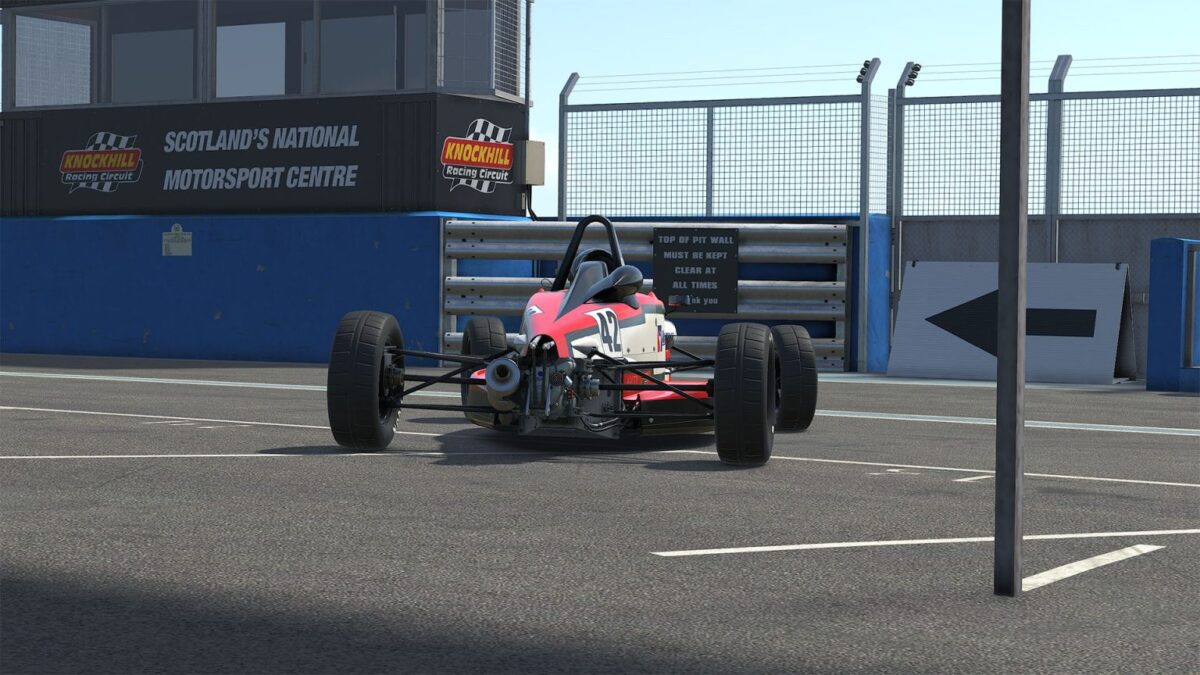
The Ray FF1600 features a tubular space-frame chassis. This design is lightweight and provides excellent feedback to the driver. Understanding the specs helps you realize why the car behaves the way it does:
- Engine: 1.6L Ford Kent Inline-4
- Horsepower: Approximately 110 HP
- Weight: 400kg (Dry)
- Tires: Treaded Avon Racing Slicks
The treaded tires are a unique feature of the Formula Ford. Unlike racing slicks, these tires have a wider “slip angle” range. This means you can slide the car significantly without losing control. Finding the edge of that slide is the key to the Ray FF1600 iRacing guide speed secrets. You are looking for a gentle four-wheel drift through high-speed sections.
Cockpit Layout and Driver Feedback
The cockpit of the Ray is utilitarian. You have a tachometer, oil pressure gauge, and water temperature gauge. There are no digital displays or shift lights to assist you. You must rely on the sound of the Ford Kent engine to know when to shift. Most drivers find the sweet spot for upshifts just before the rev limiter kicks in. Pay close attention to the vibrations in your force feedback. The Ray communicates its grip levels very clearly through the steering rack.
To conclude this Ray FF1600 iRacing guide, remember that smoothness equals speed. Avoid jerky steering movements or sudden throttle stabs. Treat the car with finesse. Focus on your entry lines to maximize your exit momentum. Once you master the Ray FF1600, you will have the skills to drive almost anything on the service. It is the ultimate teacher for any serious sim racer.