





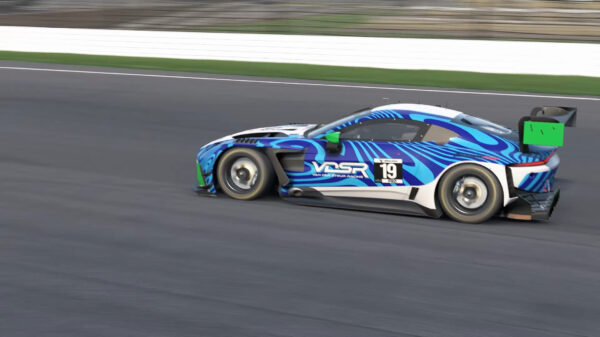
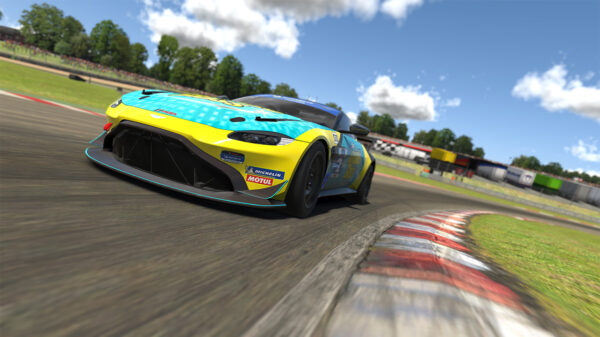

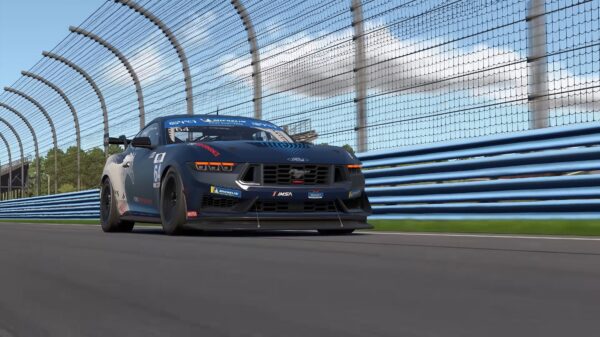







iRacing’s Season 4 update introduced a revised tire model for the GT4 class, and it’s proven to be one of the most impactful changes of the season. Drivers across multiple platforms have noticed a distinct shift in how the cars behave — particularly with tire temperature buildup, wear, and grip consistency over long runs.
If you’ve jumped into a GT4 car recently and found yourself sliding more than usual, you’re not alone. The new model demands a slightly different driving approach, especially early in a stint and during endurance events like the Michelin Pilot Challenge races.
Colder Starts, Slower Warm-Up
The most immediate change is how difficult it is to generate tire temperature. GT4 cars now take longer to reach optimal grip levels, and drivers must be careful not to over-push before the tires come alive.
In the past, GT4 tires came up to temperature within a lap or two. Now, the first two to three laps can feel icy, especially on cooler track conditions. Wheelspin, light understeer, and unpredictable corner exits are all common symptoms of tires that haven’t yet built up heat.
To mitigate this, many teams and drivers are focusing on formation-lap preparation:
- Brake dragging: Apply light brake pressure while accelerating to build heat into both tires and brakes.
- Steering load: Gently weave or apply cornering force to scrub the surface layer.
- Throttle modulation: Balance acceleration and braking inputs to maintain tire surface friction without overheating.
Even with good technique, GT4s under this model will never heat as quickly as GT3s. Patience on the opening laps is now a critical skill.
Tire Wear and Pit Strategy
The updated tire model also changes how wear is distributed and how pit strategy should be approached in endurance formats.
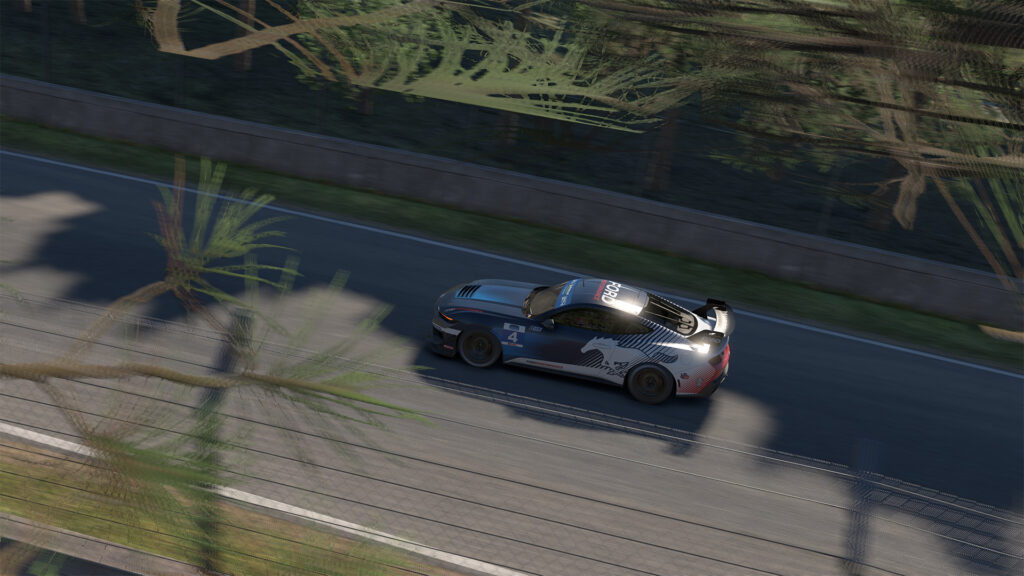
Front-engine GT4s like the Mercedes-AMG GT4 and Ford Mustang GT4 tend to generate more front-end heat and wear, particularly on high-load tracks such as Road Atlanta or Watkins Glen. In contrast, mid-engine cars like the McLaren 570S GT4 spread the load more evenly but struggle to warm up on cooler days.
For a two-hour endurance race, a strong baseline strategy is:
- First Stop: Replace all four tires when taking a full fuel load.
- Second Stop: Replace only the front tires if needed, depending on wear and balance.
Because refueling often takes longer than tire changes in GT4 cars, swapping two tires (or even four) can typically be done without adding any extra pit time. In shorter final stints, skipping tires entirely and taking only a splash of fuel is usually the faster option.
Car Behavior and Driving Adjustments
Each GT4 car reacts differently under the new tire model, and learning those differences is essential:
- Front-Engine Cars (AMG, Mustang): Fronts heat quickly and wear more aggressively. Focus on managing front-left load through longer corners and avoid overdriving the entry phase.
- Mid-Engine Cars (McLaren, Porsche): Slower to heat up but more balanced once up to temp. Gentle throttle application and smooth trail braking help keep the tires consistent.
- Rear-Engine or Heavy Cars (Aston Martin, BMW): Slightly more stable in longer stints but can develop rear instability as fuel burns off.
Because heat builds more gradually, drivers must think ahead — braking earlier, cornering smoother, and building rhythm instead of aggression. A rushed warm-up now punishes you with sliding and excessive wear for the rest of the run.
The Bigger Picture
The goal of the new GT4 tire model is realism. iRacing’s engineers aimed to better simulate the endurance-focused compound used in real GT4 racing — a tire designed to last multiple stints while staying consistent over time rather than peaking early.
While this change initially frustrates some drivers, it’s part of iRacing’s ongoing push for deeper authenticity. The revised model rewards discipline, planning, and patience — hallmarks of real-world GT racing.
If you adapt your setup and race craft around the new behavior, the reward is a car that remains consistent and predictable over long runs. For drivers who thrive in endurance formats, this version of GT4 racing may be the most satisfying yet.