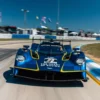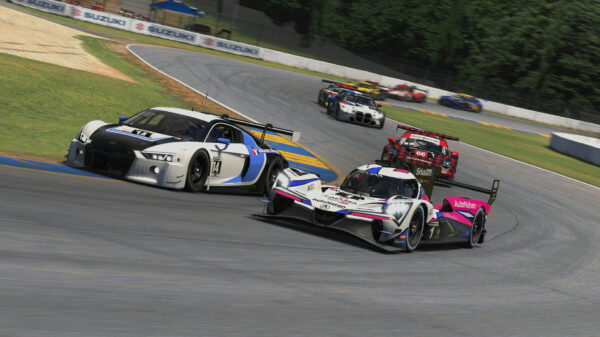
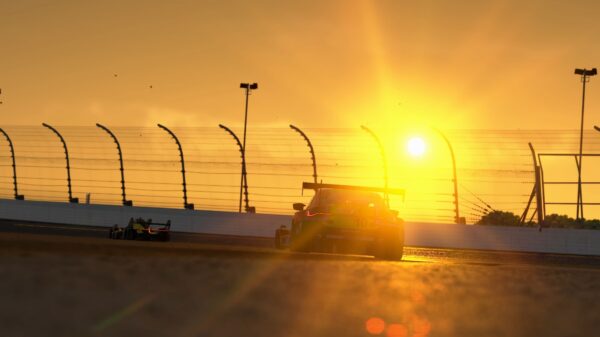
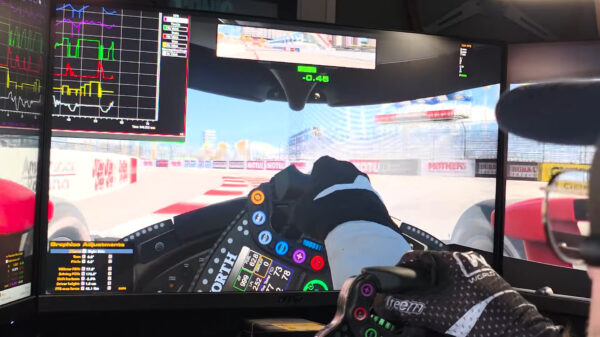
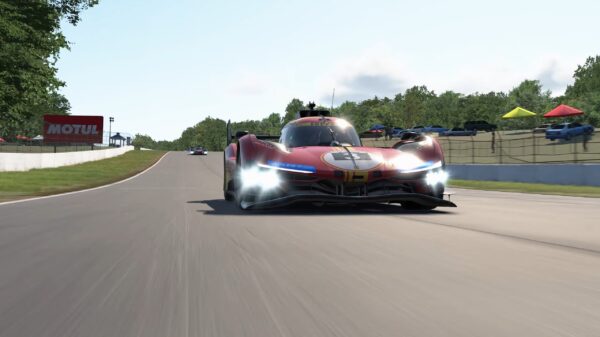

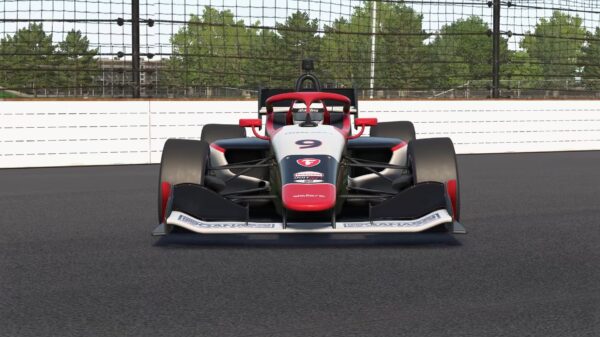
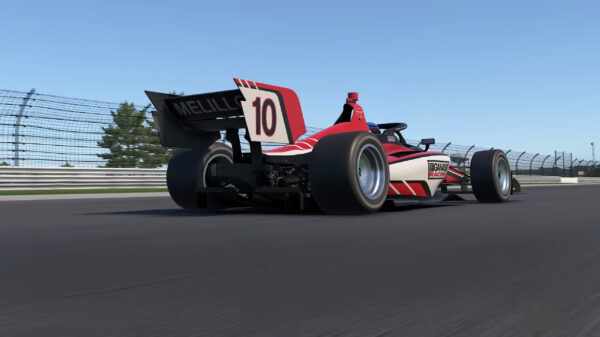
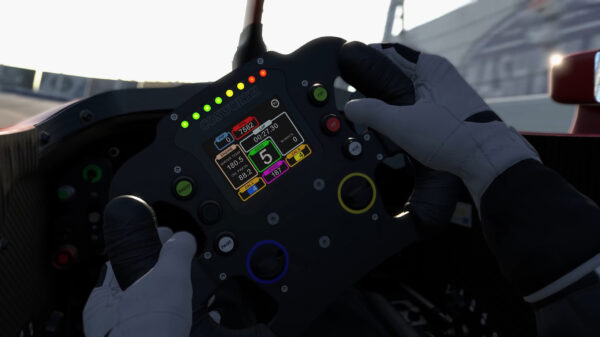
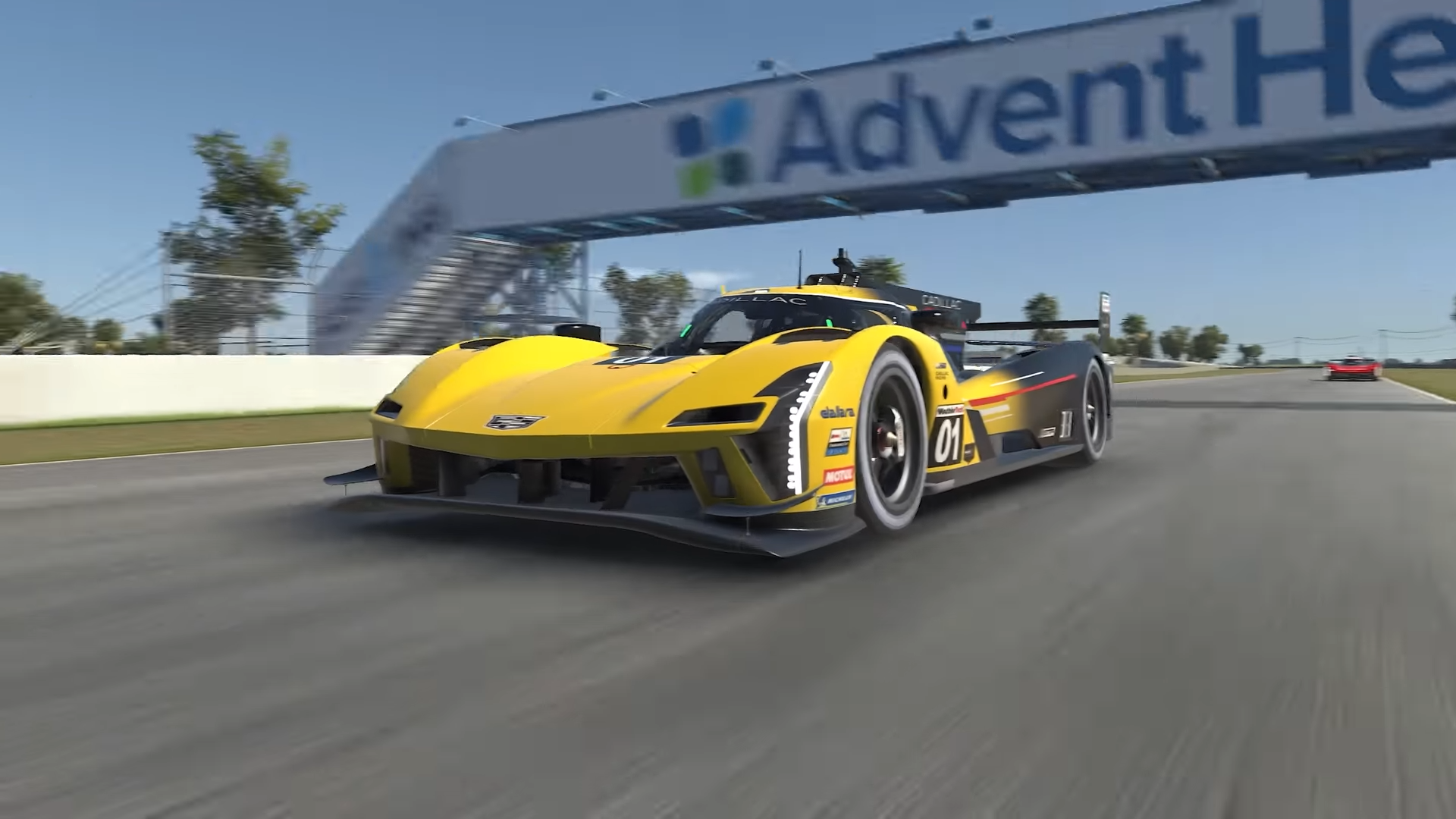
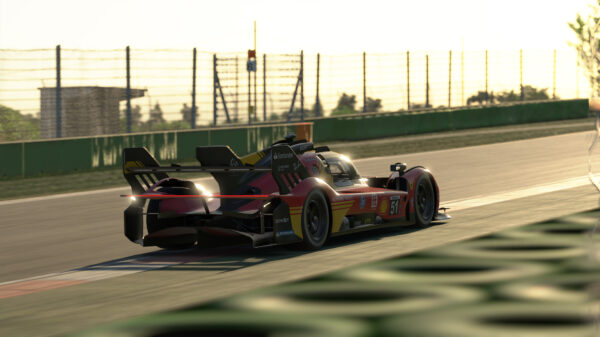
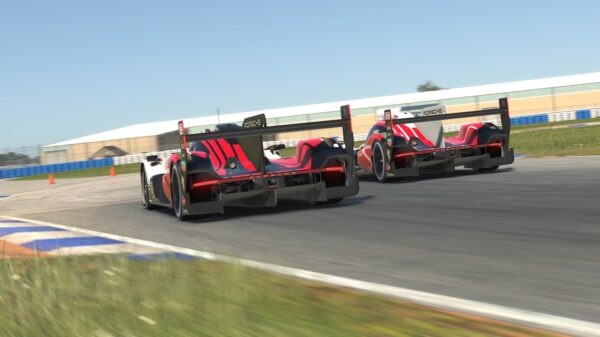
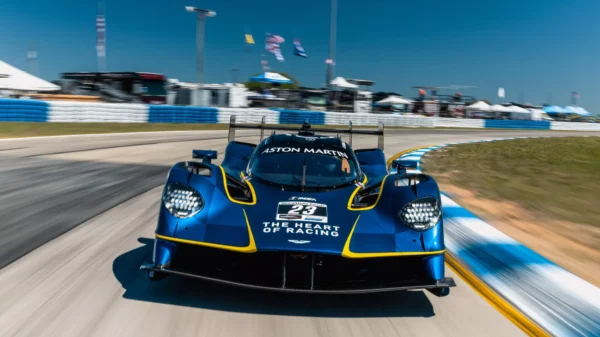
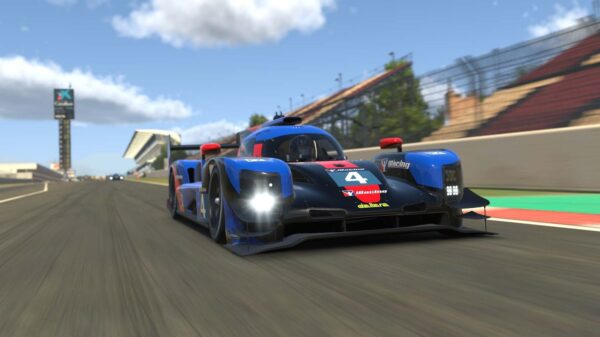
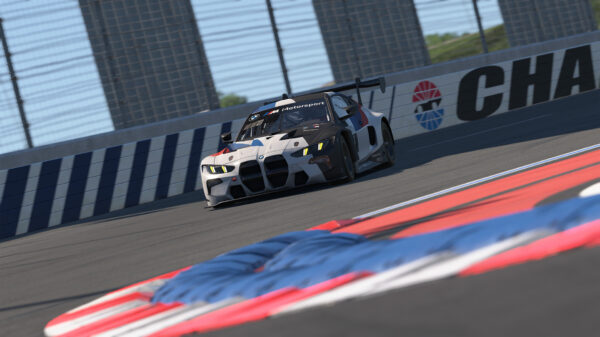
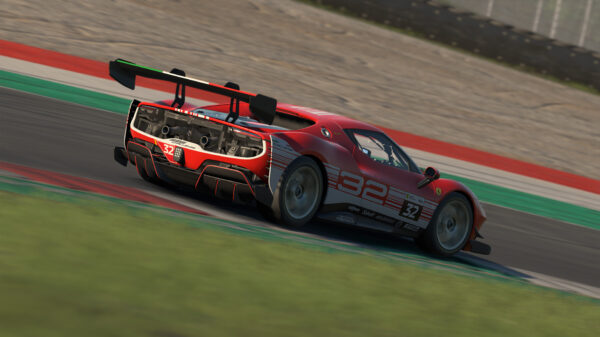
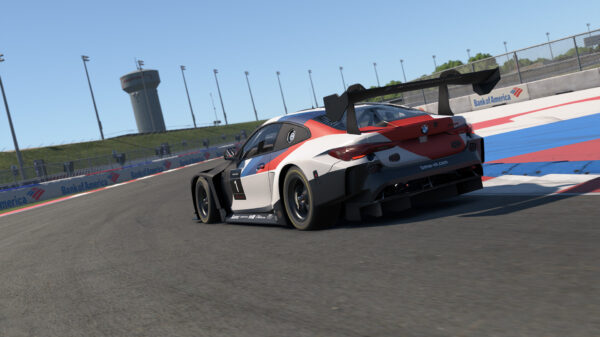
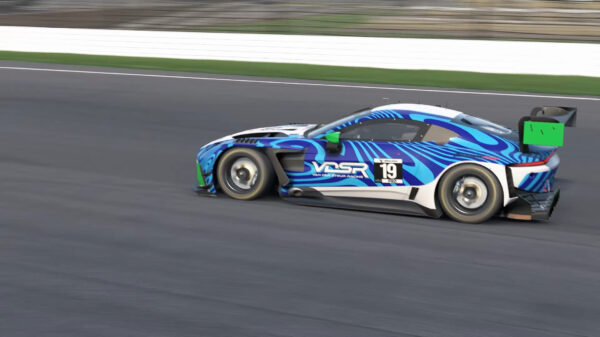

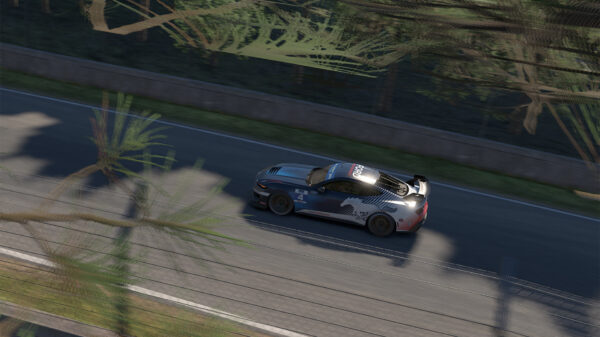
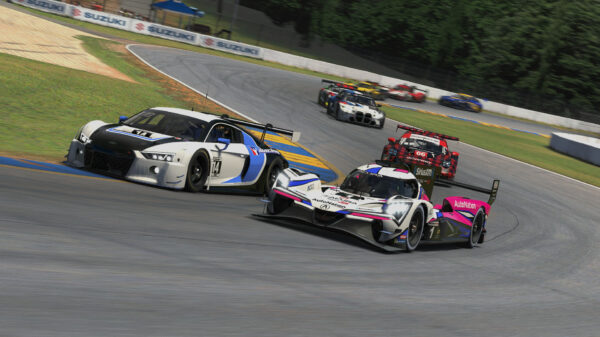

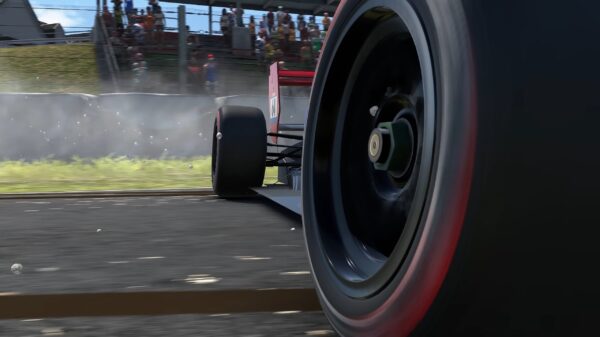
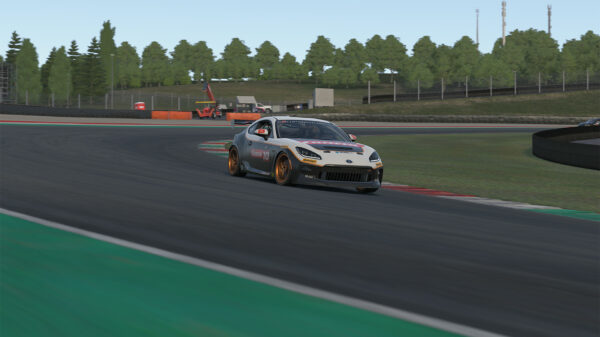

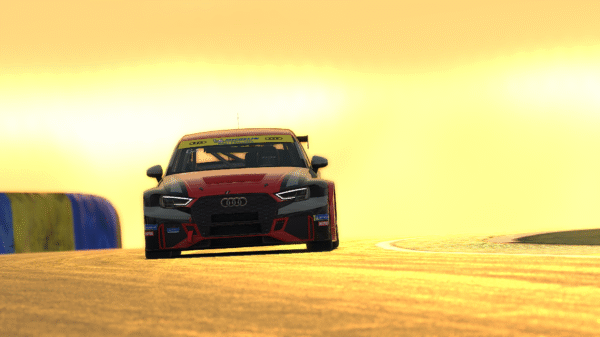
The ongoing development of the iRacing GTP tire model continues to stir discussion after BMW factory driver Sheldon van der Linde described the current version as “floaty—like driving on rain tyres in the dry.”
His comparison highlights how far iRacing’s prototype tire physics have come—and how far they still need to go. The latest update improved cold-tyre realism but left some racers wanting better grip progression, load feedback, and mechanical feel once the tires reach operating temperature.
For context, iRacing has confirmed that the current iteration is not final—it’s a transitional step to bring lap times in line with real-world data while the full v10 iRacing GTP tire model is still in development.
Also See:
➡️GTP Hybrid Project
Why the iRacing GTP Tire Model Feels “Floaty”
- Reduced bite at the limit: Drivers note less buildup before a slide and weaker recovery once rotation starts.
- Cold tyres good, hot tyres vague: Temperature progression feels realistic early, but feedback dulls at speed.
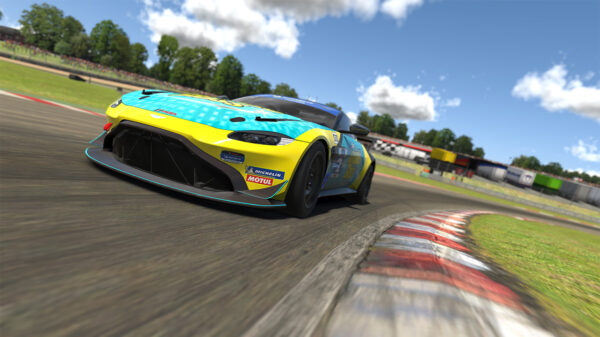
- Better in GTs: GT3 and GT4 classes reportedly feel much closer to real life, implying the main issue lies within the GTP tire model itself.

Realism vs. Feel — The Debate Continues
- Realism-first crowd:
Supporters argue that old GTPs cornered like LMP1s. The updated iRacing GTP tire model delivers accurate lap times and authentic cold-tyre risk, even if “feel” still lags behind. - Feedback-focused drivers:
Many racers want improved slip-angle feedback and progressive lateral load, especially through the default FFB pipeline. - Fun-first racers:
Others miss the grippier pre-update version, saying realism is great—but only if it remains rewarding and engaging to drive.
Constructive Ideas for the Next iRacing GTP Tire Model
- Combine feedback from multiple IMSA and WEC GTP drivers to triangulate real-world grip characteristics.
- Increase transparency about target slip angles and thermal windows so racers know what “realistic” should feel like.
- Fine-tune FFB output to better communicate carcass load and traction loss.
- Keep authentic cold-tyre danger but refine grip ramp-up and post-overheat recovery.
- Ensure class parity—if GT3/GT4 tires feel correct, align GTP progression to that baseline.
Tips for Driving GTPs Effectively
- Enable advanced wheel effects (LFE / TrueForce) for more tactile limit cues.
- Gradually bring tires up to temp—don’t slide early.
- Brake with progressive pressure to stabilize the aero platform.
- Cross-test against GT3 cars to isolate FFB tuning issues from tire physics perception.
The Road Ahead for iRacing’s GTP Tire Model
The prototypes’ lap times are now accurate, but their tactile “conversation” still needs polish. If the next iRacing GTP tire model update restores progressive feedback while maintaining realism, it could mark the most complete prototype experience in sim racing.
For now, both real-world and sim drivers are united in one thing: iRacing’s tire physics are improving steadily, and open feedback from experienced racers like van der Linde can only accelerate that progress.the signals a top-tier sim should fold into its next iteration.