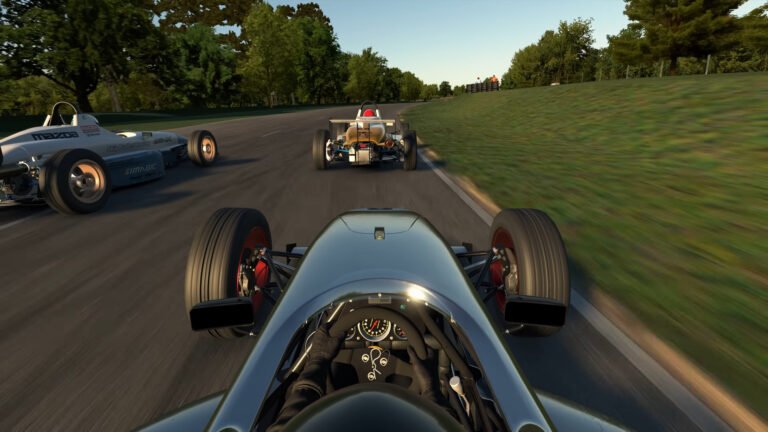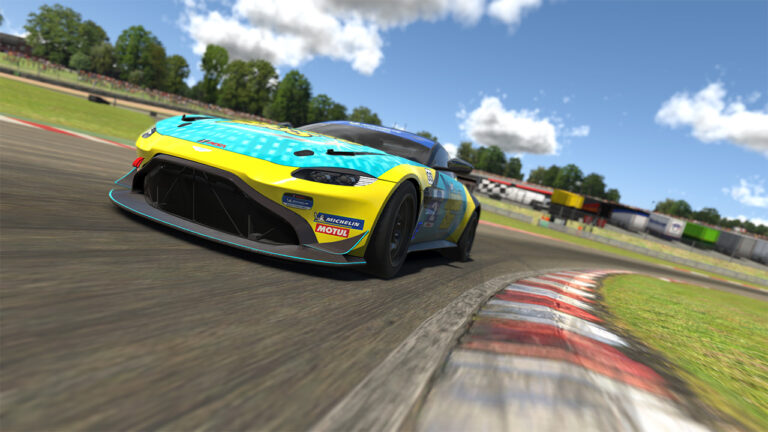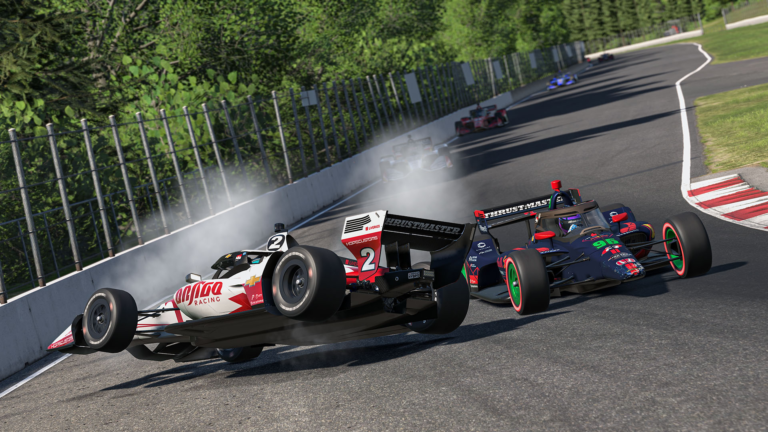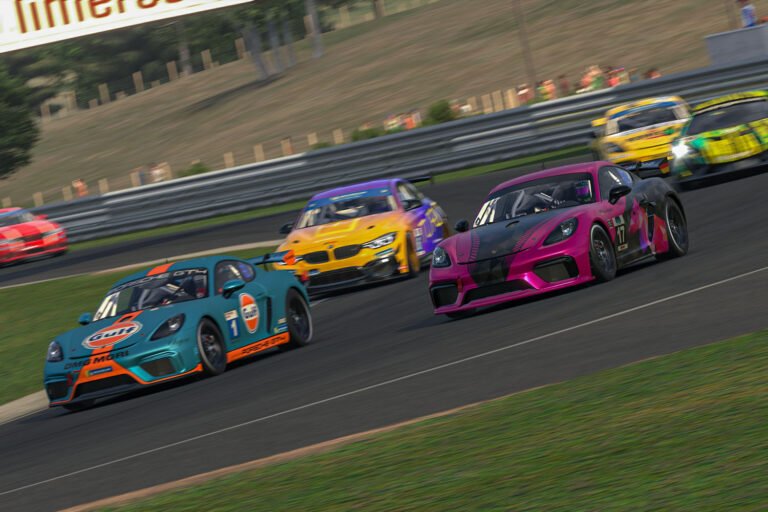
Not everyone in the iRacing community is looking forward to Spark. Browse any forum thread on the topic and you will find the same concerns: iRacing has been talking about this for years, will it actually help frame rates, and is a graphics overhaul really the priority the sim needs right now?
These concerns are understandable. But they are largely based on a misread of what Spark actually is. This is not a cosmetic upgrade bolted onto the same old architecture. The changes underneath the visual layer are the ones that matter most for day-to-day performance, and the FPS concerns point to exactly the problem Spark is designed to fix.
The Concerns Are Real
Three threads show up consistently in community discussions about Spark.
The first is frame rate. iRacing has a well-documented single-threaded bottleneck. In busy race situations, one CPU core saturates while the rest sit idle. The GPU is often barely loaded. Drivers running high-end rigs with RTX 5090s still drop frames in these scenarios because the bottleneck is not the GPU. Community members have accepted mirror limits, reduced settings, or persistent frame drops because no hardware upgrade fixes a single-threaded ceiling. The concern is that a full graphics overhaul could make this worse.
The second concern is priority. Some drivers would rather see better AI, more cars, pit crew animations, or continued physics development before a visual upgrade. The current graphics look serviceable, and if Spark delays features that matter more to competitive racing, the trade-off does not seem worth it.
The third is timeline. iRacing has discussed Spark publicly for a couple of years. Development updates have been steady but the delivery date remains open. Community memory is long, and there is a fair amount of “I will believe it when I see it” in the discourse.
The Multi-Threading Case Changes the FPS Calculation
The most important thing to understand about Spark is that the performance improvements are structural, not cosmetic. The current iRacing engine was built when single-threaded performance was the standard. The GPU gets its commands from one CPU thread, which means only one core matters at any given moment. Modern processors have 12, 16, or more cores. Most of them contribute nothing to your iRacing session.
Spark moves to a multi-threaded architecture. Multiple CPU cores can submit draw commands to the GPU at the same time. The bottleneck that causes frame drops at race starts is not the GPU struggling. It is one CPU thread hitting its ceiling. Multi-threading distributes that work across the cores you already have.
For VR users specifically, this is the change they have been waiting for. VR demands consistent high frame rates, and the single-threaded bottleneck is the primary reason even expensive hardware struggles to hold 90fps under load. One commenter summarized it clearly: “My GPU is asleep at the wheel. This update should be amazing for VR.” Another noted they had tried everything to get stable 90fps and were hoping Spark would finally close the gap without another $2,000 hardware investment.
The concern about FPS is real. The multi-threaded architecture addresses the exact cause of that concern.
VR Gets Its Own Targeted Improvement
Spark also includes foveated rendering with eye tracking. The system detects where the driver is looking and concentrates maximum visual quality in that region, reducing detail in the periphery. This is one of the most effective performance optimizations available in VR: full quality where it matters, efficiency everywhere else.
For flat-screen drivers this is academic. For VR drivers, this changes how the performance budget gets spent. The current VR experience requires sacrificing visual quality across the entire scene to stay above the frame rate threshold. Foveated rendering breaks that trade-off. High-end headset users who currently run reduced settings to maintain frame rates will be the first to notice the improvement.
Physics Development Is a Parallel Track
The argument that iRacing should prioritize physics or content over graphics makes a surface-level point. But the physics work is happening at the same time. iRacing has separated its development into two tracks running in parallel: the new graphics engine and a long-term physics transformation program.
The physics track includes next-generation tire models, enhanced force feedback, advanced aero modeling, and its own multi-threaded architecture. iRacing Executive Producer Greg Hill confirmed in March 2026 that these workstreams are independent. Spark development does not pull resources from the physics pipeline.
The audio system also improved during Spark’s development cycle. The core audio engine’s computing load was cut by more than 50%. That freed overhead is now going toward spatial reverb: accurate sound reflections based on the actual environment around the car. Street circuits will sound like street circuits. This was not a planned audio project. It was a side effect of the efficiency work Spark introduced.
What Spark Actually Delivers
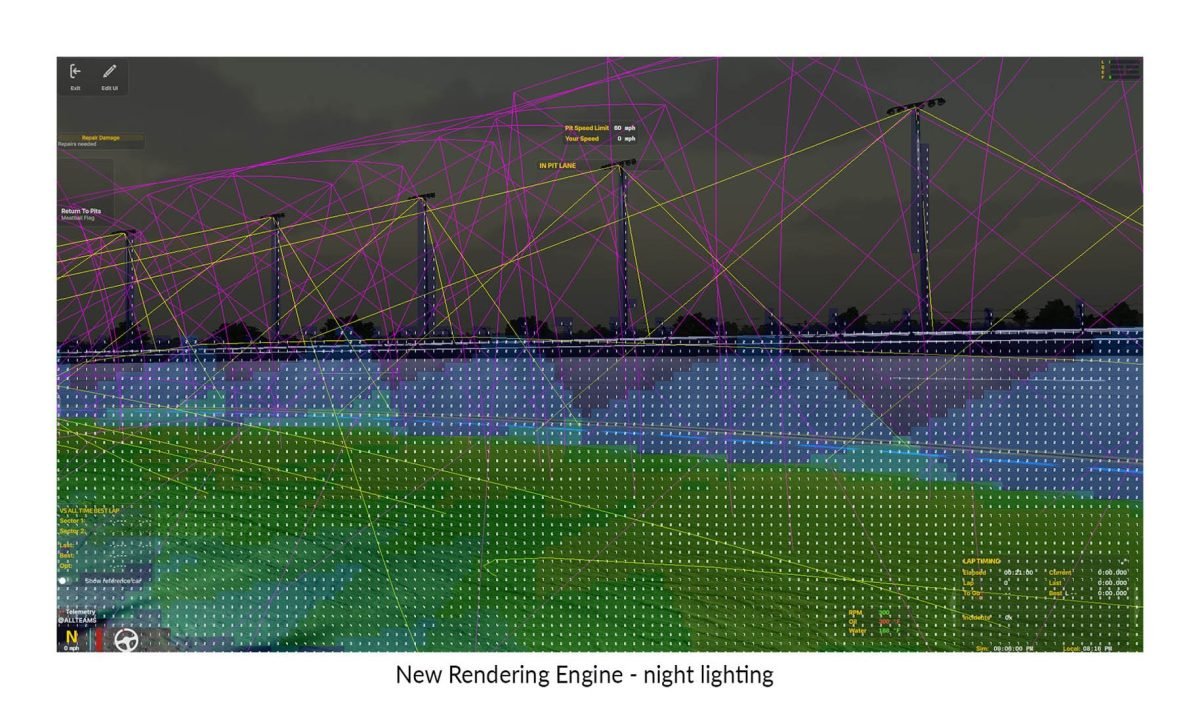
Based on official development updates through May 2026, the confirmed Spark improvements include night lighting described by iRacing as “transformative,” vegetation that integrates with the global lighting system instead of existing as graphical dressing, car animations showing more realistic body movement and suspension travel under load, multi-threaded rendering using modern CPU architecture, foveated rendering for VR headsets, audio improvements from freed computing overhead, and a phased rollout expected to deliver first user-facing benefits in Season 3 or Season 4 of 2026.
The vertical slice milestone is complete. Phase 1 architecture neared completion as of May 2026. A full migration timeline has not been given, but phased delivery means improvements arrive incrementally rather than all at once. For a full breakdown of where development stands, see iRacing’s New Graphics Engine ‘Spark’ Is On Schedule and iRacing’s Spark Engine Explained: What It Is and What It Will Change.
The Performance Case for Skeptics
If the concern is “Spark is a graphics update I do not need,” the multi-threading story is worth revisiting. The performance benefit is not contingent on turning up visual settings. The same architectural change that enables better night lighting also distributes CPU load across multiple cores. A driver who runs iRacing at minimum graphics settings to maximize FPS will benefit from Spark’s architecture whether they care about lighting effects or not.
The timeline concerns are fair. But progress is confirmed and the phased delivery approach means something real could land before end of 2026.
Spark is not arriving because iRacing decided looks matter more than performance. It is arriving because the current engine hit its ceiling, and the replacement solves problems that no amount of hardware upgrade can fix. The community members who are least excited about better graphics are, in most cases, the ones who stand to benefit most from the architecture underneath them.