The first month of iRacing is rough for almost everyone. You are paying a subscription fee, learning to drive cars that behave nothing like anything in other games, getting wrecked in rookie lobbies by people who clearly do not care about their license, and wondering why you spent $10 on a car that felt identical to the free one. That is a standard experience. What happens next is what most people miss.
iRacing does get better. Not automatically, and not on a fixed timeline, but the experience improves meaningfully as you progress. The reasons it improves are specific and repeatable.
Also See
➡️ How to Get Out of Rookies (Without Cheating Yourself)
➡️ Is iRacing Beginner Friendly?
The Lobby Quality Problem in Rookies
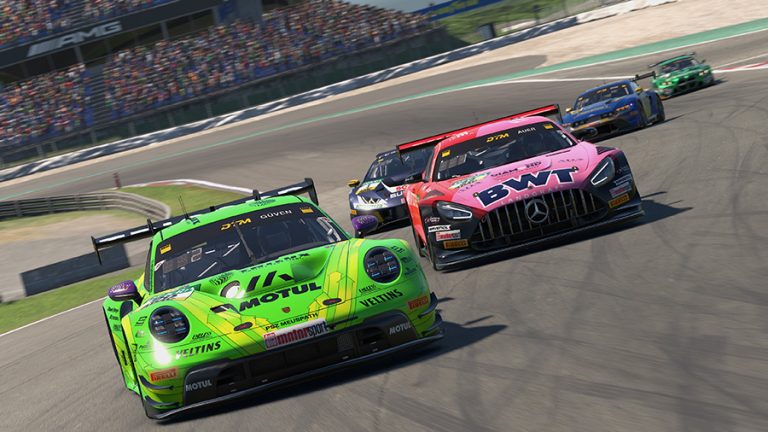
The first thing that gets better is the driving standard around you. Rookie lobbies carry no real consequences. A driver can wreck out, post a terrible safety rating, and rejoin the queue within minutes. The result is a mix of genuinely new drivers, frustrated veterans tanking their license on purpose, and people who simply do not care. It is the worst version of iRacing you will ever experience.
Once you advance past rookie into D class, the makeup of your lobbies shifts. D class still has incidents, but drivers who earned their way there have at least demonstrated a basic ability to complete laps. The split system also starts to matter more at D class and above, meaning faster drivers are typically in higher-split races rather than scattered randomly through the field.
By the time you reach C class, clean-race bonuses are achievable most weekends if you drive with reasonable situational awareness. The driving standard is night and day compared to where you started.
The Cost Problem Resolves Over Time
The other major early frustration is the cost. iRacing charges a subscription and sells individual cars and tracks separately. For a new driver who buys a few cars up front and rarely races them, it feels like money wasted.
What most drivers find after a few months is that the cost equation shifts. You identify one or two series you genuinely enjoy, buy the cars and tracks you need for those, and stop thinking about everything else. The subscription pays for itself if you race consistently. The content cost is real, but it becomes manageable once you have a focused plan instead of browsing and buying things to explore.
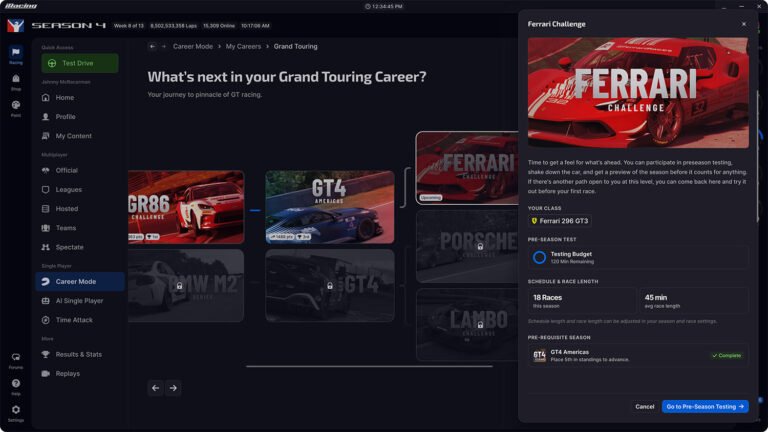
The season structure helps here. iRacing runs on 12-week seasons with a fixed schedule, so you always know which tracks are coming up. Planning your purchases around a season you want to compete in fully is much more cost-efficient than buying without a target.
When iRacing Actually Clicks
Most drivers describe a specific moment when the experience shifts from frustrating to genuinely compelling. For many people it happens between three and six months in, usually tied to one specific event.
The most common trigger is finding your series. Not just any series you can enter, but a specific car and track combination that suits your driving style and that you want to spend time improving in. Once you have that, iRacing starts to feel like a game with goals instead of a subscription with a steep learning curve.
The second trigger is getting competitive. Finishing in the top half of a clean race, earning an iRating gain in a session where you raced well, chasing down a driver who had been faster all session. These moments change your relationship with the sim. Now you are measuring real improvement rather than just surviving.
What Does Not Get Better on Its Own
iRacing does not do much to teach you how to drive fast. It gives you the environment, but not the instruction. If you are stuck at the same pace after months of racing, the simulator is not going to coach you out of it. You need telemetry, comparison data, community advice, or deliberate practice to improve.
The drivers who get the most out of iRacing treat it partly as a data problem. Use the replays. Watch faster drivers in the same car. Ask questions in series-specific subreddits or Discord servers. That investment compounds quickly and is the difference between drivers who plateau and drivers who keep improving.
The Honest Answer
Yes, iRacing gets better. The lobby quality improves as you advance through license classes. The cost becomes more predictable once you find your series. The racing gets cleaner and more competitive. The community around specific cars and tracks is genuinely engaged and worth being part of.
The early months are the steepest part of the curve. Most of what you are struggling with right now either gets resolved by progression or becomes significantly easier once you know where you want to race and what you are trying to improve.