If you’ve ever wondered how iRacing Safety Rating works, you’re not alone. Many drivers feel punished for other people’s mistakes, but once you understand what SR measures—and what it ignores—the system starts to make sense.
Safety Rating is less about blame and more about your ability to avoid risky moments on track.
Why iRacing Uses a No-Fault Safety System
In live online races, judging who caused a crash would slow everything down. Instead, iRacing’s Safety Rating system measures exposure to danger.
Every time you leave the racing surface, lose control, or make contact, the game records an “incident.” It doesn’t assign blame; it simply tracks how often you’re near trouble.
That design gives every driver one clear focus—stay predictable and avoid chaos. The safest, most aware racers consistently rise through the license ladder.
👉 Official reference: Safety Ratings – A Cure for the Mayhem in Online Racing
How iRacing Safety Rating Actually Moves
Each session has a total number of corners and an incident total.
- Clean corners raise your SR.
- Incidents lower it.
Longer races move SR more because they include thousands of corners. That’s why endurance events can boost (or tank) your rating faster than sprints.
When you earn a promotion, your SR resets around 3.0 – 3.5 in the next license class. This raises expectations and rewards consistent, safe driving.

What the Numbers and Incidents Mean
| Incident Type | Points | Description |
|---|---|---|
| 1x | Minor off-track | Touching grass or curbing |
| 2x | Loss of control | Spins or half-spins |
| 4x | Contact | Colliding with another car |
Multiple hits can stack. The key to improving SR is reducing exposure—back off early in chaotic starts, give space in blind corners, and predict mistakes before they happen.
Mid-Season Promotion Strategies That Work
Climbing to your next license level comes down to consistency.
Here’s how to accelerate it:
- Run longer races. More clean corners mean faster SR gains.
- Pick clean series. Fixed-setup or endurance events reduce chaos.
- Target calm tracks. Circuits with open sightlines and safe re-joins help you stay clean.
- Drive at 95%. Slightly slower is often much safer—and faster in the long run.
One zero-incident endurance race can raise your SR more than five messy sprints.
Managing Formation Laps and Restarts
Formation laps can be silent SR killers.
- Leave a small gap before moving.
- Accelerate smoothly and avoid brake checks.
- Stagger slightly for visibility.
On restarts, anticipate when the leader will go and stay clear of last-second bumping. The goal: reach Turn 1 with space, not side-by-side panic.
Using Replays to Learn How iRacing Safety Rating Works
Your best coaching tool is already built in. After each race, re-watch:
- The start.
- The lap where you got your biggest incident.
Ask yourself: Could I have seen that coming? Did I have a safer option? Where could I have left more space?
This five-minute review habit cuts your incident rate almost immediately.
Are GT3s Worth the Grind?
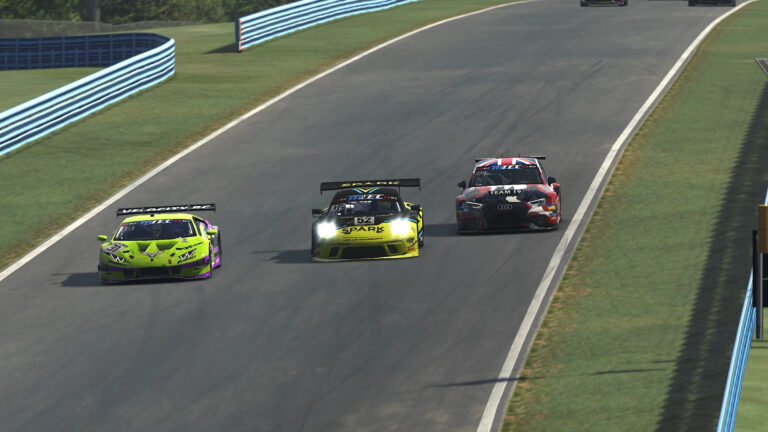
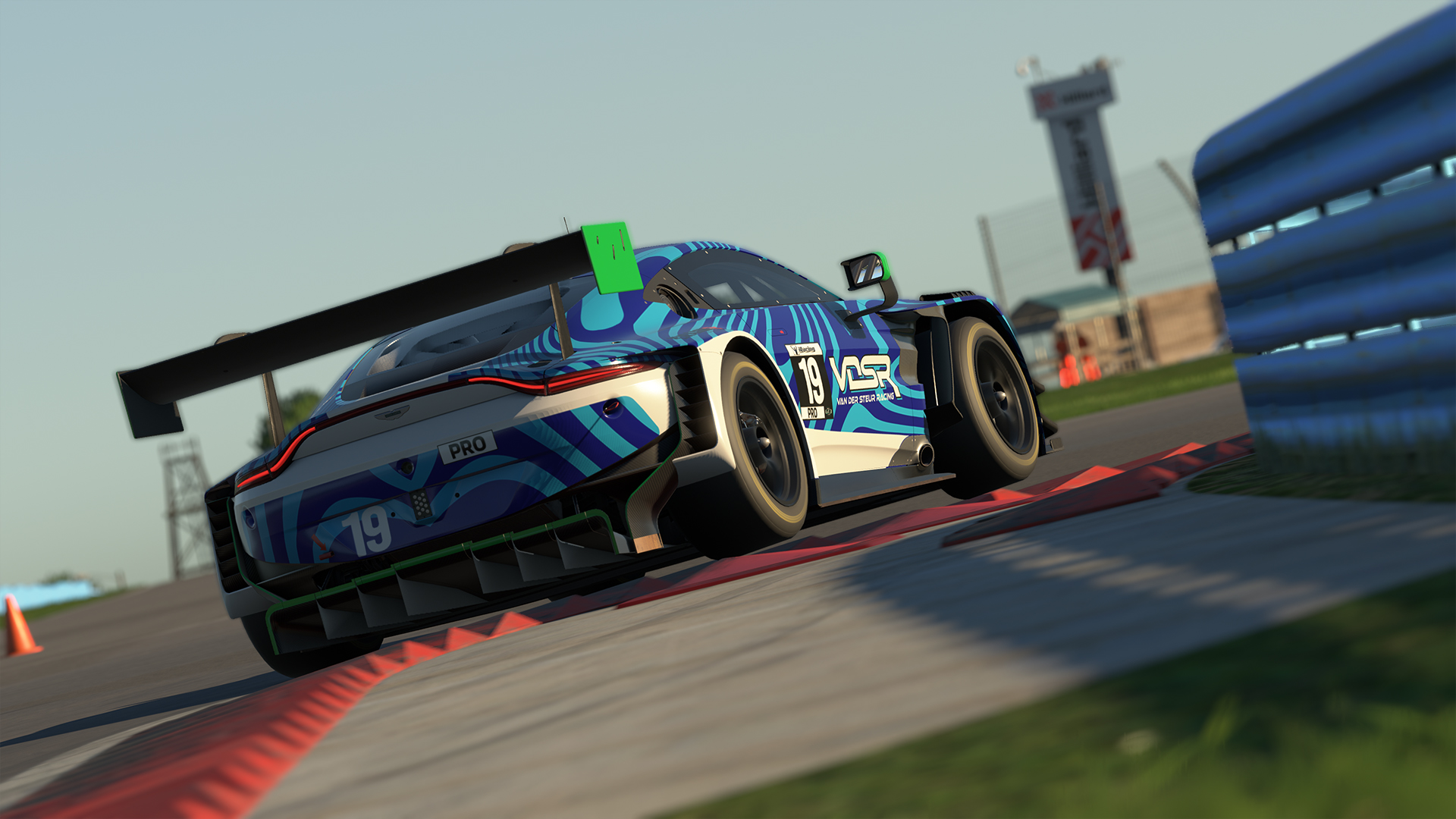
GT3 cars are the end-goal for many drivers working on their iRacing Safety Rating. They’re forgiving, fast, and attract big fields—but also big chaos.
Use all your SR discipline: brake early, let the first-lap carnage unfold, and pick off positions later. Once the field spreads out, GT3 racing becomes some of the most rewarding on the service.
Understanding how iRacing Safety Rating works changes everything.
It’s not punishing you—it’s teaching you awareness.
Avoid the chaos, finish clean, and you’ll see your SR climb naturally. The best drivers aren’t just fast; they’re safe, consistent, and always finish with a 0x beside their name.