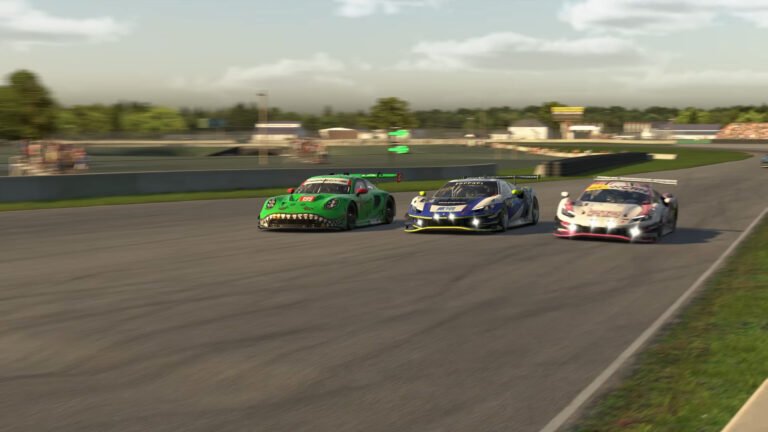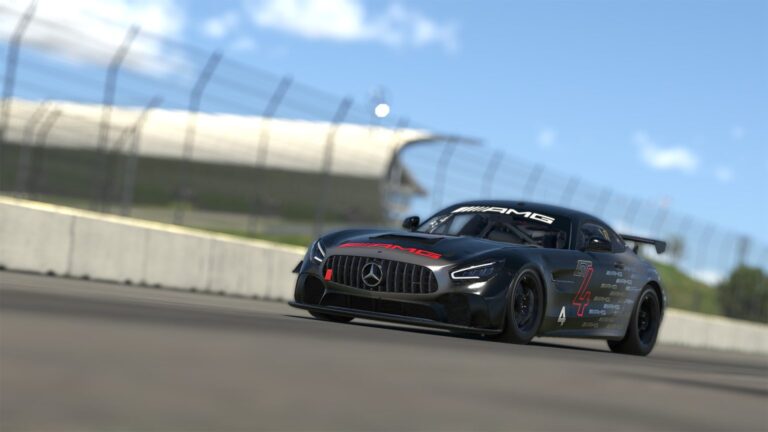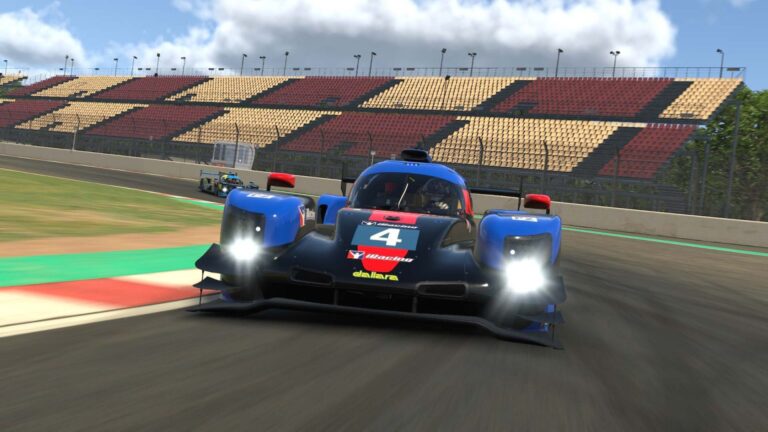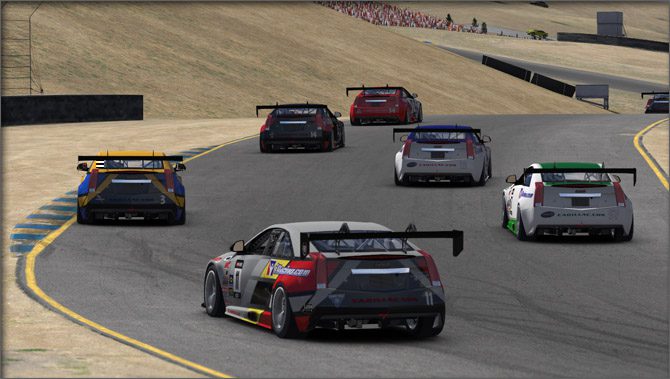
The Cadillac CTS-V iRacing setup screen is where you transform a heavy American coupe into a surgical racing tool. Because the car is a front-engine, rear-wheel-drive heavyweight with 460 horsepower and no ABS, the setup focus must be on managing weight transfer and maximizing rear traction. While the “baseline” setup is surprisingly competitive, making specific adjustments to your brake bias, rear camber, and fuel load can provide the extra stability needed to survive a high-intensity Global Challenge sprint.
Stabilizing the Entry: Brake Bias and Differential
The most important adjustment for any Cadillac CTS-V iRacing driver is the brake bias. Because the car is prone to “locking up” the rear wheels during aggressive downshifts, moving the brake bias forward (typically to 54% or 56%) is a common safety measure. This ensures the front wheels lock first, which—while induceing understeer—prevents the car from spinning uncontrollably. Additionally, if the car feels too loose on corner entry, increasing the differential locking can help stabilize the rear end, providing a more predictable transition as you move from the brakes to the throttle.
Managing the Weight: Springs and Dampers
In the Cadillac CTS-V iRacing world, controlling the 3,200lb bulk of the car is all about suspension tuning. If the car feels like it’s “wallowing” or slow to react in chicanes, stiffening the anti-roll bars (ARB) can help sharpen the response. However, be careful not to over-stiffen the rear, as this will make the car even more difficult to manage on corner exit. For bumpy tracks like Sebring or Mosport, softening the dampers allows the car to absorb the surface imperfections without disrupting the tire contact patch, keeping the 460hp V8 connected to the asphalt.
Setup Tips for the Global Challenge Series:
- Fuel Load: Many drivers carry far too much fuel for a standard sprint. Reducing your fuel load to only what is necessary for the race distance (plus a lap of safety) will significantly improve the car’s agility and braking performance.
- Rear Camber: Increasing negative rear camber can help with cornering grip in high-speed sweeps, but it can also increase tire temperatures. Monitor your tire data after a 5-lap run to ensure you aren’t “cooking” the inner edge of the rubber.
- Tire Pressures: The CTS-V is sensitive to pressure buildup. Aim for “hot” pressures that keep the car feeling responsive without becoming “bouncy” over curbs.
The Baseline Truth: Practice Over Parts
A recurring theme in the Cadillac CTS-V iRacing community is that the baseline setup is “good enough” for most splits. Top-tier drivers often emphasize that finding time through better lines and smoother inputs is more effective than chasing a “magic” setup. Before you dive deep into spring rates, ensure you have mastered the threshold braking and throttle modulation required by the car’s naturally aspirated V8. Once you can consistently hit your marks on the baseline, use small, incremental setup changes to “trim” the car to your specific driving style.
Building Confidence Through Stability
Ultimately, a winning Cadillac CTS-V iRacing setup is one that inspires confidence. Because the car is so heavy and powerful, a setup that leans slightly toward understeer is often faster over a full race distance than a “pointy” car that is difficult to control. Focus on making the car stable under braking and predictable on exit. Once you have a platform that doesn’t surprise you, the lap times will naturally fall as you push closer to the limit. Find your balance, respect the weight, and dominate the Global Challenge.