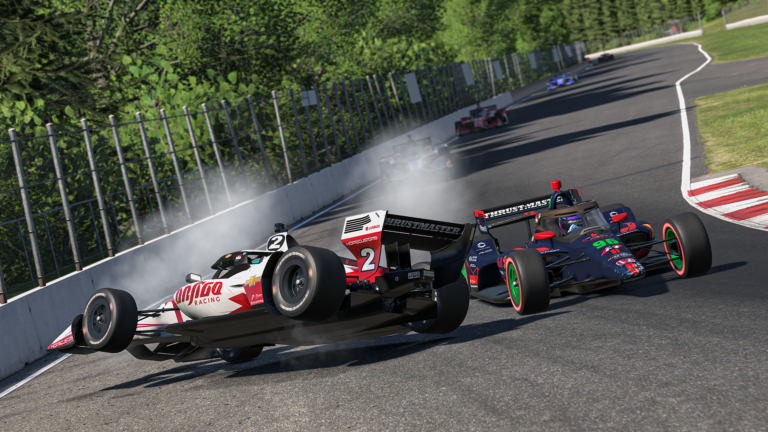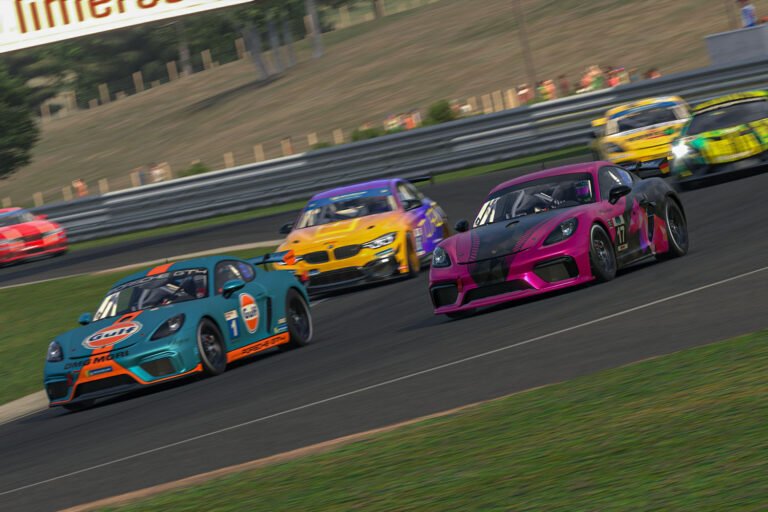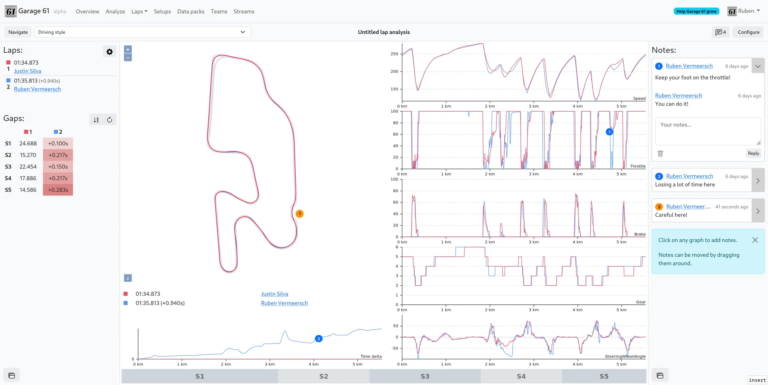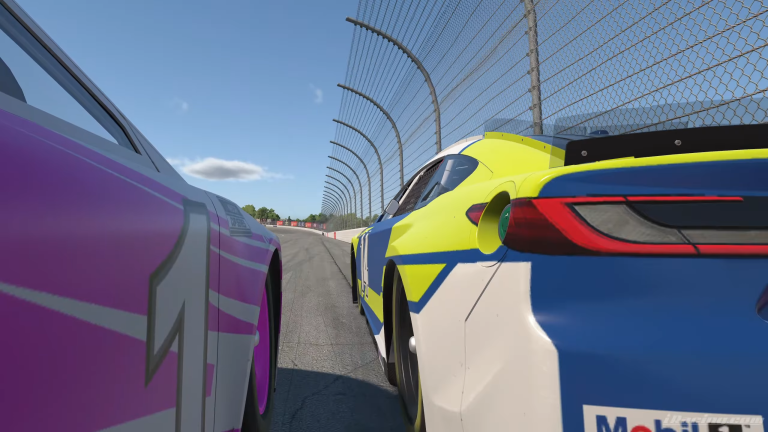
For new iRacers, few things are more confusing — or frustrating — than the iRacing incident system. You might be driving clean laps, get rear-ended by another car, and suddenly see your Safety Rating drop. It’s easy to feel like the system is unfair, but once you understand how it works and what it measures, it becomes one of the most valuable tools for improving your racecraft and climbing the iRacing license ladder.
What the iRacing Incident System Measures
The iRacing incident system isn’t about blame — it’s about involvement. iRacing’s Safety Rating (SR) tracks how often your car becomes involved in on-track incidents, regardless of who caused them. It’s a statistical model that predicts how safe you’re likely to be in future sessions based on your recent behavior and consistency.
Each type of infraction is assigned a point value:
| Type of Incident | Points |
|---|---|
| Off-track (4 wheels over the white line) | 1x |
| Loss of control / spin | 2x |
| Contact with another car | 4x |
| Heavy contact (multiple cars or large impact) | 8x |
Those numbers add up throughout a session, and your Safety Rating adjusts after each official race or time trial.
How Safety Rating Is Calculated
Safety Rating (SR) is based on your incident points per corner driven, not just total incidents. Driving a clean race with 0x incidents over 20 laps at Spa gains more SR than the same race length at Lime Rock because Spa has more corners and therefore more “data” to show your consistency.
You can think of SR as a moving average. Each official session updates your overall safety record — clean laps pull it upward, frequent incidents drag it down. Once your SR crosses certain thresholds, you move up or down in license class (Rookie → D → C → B → A).
Common Causes of Incidents
Many new drivers get frustrated because they receive points even when they didn’t “cause” the contact. That’s normal — the iRacing incident system can’t judge intent, only outcome. Understanding why these incidents occur helps you avoid them.
- Divebombs and Overly Late Brakers
Lower-split races often include drivers who attempt unrealistic passes. Anticipate this early — watch your mirrors on corner entry and leave space or position defensively. - First-Lap Chaos
Cold tires, close traffic, and adrenaline cause many early-race pile-ups. If you start mid-pack, it’s often wiser to leave extra room and let the field sort itself out before pushing. - Unsafe Rejoins
A common rookie mistake. If you spin off track, wait until it’s fully safe before re-entering the racing line. - Overdriving and Loss of Control
Trying to make up time too quickly or trail-braking too deep can cause a 2x spin and possible 4x contact. Smooth, predictable inputs keep you — and others — safe.
Tips to Avoid Incidents and Raise Your Safety Rating
- Be Predictable. Hold your line and make your moves early so others can react.
- Use Your Mirrors and Relative Box. Situational awareness is your best defense.
- Leave Space. Giving an extra car width often prevents a 4x.
- Don’t Over-Defend. One defensive move is fine — more than that often leads to contact.
- Avoid Battles with Reckless Drivers. If someone is clearly overdriving, let them go.
- Practice Racecraft. AI races or hosted sessions are great for learning how to handle pressure without losing control.
The “Vortex of Danger”
Veteran racers use the term vortex of danger to describe the mid-pack chaos where incidents are most common. The front few cars usually escape trouble, and the back often avoids it too — but the middle is where unpredictable braking, spins, and divebombs happen. If you qualify near the front, focus on a clean getaway. If you’re mid-pack, hang back slightly to let early accidents unfold ahead of you.
The iRacing incident system isn’t perfect, but it’s consistent — and understanding it gives you control over your own progression. Treat every 1x or 4x not as a punishment, but as feedback. With awareness, patience, and practice, you’ll not only protect your Safety Rating but also become the kind of driver everyone wants to race with.