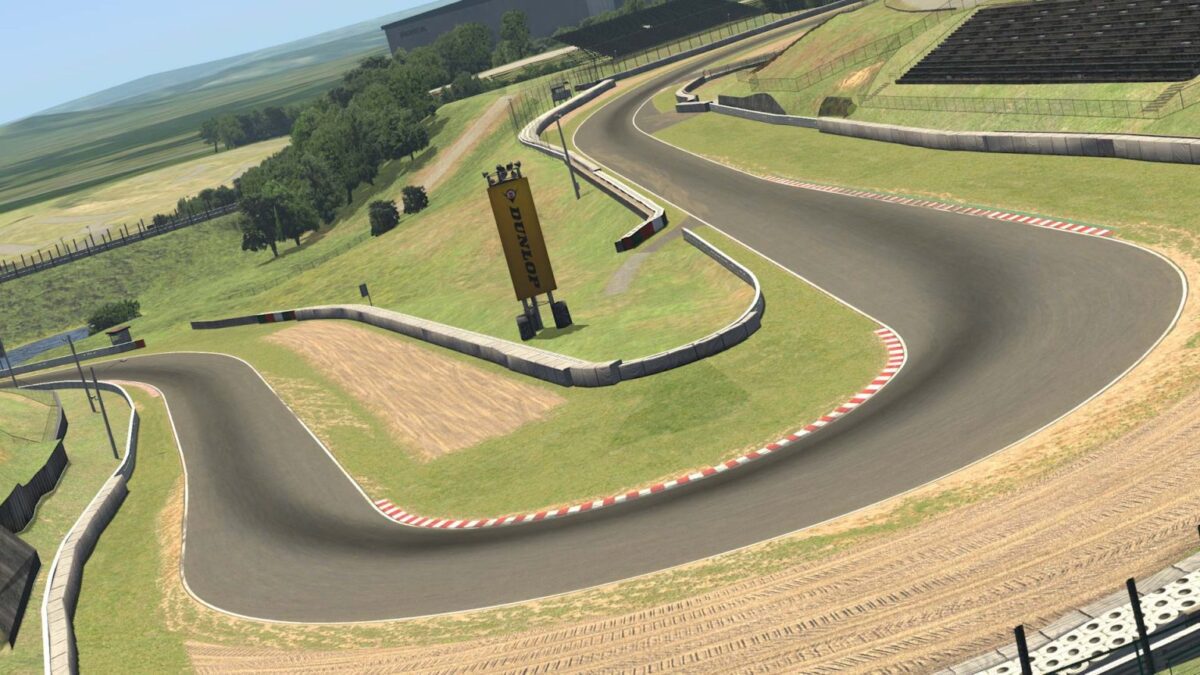
The Suzuka Circuit is a 5.807 km (3.61 mile), 18-turn track located in Suzuka City, Japan. Built in 1962 by Honda as a test track, it has since become one of the most famous racing circuits in the world.
Track Basics
- Length: 5.807 km / 3.61 miles (Grand Prix layout)
- Turns: 18
- Direction: Clockwise
- Surface: Asphalt
- Major Events: Formula One Japanese Grand Prix, Super GT, Suzuka 8 Hours (motorcycles), FIA World Endurance Championship.
Key Sections
- The Esses (Turns 3–7): A flowing sequence that defines lap rhythm and car balance.
- Dunlop Curve (Turn 7): A long, uphill left requiring confidence in grip.
- Degner Curves (Turns 8–9): Tight right-handers that punish overcommitment.
- Hairpin (Turn 11): A slow, heavy braking corner that sets up for sector two.
- Spoon Curve (Turns 13–14): A long, double-apex left where exit speed dictates pace onto the back straight.
- 130R (Turn 15): One of the most famous high-speed corners in the world, taken nearly flat-out.
- Casio Triangle (Turns 16–18): The final chicane, a key overtaking spot before the pit straight.
Driving Keys
- Flow management: Suzuka rewards rhythm—mistakes in the Esses cascade into lost time.
- Braking control: Critical at the Hairpin and Casio Triangle.
- Courage: Corners like Spoon and 130R demand total commitment.
- Setup compromise: High downforce helps through the Esses, but drag hurts on the straights.
Suzuka is both a technical and high-speed masterpiece—a track that tests consistency, bravery, and racecraft in equal measure.