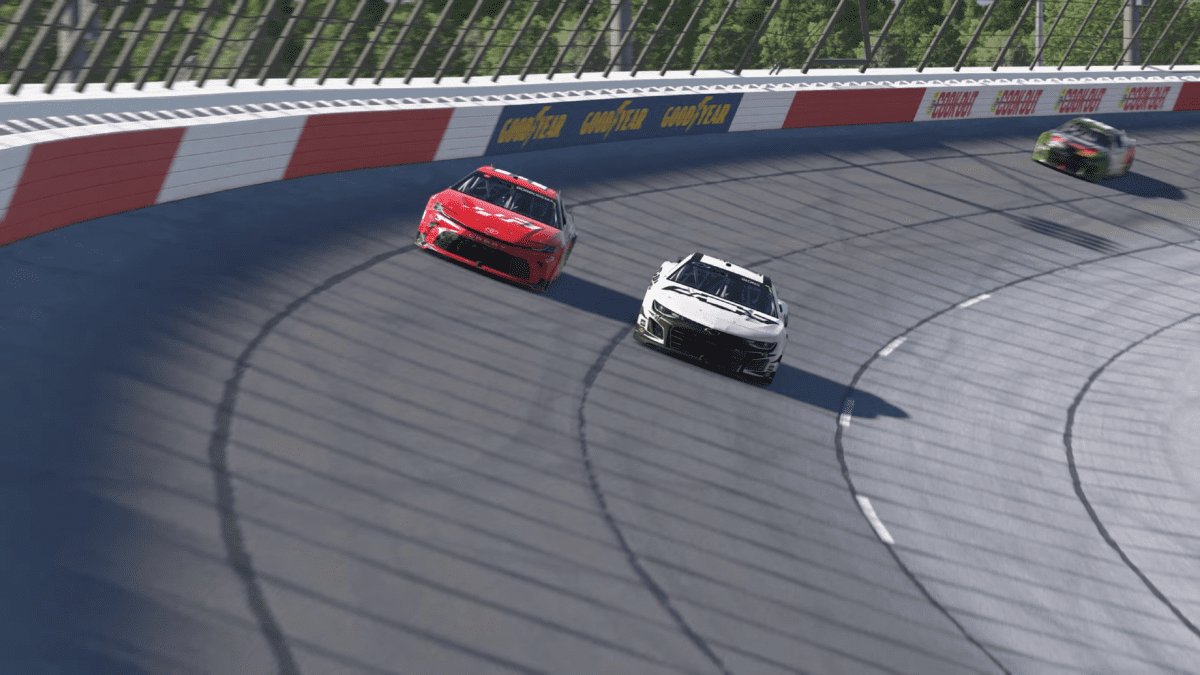
iRacing officially launched Oval Refresh Phase 2 to revolutionize how drivers experience stock car racing. This update changes how rubber interacts with the track surface during a long run. Specifically, the simulation now calculates how tires tear rubber from the surface versus how they deposit it. Consequently, multi-groove racing is now more viable than ever before.
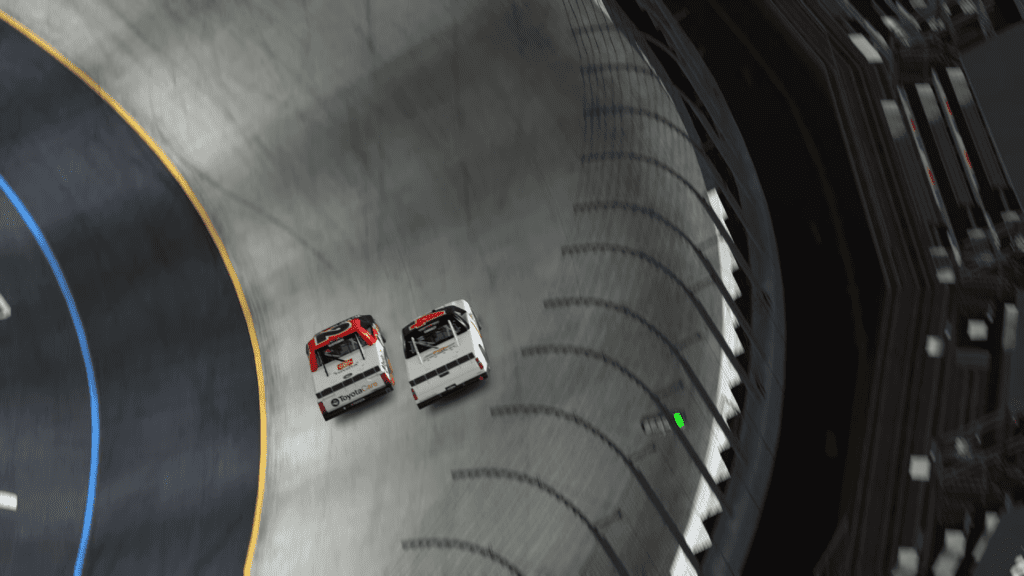
Solving the “One-Line” Racing Problem
Previously, many oval tracks suffered from a single dominant racing line. However, the Phase 2 update introduces advanced thermal flow calculations. These calculations track how heat moves through the track surface based on rubber density.
Because the rubber now affects track temperature more accurately, the high line often stays competitive longer. Therefore, drivers must actively search for grip as conditions evolve throughout a race. This mirrors real-world NASCAR competition where the “preferred” line shifts every few laps.
Reduced Setup Hypersensitivity
A major goal of this update was to fix setup “hypersensitivity”. In the past, small changes in track temperature could ruin a car’s balance. Now, the interaction between the tire and the track is much more stable.
Specifically, the tires transfer energy into the track more realistically as they heat up. Because of this change, your “long run” car balance should feel more consistent. This allows teams to focus on overall speed rather than chasing a moving target.
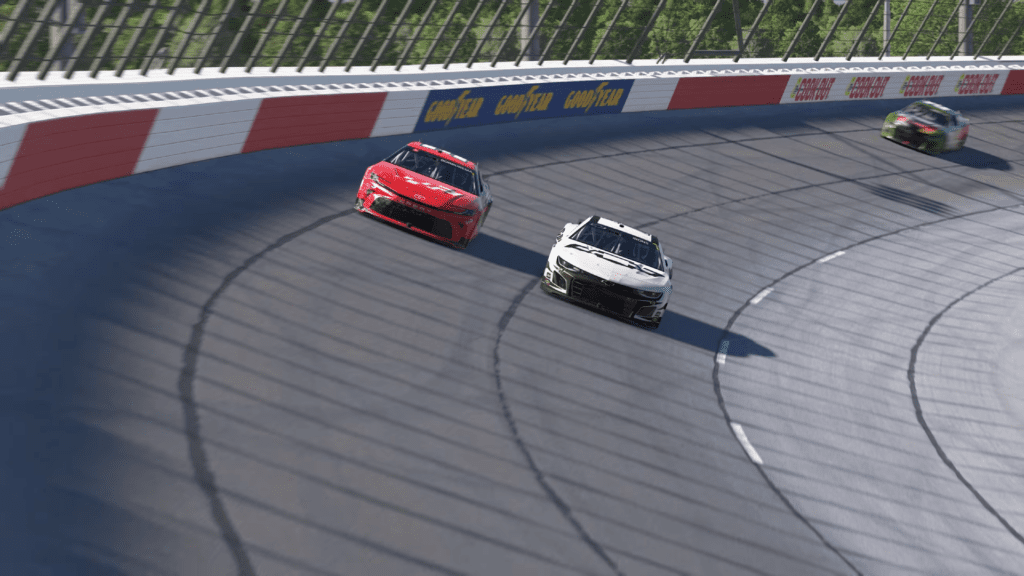
NASCAR Truck Series Aero Overhaul
In addition to the track surface changes, the NASCAR Trucks received a major aerodynamic update. iRacing utilized a new CFD-based model for these vehicles. This model specifically captures the skewed and offset body shapes seen in modern competition.
- Side-by-Side Fidelity: Handling is much more stable when racing inches away from a competitor.
- High Yaw-Angle Control: The trucks are more predictable when sliding through corners.
- Dynamic Drafting: The trucks now use the same high-fidelity drafting model as the Gen 7 Cup cars.
IndyCar Hybrid System Implementation
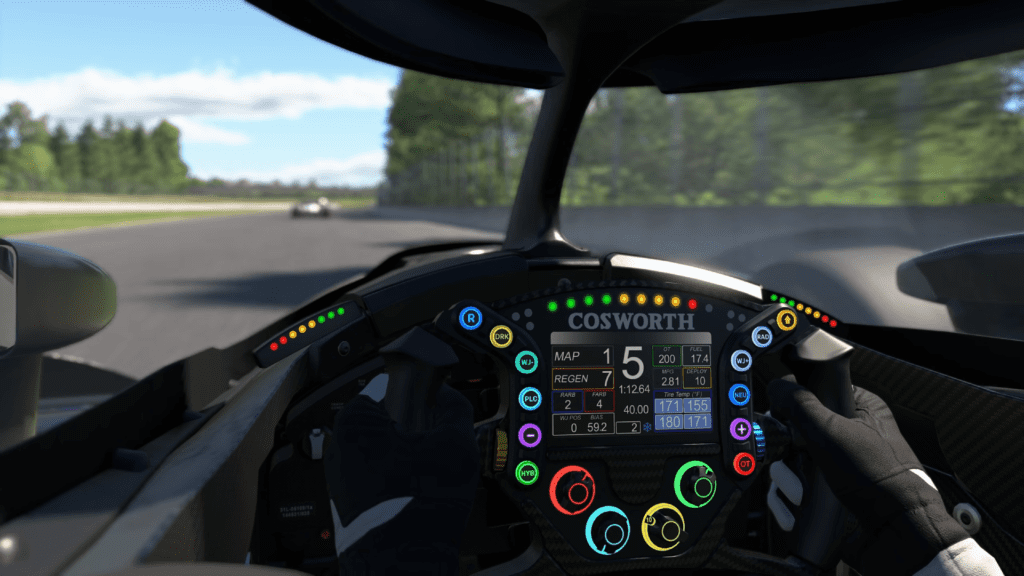
Road racers also see a massive technical shift with the Dallara IR18. The car now features a full capacitor-based hybrid system. Consequently, drivers must manage energy recovery and deployment during the race.
New in-car displays help you monitor your energy levels in real-time. Furthermore, telemetry has been expanded so teams can analyze hybrid performance in detail. This aligns the sim perfectly with current real-world IndyCar specifications.