Two new cars. A brand new street circuit. A rebuilt track with all-new laser scan data. Four new HUD features. A stack of car class overhauls that will break most existing setups. iRacing’s 2026 Season 2 build is one of the meatier seasonal updates in recent memory, and this is the full confirmed breakdown of everything that changed.
New Cars: Audi RS3 LMS Gen2 TCR and NASCAR Truck RAM
Season 2 adds two new cars. Specifically, the Audi RS3 LMS Gen2 TCR joins the TCR class as the newest touring car on the platform. Debuting at the 2021 World Touring Car Cup, the second-gen RS3 LMS won TCR Model of the Year three consecutive years after launch. It arrives rain-ready and AI-enabled from day one. With its addition, the original Audi RS3 LMS TCR moves to Legacy content, and iRacing issued partial refunds to owners who purchased within the last year.
Meanwhile, the NASCAR Truck RAM is the second new car. RAM returned to the NASCAR Truck Series in 2026 after a nearly 15-year absence, joining Kaulig Racing with a five-truck effort. In iRacing, the truck replicates the real spec: 625 horsepower and 3,450 pounds across superspeedways, ovals, short tracks, and road courses. AI-enabled out of the box.
New Track: St. Petersburg Grand Prix
The Additionally, St. Petersburg Grand Prix joins iRacing for Season 2. The 1.808-mile, 14-turn street circuit has served as the INDYCAR season opener since 2005 and is one of the most demanding venues on the calendar. Albert Whitted Airport’s runway forms the start-finish straight. Turn 1 causes chaos at race starts. Turns 4 through 9 are among the most technical consecutive corners in the series. Walls are close throughout. AI Racing is enabled from launch. Full St. Pete track guide here.
Rebuilt Track: Barber Motorsports Park
Barber Motorsports Park was already in iRacing, but what arrived in Season 2 is effectively a new track. iRacing’s scan team returned to Birmingham, Alabama to capture the 2.3-mile, 16-turn circuit with brand-new laser scan data, reflecting the facility’s recent repave and updated runoff areas. The rebuild completely replaces the old version. The Short A and Short B configurations are retired. Every existing Barber owner gets the updated version at no charge, and any pending hosted sessions using the old version were cancelled and refunded. AI Racing is enabled at the rebuilt Barber. Full Barber rebuild breakdown here.
Track Art Overhauls: Lanier, Langley, and USA International
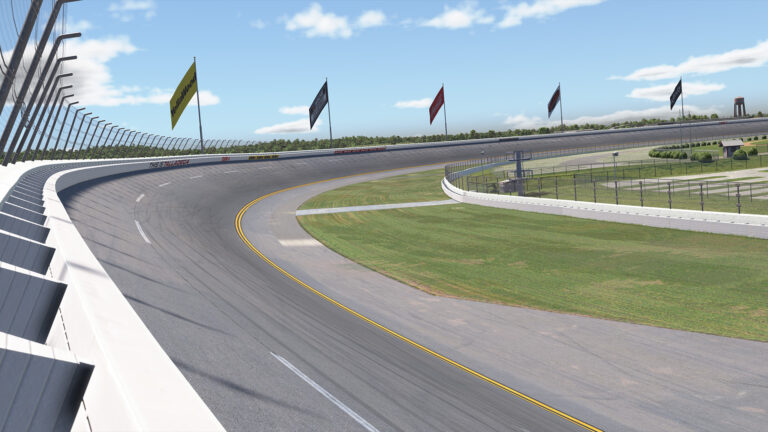
Three short oval circuits received full visual overhauls in Season 2. Lanier National Speedway and Langley Speedway both got comprehensive art updates covering track surface, buildings, 3D foliage, textures, shaders, and lighting. USA International Speedway received the same treatment across both its asphalt and dirt configurations. Lanier also got a functional change: pit road now enters in Turn 4 and exits in Turn 1, removing the old full infield loop. Maximum car count at Lanier increases from 45 to 60. Full art overhaul breakdown here.
Four New HUD Features
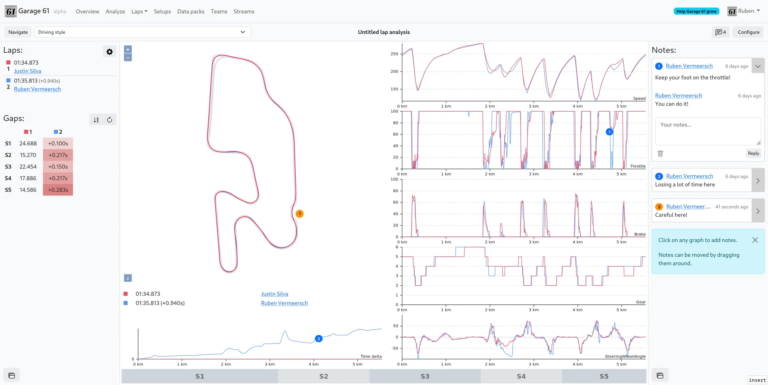
The in-sim interface got four meaningful additions in Season 2. HUD Layout Profiles let you create named HUD configurations, assign them globally or per car, and switch between them mid-session without touching your saved defaults. The Visual Spotter puts the audio spotter’s data on screen visually, built for single-monitor drivers. The Throttle and Brake Timeline adds a time-based pedal input graph to the Driver Inputs Widget for lap-to-lap self-analysis. Two new Widgets round out the additions: Session Info shows laps remaining, time left, and scoring status; Session Rules displays the requirements for your current session. Full HUD breakdown here.
Car Class Overhauls: GTE, TCR, NASCAR O’Reilly, and the Lotus 49
Four groups of cars received physics updates significant enough to invalidate most existing setups. Check yours before your next race.
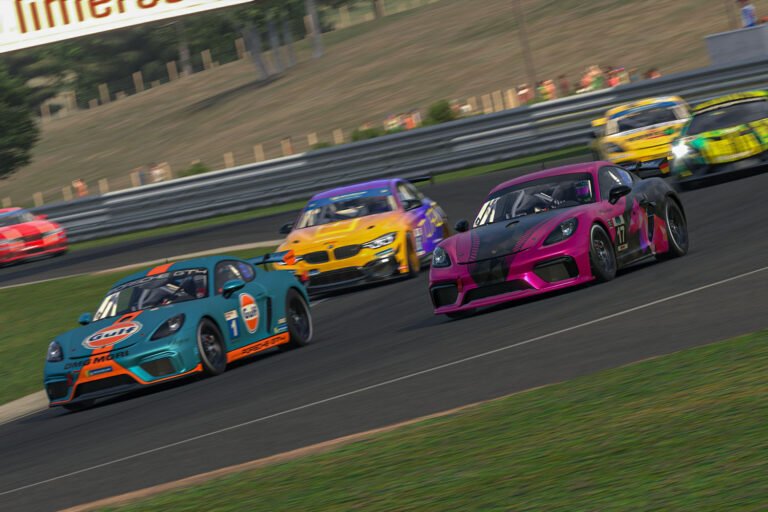
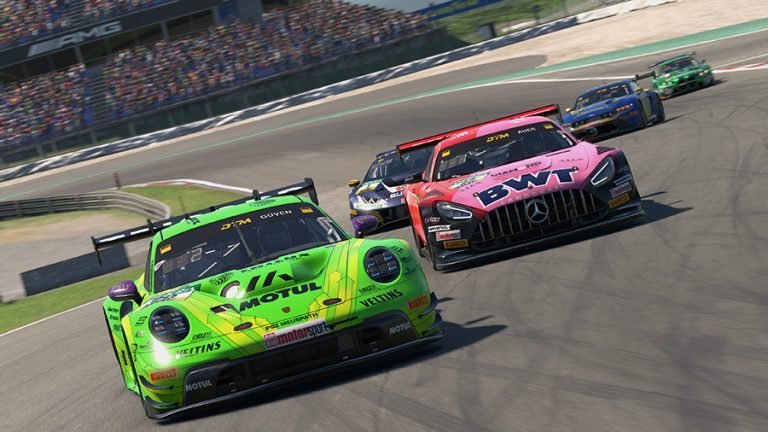
On the road side, the GTE class got all-new slick tires built on iRacing’s latest physics model, plus rain capability across the board. Ride height rules now include a measurement at the front splitter, and most old setups will fail tech as a result. Tracks including the Nurburgring Nordschleife require a minimum 70mm front splitter clearance. The garage was reorganized, damper adjustments consolidated onto their own tab, and ride heights are now directly adjustable. Full GTE overhaul here.
The TCR class update is equally thorough. Tires rebuilt from real-world data, engine parameters updated across the board including power curves, boost, turbo, gear ratios, rev limiter, and shift lights. Fuel capacity corrected to the IMSA standard of 85 liters, affecting pit stop strategy. Brake system reworked, ride heights now include the front splitter in tech checks. Full TCR breakdown here.
NASCAR O’Reilly Series cars reflect the real-world series rebrand from Xfinity and the 2026 rules package. Ride height minimum moves to 4.25 inches, rear camber to 2.2 degrees. Engine power and drafting parameters updated, plus fresh decals and contingencies throughout. Full O’Reilly breakdown here.
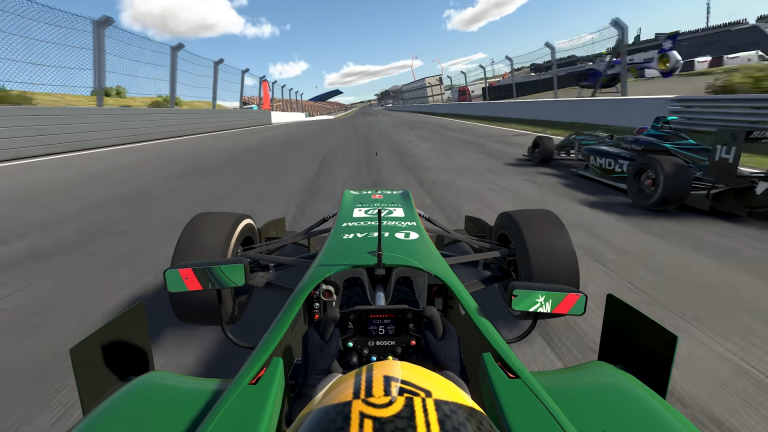
Moreover, the Lotus 49 gets rain tires for the first time, which matters for a 1967 Formula 1 car. Beyond that, the suspension received a full rework covering motion ratios, damper lengths, spring rate ranges, and ride height ranges. Brake system rebuilt for more realistic line pressures, and brake bias is now fully adjustable in Fixed Setup sessions. Full Lotus 49 breakdown here.
Rain Racing Expands to Four More Cars
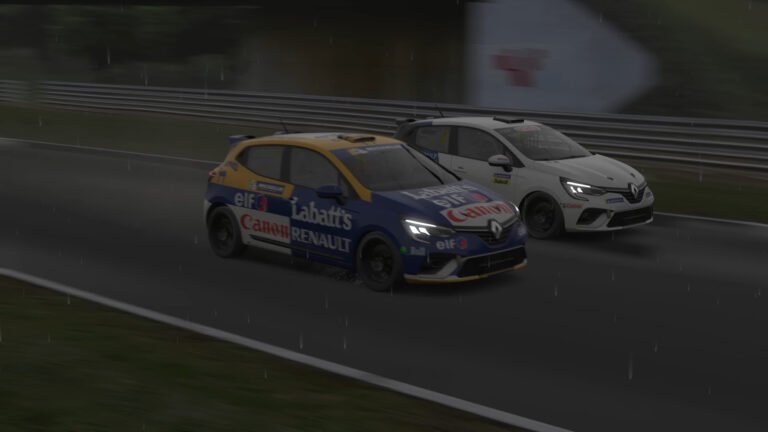
The Audi RS3 LMS Gen2 TCR ships rain-ready as a new car. Three existing cars get wet capability added: the Audi 90 GTO, the Lotus 49, and the Nissan GTP ZXT. All four can equip rain tires at pit stops or start sessions on wets when conditions call for it. Rain racing expansion breakdown here.
AI: Automatic Event Completion
Solo AI Race sessions now score properly if you leave before all AI drivers finish. Previously, exiting early meant the event didn’t score. Now, iRacing automatically simulates and scores the remaining finishing order when you exit, at any point in the race. Good news for endurance events and anyone whose real life interrupts a session mid-race. Full AI feature breakdown here.
Other Notable Updates
The Oval Refresh Project continues with improved rubber pick-up and marble behavior during caution laps. Tire barrier physics received a global stiffness reduction for more realistic collisions. Mirror rendering performance improved via updated SpeedTree handling. Formula Cars at short ovals received handling updates. The Connection Black Flag system was restructured for more accurate detection of drivers with persistent connectivity issues.
If you race any of the updated car classes, review your setups now. Most won’t survive tech without adjustments.