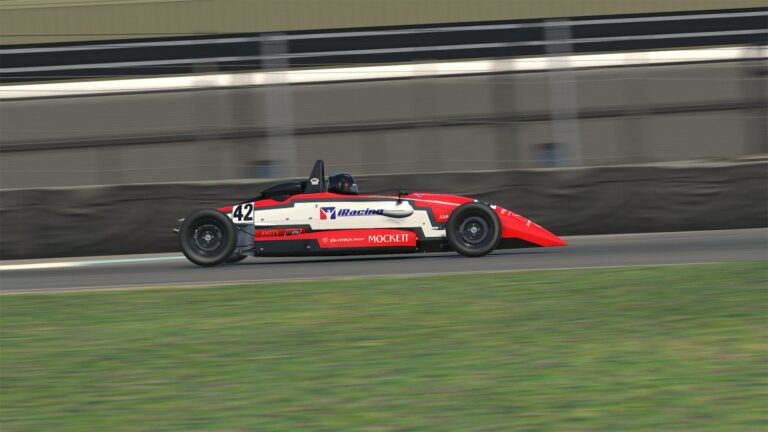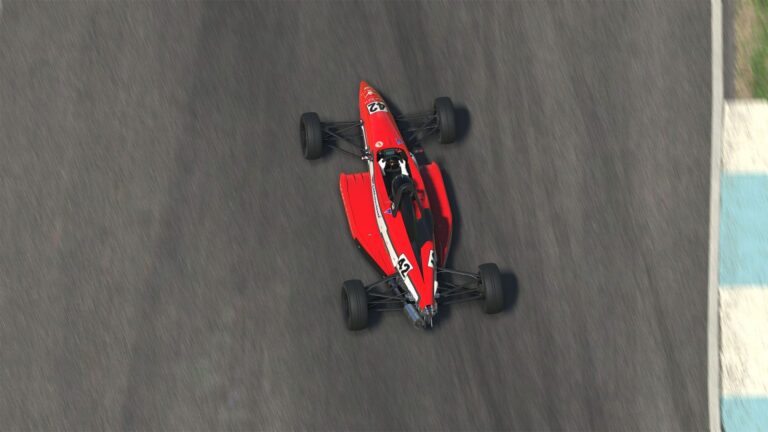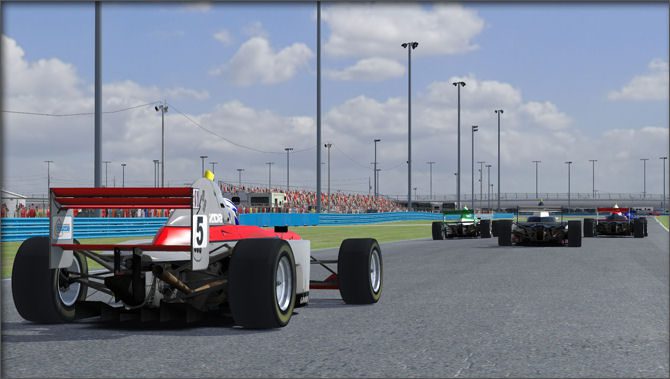
The Pro Mazda iRacing guide serves as the definitive manual for mastering one of the most unique open-wheel cars in simulation history. Originally entering the service as the Star Mazda, this machine represents a critical middle ground in the formula car ladder. It combines a lightweight carbon fiber chassis with a high-revving Mazda Renesis rotary engine. To find speed in this car, you must move beyond basic driving habits and learn the nuances of aerodynamic balance and rotary power delivery. This comprehensive guide covers the technical secrets and driving techniques needed to dominate the Class C ranks.
Understanding the Rotary Power Curve
The first pillar of any Pro Mazda iRacing guide is understanding the 1.3L “Renesis” rotary engine. Unlike traditional piston engines found in the Skip Barber or the F4, the rotary engine produces power with incredible smoothness. It delivers 240 horsepower, but the torque curve is relatively flat and peaks at a very high RPM. You must keep the engine screaming between 6,000 and 8,500 RPM to stay competitive. If you drop below this range during a corner exit, the car will feel sluggish, and you will lose significant time on the following straightaway.
Sound is your best indicator for shifting. The Pro Mazda requires a rhythmic approach to its 6-speed sequential gearbox. Because the engine is so smooth, it is easy to accidentally hit the rev limiter. Pay close attention to your shift lights and try to time your upshifts just before the limiter cuts power. On the downshift, the sequential box is robust, but you should still blip the throttle to keep the rear stable. Mastering this engine is the first step toward becoming a professional-tier sim racer.
Aerodynamic Balance and Downforce Theory
As you progress through this Pro Mazda iRacing guide, you will realize that aerodynamics are the car’s most powerful tool. The front and rear wings are highly adjustable, allowing you to tailor the grip levels to specific tracks. At high speeds, the car produces hundreds of pounds of downforce, pulling the chassis toward the track surface. This allows you to take sweepers at speeds that feel unnatural at first. However, this downforce creates a specific challenge: aero-dependency.
In high-speed corners, you must trust the car. If you hesitate or lift the throttle mid-corner, the car’s pitch changes, which can cause a sudden loss of aerodynamic grip. You want to maintain a “flat” platform through the corner. This is where your rake settings become vital. By adjusting the rear ride height slightly higher than the front, you can create a “nose-down” attitude that improves turn-in. However, too much rake will make the rear nervous in high-speed sections. Finding the balance between “bite” and “stability” is the hallmark of a great Pro Mazda setup.
Advanced Setup: Mastering the Mechanical Grip
While wings provide grip at high speeds, the mechanical setup determines how the car handles hairpins and chicanes. The Pro Mazda iRacing guide recommends focusing on the pushrod-actuated suspension. You have access to two-way adjustable dampers that control the car’s bump and rebound. Softening the front compression can help the car absorb curbs, while stiffening the rear rebound can help the car settle faster during direction changes.
One of the most unique features of the Pro Mazda is the cockpit-adjustable front anti-roll bar. This is a game-changer for long races. As your fuel load decreases and your front tires begin to wear, the car’s balance will naturally shift toward understeer. By adjusting the anti-roll bar from your steering wheel, you can soften the front end to regain that missing turn-in grip. This allows you to maintain consistent lap times from the first green flag to the final lap. Always map this function to a reachable button on your hardware.
Braking Technique and Weight Transfer
The Pro Mazda iRacing guide emphasizes precision over power when it comes to braking. Because the car is so light (roughly 1,090 lbs), it does not require massive brake pressure to slow down. In fact, “stomping” on the brakes will likely lock the front tires and ruin your entry. Instead, use a firm initial pressure and then “trail brake” toward the apex. This keeps the nose pinned down, providing the necessary front-end grip to rotate the car into the corner.
The short wheelbase of the Pro Mazda makes it very agile, but also prone to “snap” oversteer if you are too aggressive with your inputs. Avoid jerky steering movements. Every input should be intentional and smooth. If the car feels loose on entry, try moving your brake bias forward by one or two percent. This will stabilize the rear end and give you more confidence to attack the braking zones. Confidence is the key to finding those final few tenths of a second.
Summary: The Legacy of the Pro Mazda
To conclude this Pro Mazda iRacing guide, remember that this car is a teacher. It teaches you how to manage a rotary engine, how to trust aerodynamics, and how to engineer a complex suspension system. Even though it has now moved to Legacy status on the iRacing service, the skills you learn here are directly applicable to modern cars like the Indy Pro 2000 or the Dallara F3. It remains one of the most rewarding driving experiences in the world of sim racing. Keep your RPMs high, your steering smooth, and your wings balanced. We will see you at the front of the grid.