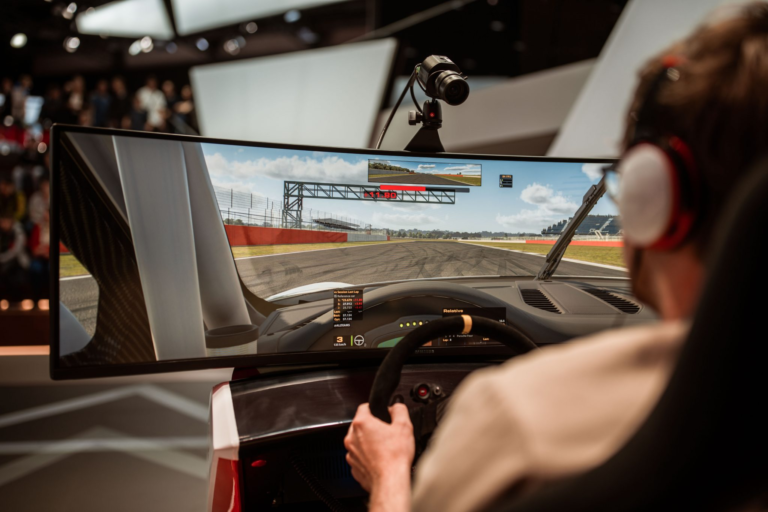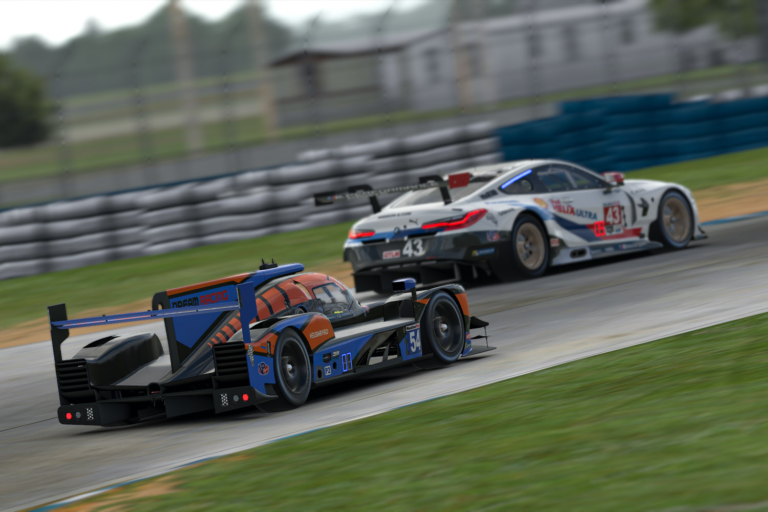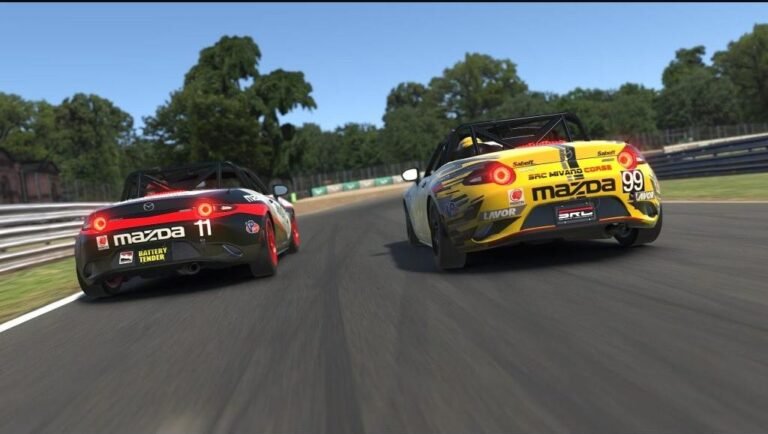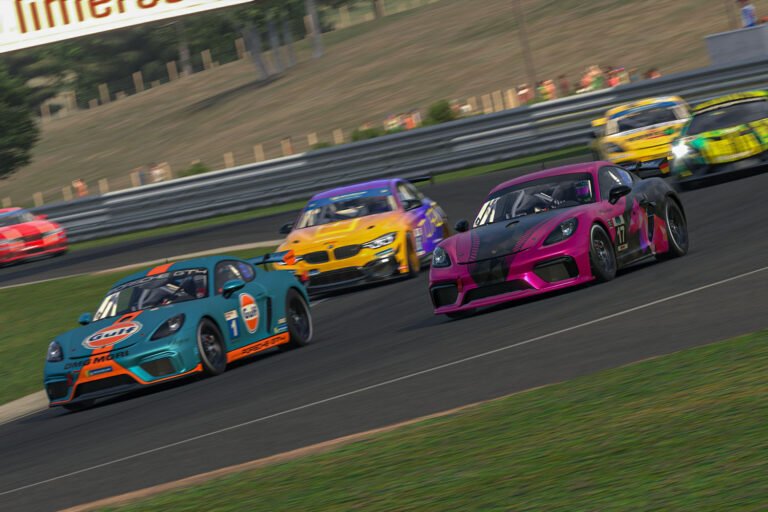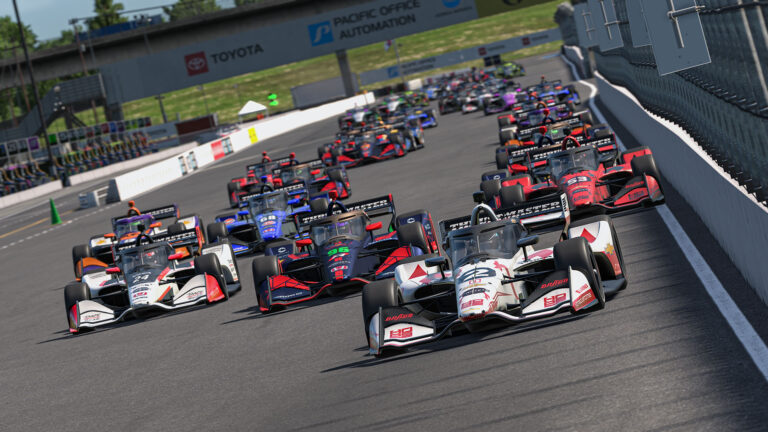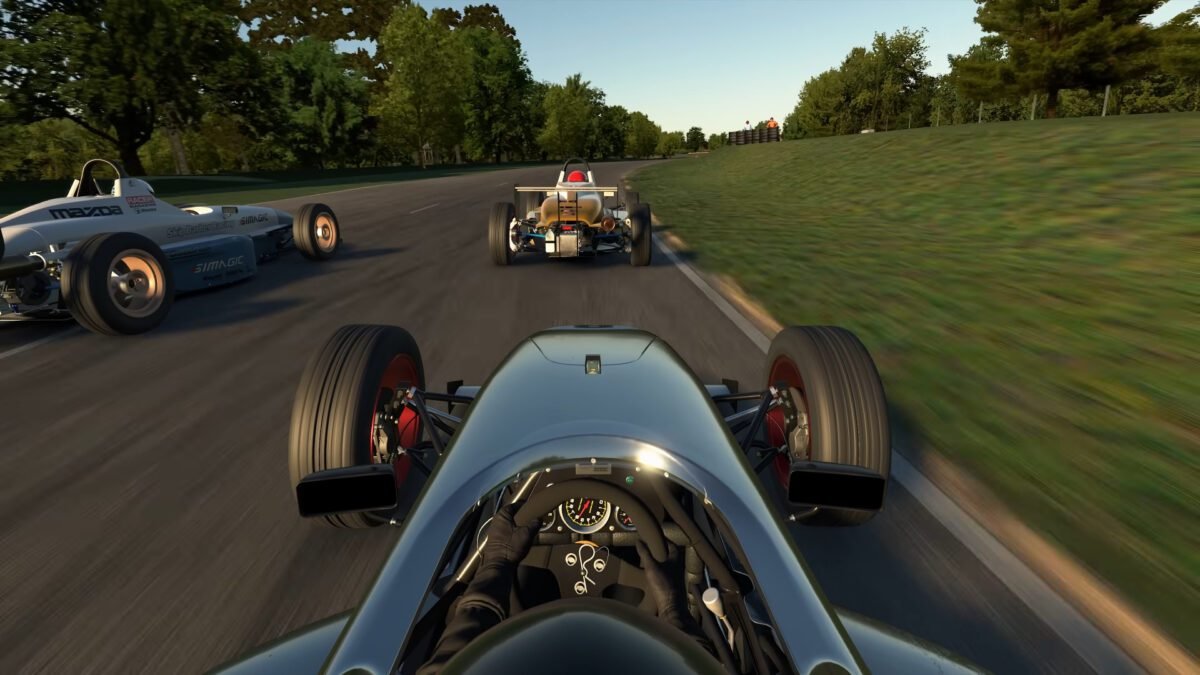
Getting your braking point right in iRacing is straightforward when you are alone on track. You find a reference, hit it every lap, and build consistency from there. That works well for hotlapping. But wheel-to-wheel racing is a different problem. When there is a car alongside you into a braking zone, a fixed reference is not what you should be focused on.
Also See
➡ Mastering the Wet Line in iRacing
Many iRacers go into a battle with a favourite move already decided before they have assessed what is happening through the corner. Always late-braking up the inside. Always setting a switchback on exit. The specific move matters less than the fact that the decision is pre-determined rather than read in the moment. The same pattern shows up in braking decisions.
Why a Fixed Braking Point Fails in iRacing Battles
If your plan is always to brake later than the car alongside you, there will eventually be a moment when they brake too late for the corner and you brake even later. At best, you both run wide. At worst, there is contact. The strategy relies on the other driver making a predictable mistake, and it stops working the moment they do not.
The second flaw is using a fixed track reference when another car is changing what that reference means. Your normal braking cone works when you have a clear view of your line and your exit. When there is a car on the inside or outside, your line changes, your exit changes, and the speed you can carry into the corner changes. The reference point stays the same but the corner does not.
The Dynamic Braking Approach
Rather than committing to brake at a fixed point, think in terms of a cut-off point. Before the corner, decide the minimum position you need to be ahead by, or alongside at, in order to make the corner work cleanly. If you reach that point with track position, you brake normally and take your line. If you do not, you adjust. Brake slightly later to push the other car wider, or brake slightly earlier to fall in behind and set up a better exit.
This is reactive decision-making rather than pre-planned execution. It keeps your options open until the last moment. Most braking point mistakes in iRacing happen because the driver has already committed to an action before seeing what the other car is doing. The cut-off approach forces you to look first.
Thinking About the Other Car
One of the most useful habits in wheel-to-wheel racing is driving the other car in your head. Before the braking zone, ask yourself where they want to be. Are they going to defend the inside? Are they likely to brake early and fall in behind? Are they already committed to a move that makes their line predictable? If you can answer those questions before you reach the corner, your braking decision becomes much easier.
This applies to both attacking and defending. When you are defending, knowing where the other driver wants to go tells you how much braking zone you need to hold. When you are attacking, knowing their likely response tells you whether a late-braking move will actually work or whether you are gambling on them making an error. The same thinking applies to switchbacks, hairpins, and any corner where the entry order does not guarantee the exit order.
The drivers who consistently collect positions on corner exit are not necessarily braking later. They are reading the situation earlier. They arrive at the braking zone with a plan that fits the actual scenario rather than a rehearsed move they are going to attempt regardless of what the other car does.
How to Build This Skill
This is a skill that comes from racing reps, not practice laps. You cannot rehearse reading another car in a time trial session. The decision-making only gets better when you are actually in traffic, making real choices under pressure with consequences attached. Solo pace and racecraft develop on different timelines, and treating them as the same thing is the main reason drivers plateau.
The practical work is knowing your cut-off point for each corner before the race, so that during the race you only have to think about the other car. If you have to figure out your braking reference under pressure, you have already run out of mental bandwidth. Pre-loading that information in practice frees you up to actually read the battle. The iRacing beginner resources cover the basics of the interface, but adapting your braking point in iRacing races is something only laps in traffic can teach.
After the race, review the corners where you either lost or gained positions. Look at what decision you made at the cut-off point and whether a different read of the other car would have produced a better outcome. One honest review per race will do more for your racecraft than a hundred practice laps.
Finding your braking point in iRacing when you are alone on track is a timing problem. Finding it when someone is alongside you is a reading problem. The reference point matters less than understanding what the other car is doing and whether your planned move still makes sense. For more on racecraft fundamentals, see iRacing Racecraft Tips and How to Improve Your iRating in iRacing.