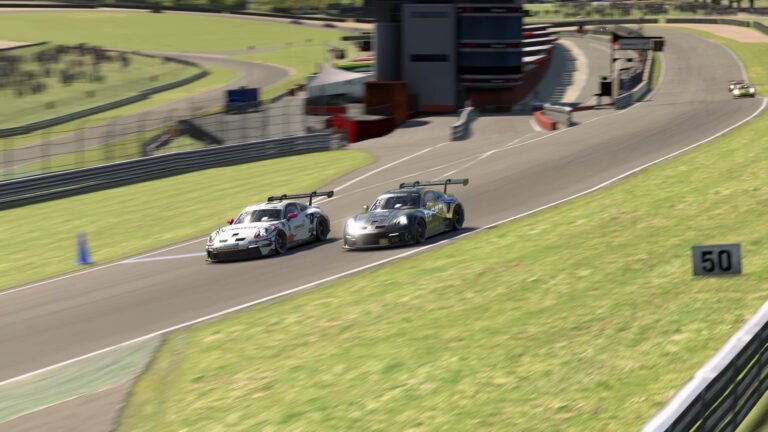
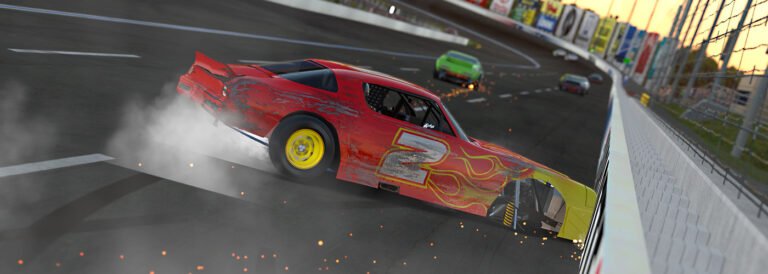
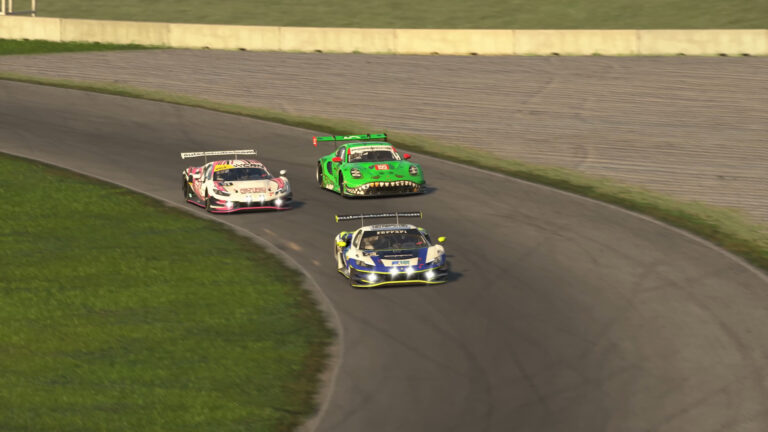
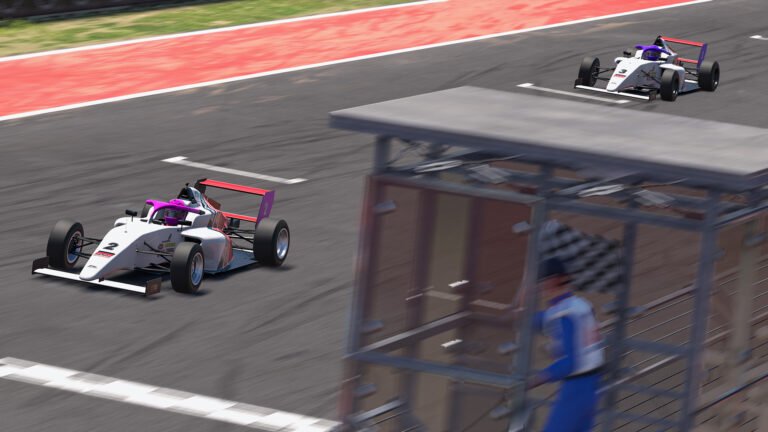
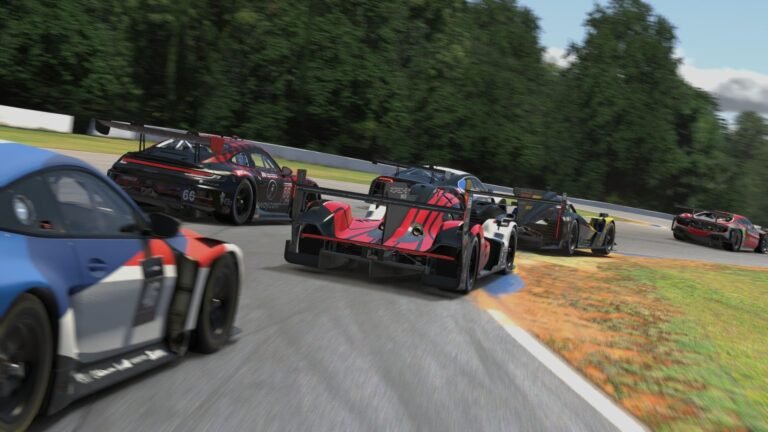
Nishizumi Paints is a free, open-source livery loading tool for iRacing that has been circulating in the sim racing community as an alternative to Trading Paints for drivers who want automatic livery loading without a subscription cost. The tool handles the same core function that Trading Paints does: it reads opponent car numbers during a session and automatically loads the correct livery files into iRacing’s paint directory before the car finishes rendering on track. For drivers who find Trading Paints pricing unworkable, Nishizumi Paints iRacing integration offers the same basic result at no cost.
Trading Paints has been the standard livery loader for years. It ties into iRacing’s car numbering system, maintains a large public database of uploaded liveries, and runs a subscription model that includes the auto-load feature. For drivers who race consistently and want their liveries seen by others automatically, it is the lowest-friction option available. The database is large, the software is stable, and the integration with iRacing’s rendering system is well-tested. Most leagues with a strong livery culture default to Trading Paints as the expected tool.
Nishizumi Paints works differently. Rather than connecting to a centralized livery database, it relies on drivers sharing livery files directly and storing them locally. When configured, the tool monitors your active session and applies the correct liveries as opponents are detected. The practical trade-off is that the auto-loading experience depends on drivers in your session having shared their liveries in a format the tool can find. In organized leagues where participants are active and distributing files consistently, this works reliably. In random open matchmaking, file availability varies considerably.
The open-source aspect matters for a few reasons. The code is publicly available, which means the community can inspect it, contribute fixes, and keep it maintained even if the original developer moves on. That is a meaningful advantage over closed tools that can disappear if the developer changes the pricing model or stops supporting the project. iRSidekick is another tool that operates in a similar space, and the iRacing community has built up a small but active ecosystem of livery management tools that do not require ongoing payment to run.
Setup is more manual than Trading Paints. You need to install the tool, configure the paths to your iRacing paint directory, and make sure the file format for any livery you want loaded matches what the tool expects. For drivers who are comfortable with basic file management and do not mind a setup process that takes around twenty minutes, this is not a significant barrier. For drivers who want a plug-and-play experience and do not want to think about directory paths, Trading Paints remains the easier path from installation to first use.
Who benefits most from Nishizumi Paints is fairly specific. League administrators who want a no-cost livery solution for their field, drivers who have painted for years and want to keep using their own files without uploading them to a third-party service, and sim racers who treat the paint shop as a serious part of the hobby all tend to find value in what the tool offers. Casual drivers who rarely see or upload custom liveries are unlikely to notice much of a difference between tools, and for them the choice is mostly a matter of which community their league uses.
The tool is not a full replacement for Trading Paints in every scenario. If your racing is primarily in open series with drivers you have never raced before, Trading Paints’ centralized database means you will see more liveries loaded automatically than Nishizumi Paints can deliver through file sharing alone. For structured leagues where the organizer controls what files get distributed, Nishizumi Paints closes that gap considerably and in some cases becomes the preferred option on cost alone.
Development activity is worth checking before committing to any community tool. Nishizumi Paints has seen continued updates and has an active thread in the iRacing forums where drivers report issues and request features. The pace of updates tends to follow iRacing’s season releases, which is when file format changes are most likely to break compatibility with livery loaders. If you adopt the tool for a league, it is worth monitoring the forum thread around each major iRacing update to confirm compatibility is maintained before your next race weekend.