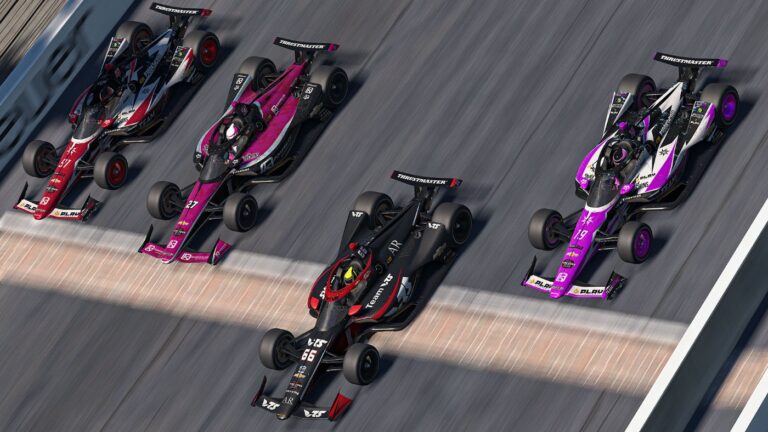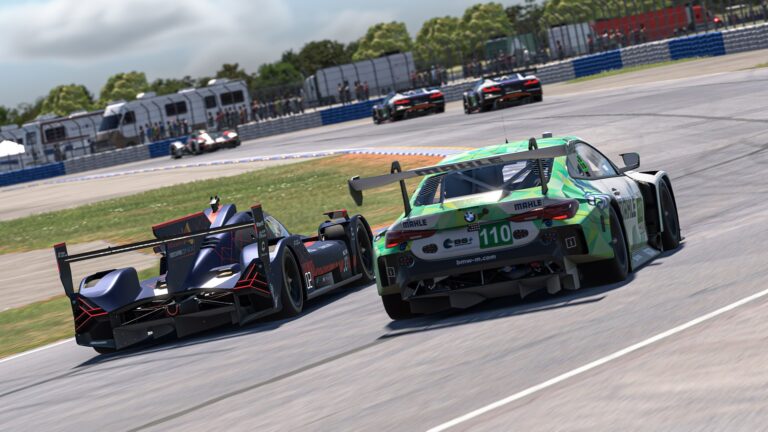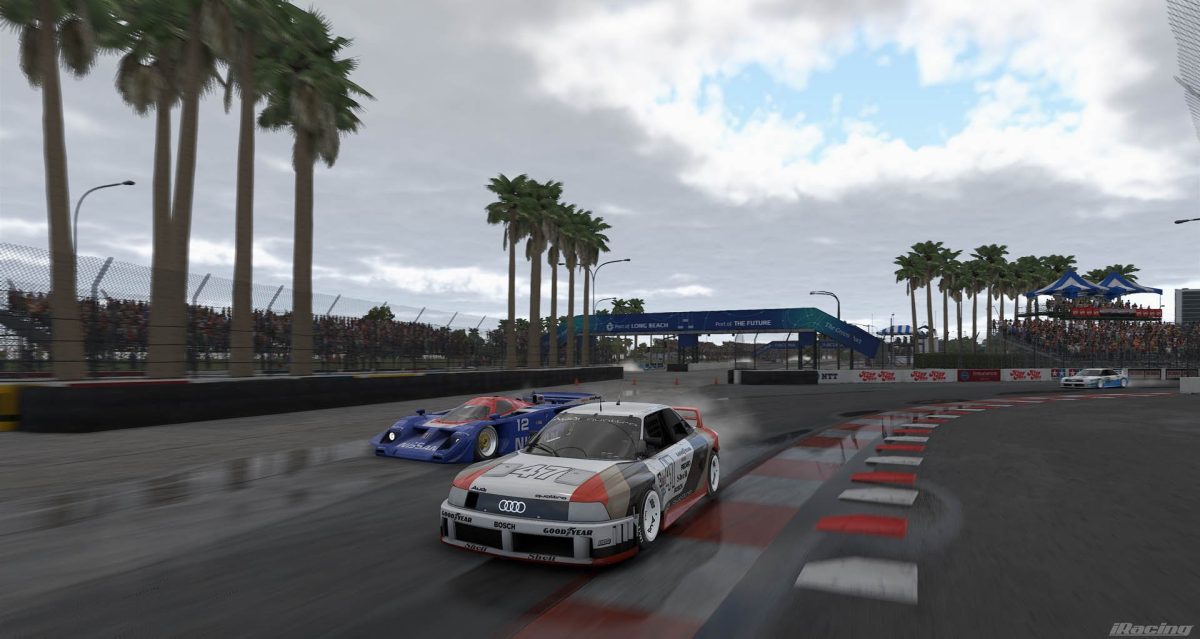
The IMSA Classic 500 ran at Laguna Seca and reminded iRacers what vintage sports car racing actually feels like. Now the community is asking the obvious follow-up: why is this still a one-off? The case for a permanent vintage IMSA series in iRacing is strong. The cars to make it happen are already in the sim.
Also See
➡️ iRacing IMSA Classic 500: Laguna Seca Throwback Guide
The argument starts with what iRacing already has. The DBR9, older-generation sports cars, and GTP-era prototypes are all in the game. So are the tracks: Road Atlanta, Sebring, Daytona, Elkhart Lake, and Watkins Glen. What’s missing is a recurring series that puts them together on a regular schedule.
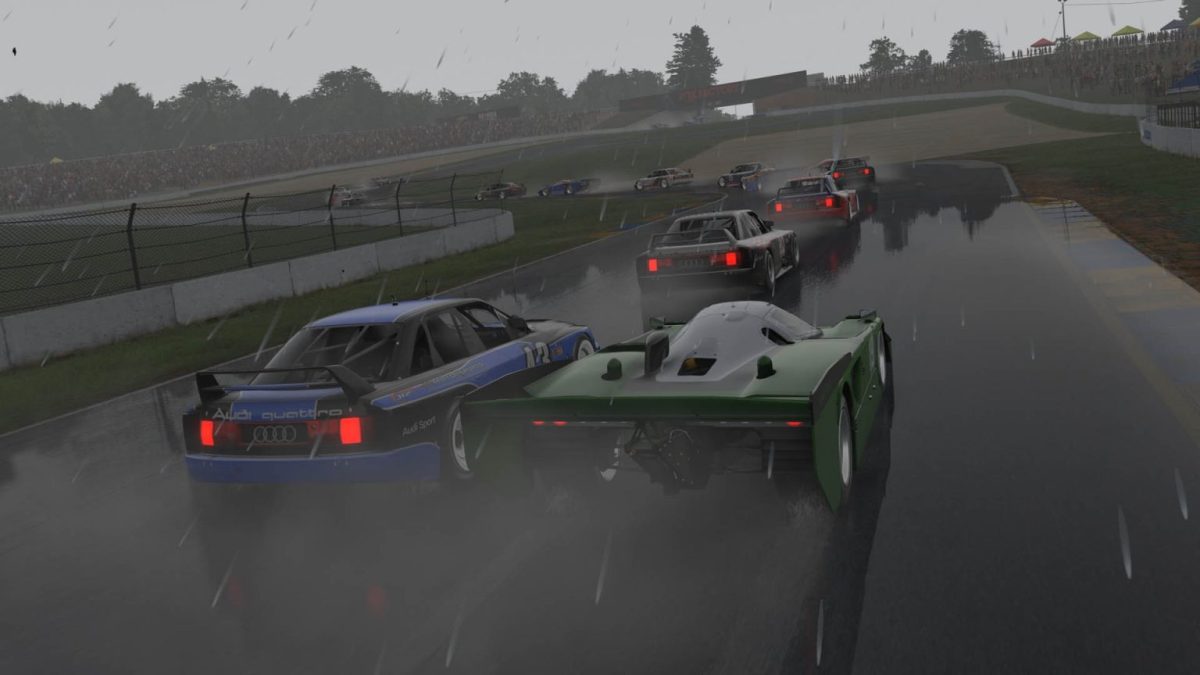
The appeal goes beyond nostalgia. Vintage IMSA cars are technically distinct from the modern GT grid. Additionally, a driver looking for organized competition in classic prototype iron has to find the right private league. iRacing offers no official series to channel that demand.
The community has been specific about what a permanent vintage IMSA series could look like. Multi-class racing with GTP prototypes and vintage GT cars is the core request. In addition, tracks from the real IMSA calendar of the 1980s and early 1990s are part of the vision. Road Atlanta, Elkhart Lake, and Lime Rock show up repeatedly in these conversations.
For context, iRacing already runs low-overhead series like Legends Cars and the Global Mazda MX-5 Cup. A vintage IMSA tier would not require new infrastructure. It would need a schedule, a license tier, and a commitment to running past the first season. That is a reasonable ask, because similar structures already exist on the platform.
The deeper issue is where drivers actually race. iRacing’s official series structure concentrates participation in ways private leagues cannot match. When content sits outside the official schedule, the community fragments across different servers and events. As a result, a sanctioned vintage IMSA series would pull together drivers who are currently spread thin.
There is also a market case worth making. No other major sim platform runs a dedicated vintage IMSA structure. Furthermore, the audience for 1980s and early 1990s sports car racing is larger than iRacing currently serves. A driver who joins specifically for vintage IMSA content is a different kind of subscriber. They are not the typical GT racer or oval regular.
The IMSA Classic 500 made one thing clear. iRacers will show up for vintage machinery when iRacing gives them a proper series to race in. A permanent series does not need to be a flagship tier. It could sit alongside the current GT content as a focused alternative. However, it would need to be official to matter. The demand is there. So are the cars. The question now is whether iRacing will build the series to match.