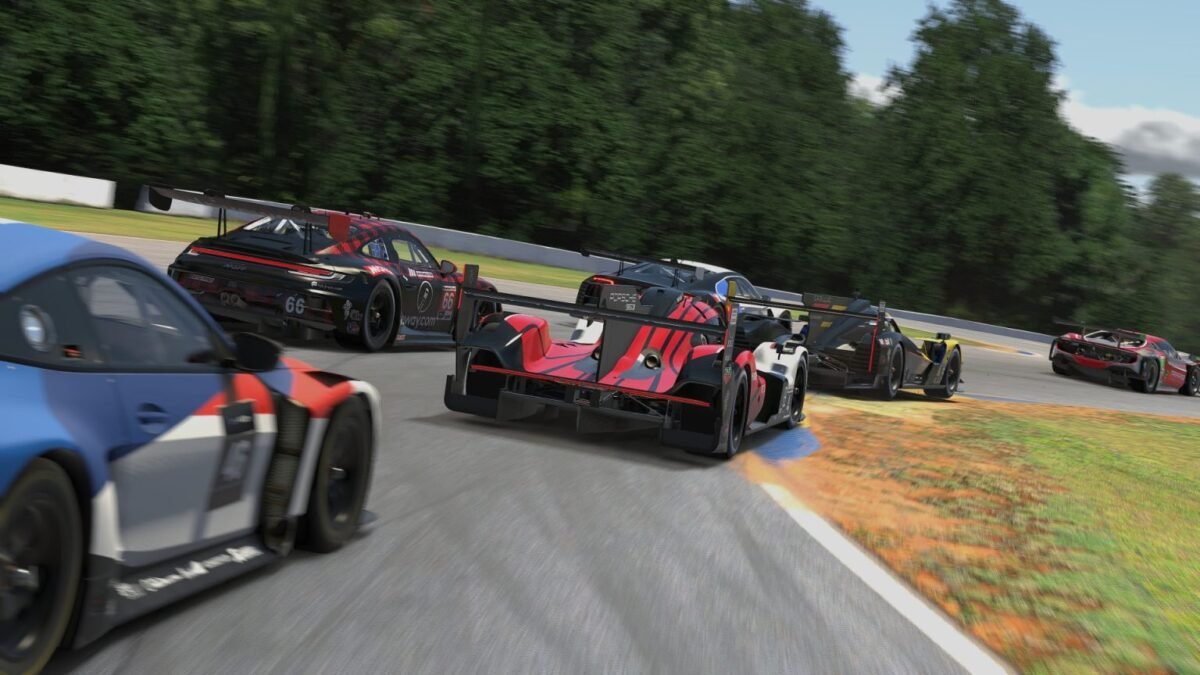
Racing solo in iRacing gives you control over your schedule, your car choice, and your training plan. But team racing adds something different: shared strategy, endurance splits, the knowledge that someone else is depending on your inputs. For a lot of drivers, it becomes the primary way they engage with the sim.
Finding the right team is not just about clicking Join on the first Discord that appears. And if you are running or recruiting for a team, finding the right drivers matters more than finding a lot of them. This guide covers both sides of that equation.
What Drivers Actually Want From a Team
When iRacing community members discuss what makes a team worth joining, a few themes come up consistently.
An active practice culture. The best teams run practice sessions together. Not just hosted sessions where everyone turns laps in isolation, but structured work: comparing setups, reviewing data, talking through sector times. Teams that practice together improve faster and race cleaner with each other. Before joining, ask how often the team runs practice, whether attendance is optional or expected, and whether the sessions have a goal or are purely open wheel time.
Clear communication channels. Most teams run on Discord. But not every Discord server is actually functional. Some have hundreds of members and channels that go quiet for weeks. A healthy team has active channels, regular announcements, and members who respond. Ask to see the Discord before committing. Check when the last message in the race preparation channel was sent. A server where nobody has posted in two weeks is a signal.
A schedule that fits your availability. Team racing requires showing up. The most common source of conflict in iRacing teams is drivers who commit to endurance races and go missing. Before joining, get a clear picture of the race calendar and the expected commitment per event. How many drivers are required per team? What happens if you miss a race? Are there backup drivers available? These questions matter more than the team’s past results.
The right skill level. Teams racing well above your current pace are frustrating for everyone. Teams racing well below it offer little development. The best fit is a team where your pace is competitive within the group: you push each other without constantly holding someone back or getting in the way of faster drivers.
What Teams Look for in Drivers
From a team captain’s perspective, the qualities that matter most are often different from what drivers expect.
Safety Rating and incident consistency, not just raw pace. A driver who can run a top-split pace but picks up two or three incidents per race is a liability in team and endurance racing. Teams want clean drivers. Before applying anywhere, look at your recent race history: what is your average incident count per race? What does your Safety Rating trend look like? These numbers communicate more than a fastest lap time does.
Communication under pressure. How a driver behaves when the race goes wrong matters more than how they behave when it goes right. Teams value drivers who stay calm in voice comms, report what is happening clearly, and do not abandon strategy when their stint gets messy. This is hard to assess before a trial race, but it shows up immediately in how someone handles restarts, safety car periods, and off-pace laps.
Realistic availability. Commitment issues are the most common reason iRacing teams lose members. Be honest about your schedule before joining. If you can realistically commit to two endurance events per season, say so upfront. A team that needs four drivers every round will not be a good fit. A team built around occasional events might be perfect.
Specific car or series experience. Many teams race in specific series. If the team is running GTE at Spa, they want someone who has driven the car before, knows the track, and understands stint management. Mentioning relevant series experience in your application makes the fit clearer for both sides and speeds up the evaluation.
Where to Find iRacing Teams
Several platforms exist specifically for iRacing team discovery. RaceJoin is one of the most widely used tools for finding team slots and potential teammates. Drivers create profiles, teams post openings, and the platform handles initial matching. A full breakdown of how it works is in our RaceJoin review. ApexMatch operates on a similar model and is worth checking alongside it. Our ApexMatch review covers the key differences between the two platforms.
Beyond dedicated platforms, the iRacing forums have a driver and team listings section. Series-specific Discord communities often have recruitment channels. If you race in a particular car or series regularly, the community around that series is often the best place to find a team running the same calendar and the same events you care about.
Red Flags to Watch For
Teams that are always recruiting are often teams that struggle to retain members. If the Discord has 50 members but only 5 appear active, that gap is worth asking about. Low retention usually means the team’s expectations do not match what it delivers, and that mismatch will eventually affect you too.
Teams without a trial process take a risk on you and you take a risk on them. Some kind of evaluation race before formally joining, even just one hosted event, benefits both sides. If a team wants to add you permanently after a single social interaction, ask why they are in a hurry.
Vague descriptions like “casual but competitive” often mean different things to different people. Ask directly: what is the attendance requirement per season? What happens if a driver misses an event? How do you handle pace differences within the team? Clear answers to these questions early on prevent the majority of team conflicts.
How to Apply
When reaching out to a team, lead with your series history, not your fastest lap. Tell them what car and series you have the most experience in, what your Safety Rating looks like, and what your realistic availability is. Attach a link to your iRacing profile so they can verify it themselves.
Ask for a trial race before committing. Most established teams expect this and will appreciate that you asked. It gives both sides a chance to evaluate the fit without the awkwardness of a formal rejection after a long onboarding process.
The Long View
The right iRacing team improves your racing faster than solo grinding can. You get structured feedback, someone to review your data with, and race craft that only develops in close traffic with drivers you know well. Finding the right fit takes a bit of vetting on both sides, but asking the right questions upfront saves a lot of frustration later. A team that fits is one of the best things that can happen to your iRacing development.