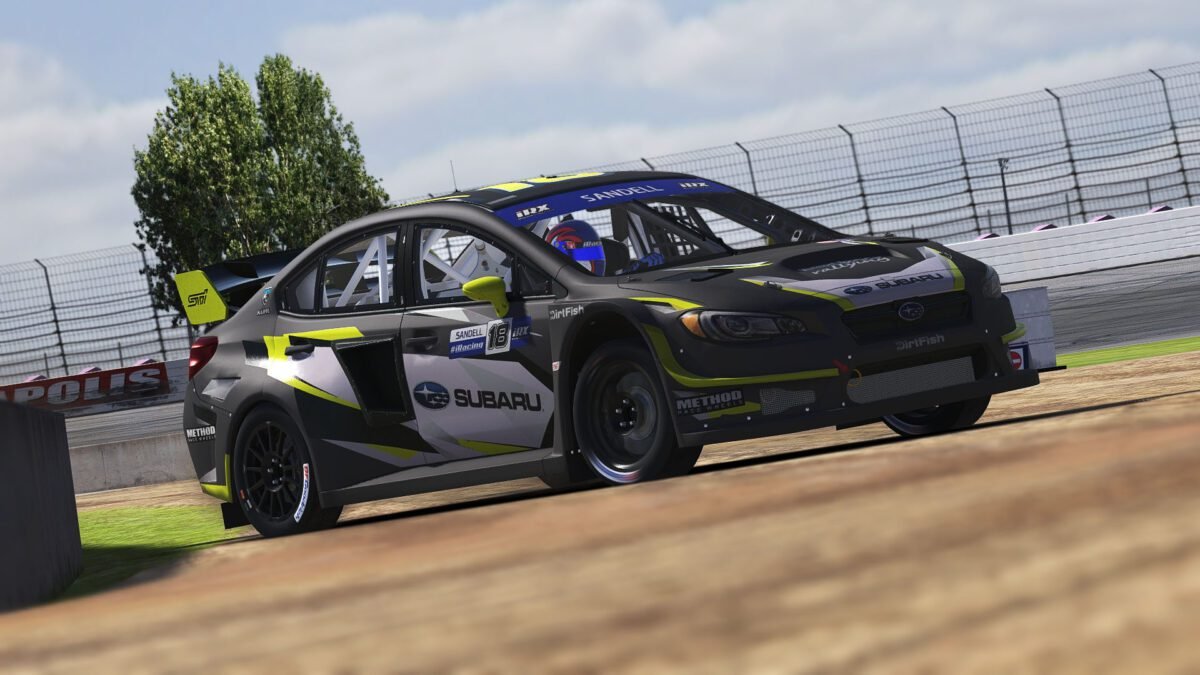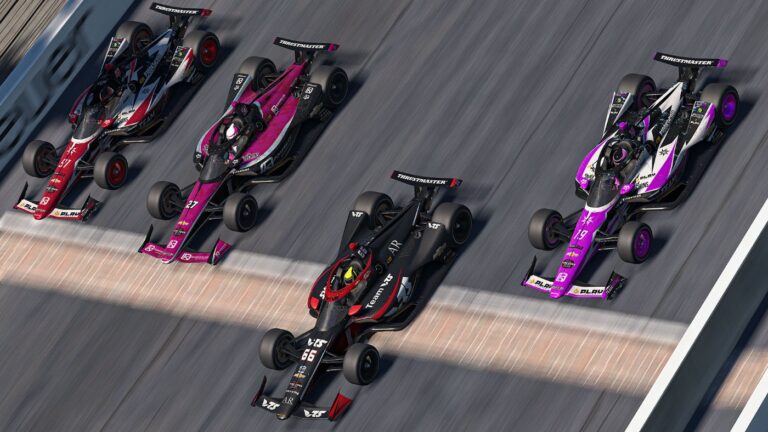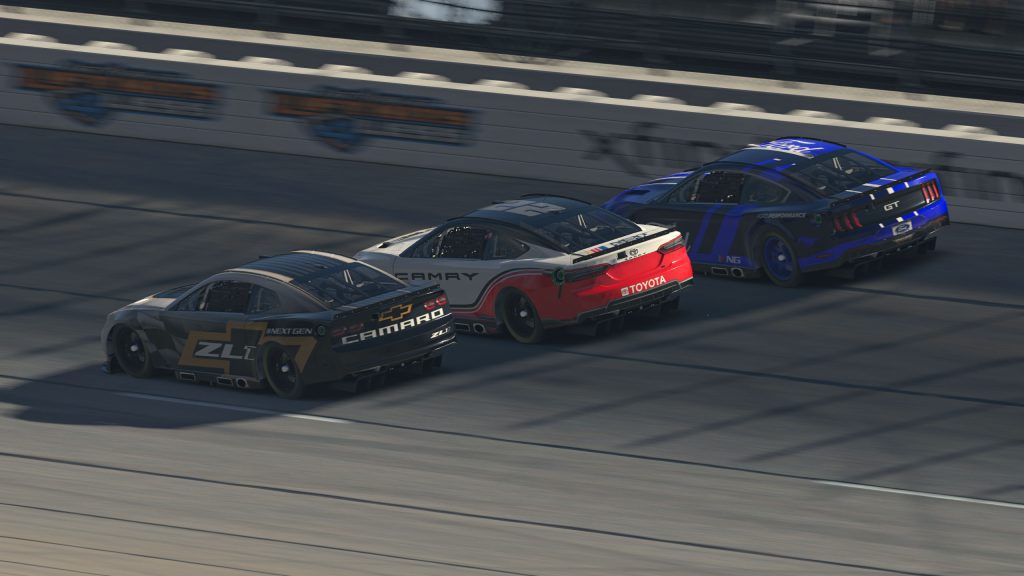
There is a point in most iRacing careers where the standard advice stops working. You have cleaned up your incidents, you are finishing most races without contact, and your laps are consistent enough that you expect the iRating to move. But it doesn’t. Or it moves so slowly that improvement feels like something happening to other people. If you have hit that wall, the question you’re actually asking is how to get better at iRacing beyond the basics — and the answer requires a different kind of work than what got you this far.
The Consistency Plateau: Why You’ve Stopped Improving
Consistency gets you into the midfield. It is a real and valuable skill — not making mistakes while others do is a legitimate way to gain positions in a race. But at some point, the field around you has also cleaned up, and the drivers who keep advancing are doing something you’re not doing yet.
The consistency trap is that it tells you what not to do rather than what to do differently. Staying on track, completing clean laps, keeping incident points low — these are the floor, not the ceiling. When every driver in your split has figured out how to complete a clean race, the differentiator becomes raw pace, and raw pace comes from a different kind of practice than consistency drilling.
Most intermediate drivers know this on some level but do not change their approach because they do not know where to start. The jump from C to B license, or from mid-B to A, is harder than the early progress felt because you are now racing people who have already solved the problems you solved. You need a different set of tools.
Also See
➡️ What Really Improved Sim Racing Lap Times
➡️ Car Control for Beginners in iRacing: The Fundamentals That Actually Make You Faster
How to Get Better at iRacing by Reading Your Own Data
The fastest drivers in your split are almost certainly using more data than you are. iRacing’s built-in tools give you more than most sim racing platforms — lap time deltas, sector splits, incident tracking — but the drivers who keep advancing are comparing their laps to reference laps from faster racers in the same split.
Here is how to get better at iRacing using data you already have access to. After every session, open the replay and watch your fastest lap back-to-back with either a faster driver’s lap or your own personal best from a session when things clicked. Look for three things: where you are at full throttle relative to them, where your braking point starts, and how much rotation you are asking for through the center of the corner.
Apps like iRacing’s native telemetry view or third-party tools like iSpeed, MoTeC, and SimHub’s data overlays let you overlay laps visually and see where time is actually being lost. Most drivers who think their weakness is braking discover it is actually early throttle pickup — they trail brake correctly but open the wheel too early and push wide, forcing a late throttle application that bleeds time on every single lap.
Start with one corner. Pick the corner where you feel least confident, pull the data on it across ten laps, and compare your best lap through that corner to a reference from a faster driver. One corner at a time is the most effective way to build real pace because it is specific and measurable. You will know when you fixed it.
Setup Knowledge, Coaching, and What Intermediate Drivers Miss
Two areas separate intermediate from advanced sim racers that most players underinvest in: setup understanding and targeted coaching.
Setup knowledge does not mean you need to become an engineer. It means understanding two or three adjustments and what they do to car behavior in corners. If you are sliding at corner exit every time you apply throttle, you need to know whether to start with rear anti-roll bar, tire pressures, or differential. If you cannot identify where the car behavior is limiting your ability to get on the throttle, you will continue to drive around the problem rather than fix it.
iRacing community spaces and setup libraries have baseline setups for most cars at most tracks. Downloading a setup from a faster driver and adapting it to your driving style is more productive than either running the default or engineering from scratch. The goal is to understand two or three things the setup is doing for the car and whether those match what your driving style needs.
Coaching is underused because it feels formal or expensive, but in practice it means posting a replay in a community discord and asking a faster driver to spend ten minutes watching you. Most A-class and higher drivers who are willing to help can identify your biggest time loss in two or three laps. A single session of structured replay review with someone faster will show you more than a month of solo practice reinforcing the same habits.
How to Get Better at iRacing When the Mental Game Is the Problem
For some drivers, the block is not technical. If you are fast in practice and slower in races, or if you consistently make mistakes that only appear when positions are on the line, the obstacle is mental rather than mechanical.
Racing under pressure is a separate skill from racing fast. iRacing creates real stakes through iRating, and the awareness of those stakes can trigger responses — rushing braking points, overcorrecting on the first lap, getting into unnecessary incidents fighting for positions that do not matter yet — that do not show up when you are alone on the track.
How to get better at iRacing in this area starts with identifying the specific moment you tend to overreach. Is it the start? Is it defending a position on a particular corner? Is it the final two laps? Once you know the pattern, you can practice that moment deliberately — entering your split late, starting from the back, running specific race starts in practice mode, or focusing on that one variable in isolation rather than trying to solve the whole race at once.
Patience is a skill in iRacing, and so is picking the moments you compete for positions versus the moments you run your race, bank the result, and move on. Both are trainable with deliberate practice.
The drivers who break through the intermediate plateau have not found a secret. They have committed to a more deliberate approach — using data, building setup awareness, getting feedback from faster drivers, and treating the mental side of racing as seriously as the physical. Understanding how to get better at iRacing beyond just being consistent is the next phase of the work. Start with one corner, one session, one replay. That is how real improvement compounds.