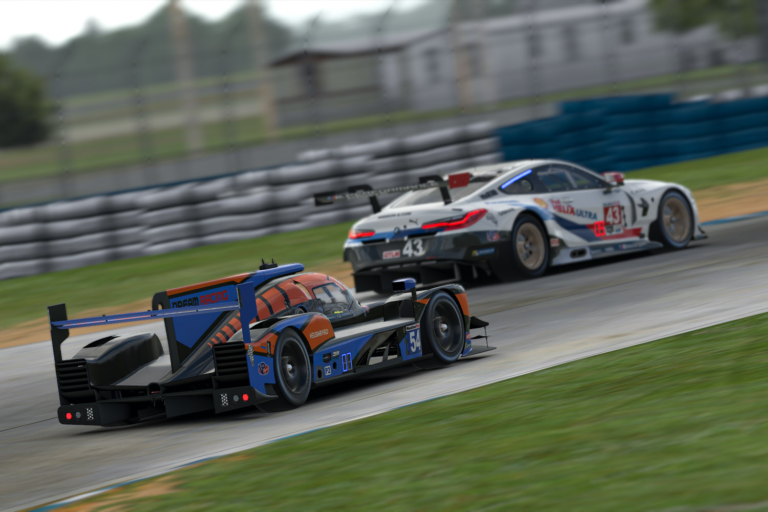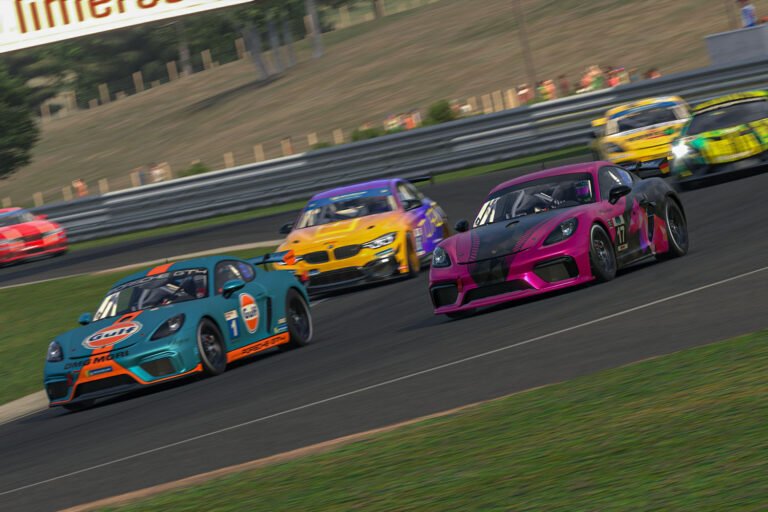
The iRacing GT3 BoP Season 3 update adjusts seven of eleven cars on the roster and leaves four untouched. This is the biggest single-season recalibration the GT3 class has seen in recent memory. iRacing released the changes as part of the June 11 Season 3 build. If you race GT3 seriously, every car you compete against is in a slightly different place than it was a week ago.
Also See
➡️ iRacing Season 3 2026: Full Build Breakdown
🎮 iRacing Official Forums: Season 3 GT3 BoP Thread
How iRacing Applies GT3 Balance of Performance
Balance of Performance exists in real GT3 racing to keep cars from different manufacturers competitive with each other. Without it, engineering budgets would determine race results. In iRacing, BoP follows the same principle. The platform standardizes GT3 cars against a target lap time using a combination of engine power, fuel consumption, weight, and aerodynamics. As a result, no single manufacturer has a built-in advantage from the real-world specifications of the car.
iRacing typically adjusts BoP when official race data shows meaningful gaps opening between cars. A car that keeps falling off the pace may get a boost in the next build. Conversely, a consistently dominant car may receive a small penalty. The adjustments are always small in absolute terms. However, at the competitive level, a 0.5% power change can mean two or three tenths per lap.
iRacing GT3 BoP Season 3: Car-by-Car Breakdown
Chevrolet Corvette Z06 GT3.R
The Corvette picks up the most favorable combination of changes in this update. Power increases by 0.5% and fuel consumption improves by 0.5%. That combination compounds across a race stint. More power means better pace on straights and out of corners. Better fuel consumption means the car can either run longer stints or use leaner fuel maps without giving up lap time. Together, these make the Z06 stronger from start to finish.
McLaren 720S GT3 EVO
The McLaren receives identical treatment: +0.5% power and 0.5% fuel economy improvement. The 720S was already considered one of the more driveable GT3s in iRacing, with strong aero balance and predictable rotation. Additionally, this boost in power and fuel efficiency makes it a legitimate contender in longer race formats where strategy matters. If you have not driven the 720S recently, Season 3 is a good time to revisit it.
Audi R8 LMS EVO II GT3
The Audi gets an aerodynamic rework. iRacing lowered the splitter position and increased downforce slightly. As a result, the car generates more front-end grip, particularly in high-speed corners where the splitter contributes to front downforce. The trade-off is a small drag increase that costs some top speed on long straights. For tracks where high-speed cornering matters more than raw straight-line pace, the Audi benefits from this change.
Lamborghini Huracán GT3 EVO
The Lamborghini receives the same aerodynamic treatment as the Audi: lowered splitter and slightly increased downforce with a corresponding drag increase. The Huracán has historically been a rear-traction-sensitive car in iRacing. Therefore, more front downforce should help it rotate more neutrally and allow drivers to get on the throttle earlier out of tight corners.
Ferrari 296 GT3
The Ferrari 296 receives a small drag increase with no change to power output. This is a targeted reduction in top speed that brings the 296 slightly closer to the field on power tracks. The car has been popular at the competitive level since its introduction. Furthermore, the drag increase means more fuel burn on tracks with long full-throttle sections, which adds a strategy element that was not there before.
Ford Mustang GT3
The Mustang GT3 gets a different type of change. iRacing moved the aerodynamic balance rearward, which means less front downforce relative to the rear. In practice, this shifts the car toward more understeer on corner entry. However, a rearward aero balance also increases rear stability under braking and on high-speed entries. Mustang GT3 drivers will want to spend time on setup after this change before jumping into race sessions.
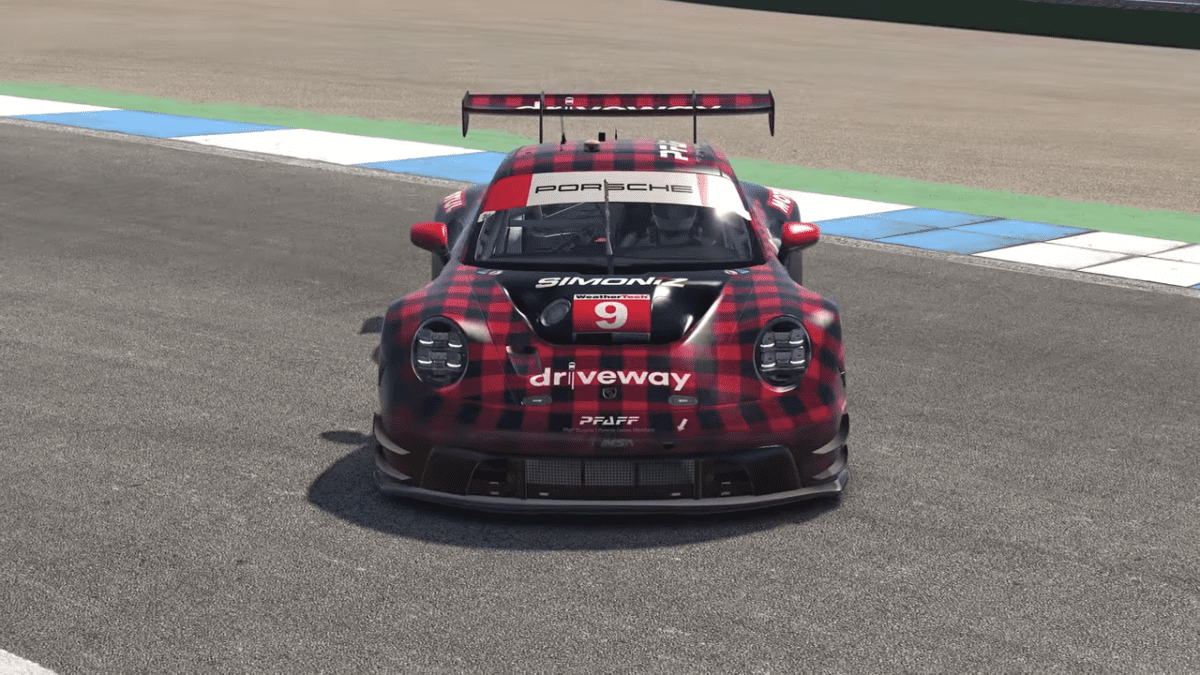
Porsche 911 GT3 R (992)
The Porsche receives a drag increase, similar to the Ferrari adjustment. The 992 has been one of the most discussed GT3 cars for pace in recent seasons. iRacing is pulling it back slightly on tracks with extended flat-out sections. Consequently, the gap between the Porsche and the rest of the field should narrow on high-speed circuits where the old drag figure gave it an edge.
No Changes: Acura, Aston Martin, BMW, Mercedes
Four cars received no BoP changes this season: the Acura NSX GT3 Evo22, the Aston Martin AMR Vantage GT3 EVO, the BMW M4 GT3 EVO, and the Mercedes-AMG GT3 2020. These cars are presumably sitting close enough to the target lap time that no adjustment was needed. Of those four, the BMW M4 GT3 EVO has consistently drawn positive community feedback and appears to be in a strong position relative to the field heading into Season 3.
Community Reaction to the Season 3 GT3 Changes
Beyond the BoP table itself, drivers posting in the iRacing forums noted that the GT3 class feels substantially different overall in Season 3. The change is broader than power and aero adjustments. iRacing improved traction control and ABS behavior across the GT3 class as part of the Season 3 physics update. According to drivers testing in the first days post-patch, TC and ABS now work more consistently through the full life of the tire, rather than degrading in effectiveness as tire temperatures rise.
One driver described the cars as finally feeling like race cars rather than exercises in traction management. A second noted that the tire heating problem that had affected GT3s in previous seasons appears reduced. However, some drivers feel the TC is now slightly too intrusive on aggressive settings. The consensus from early testers is that TC level tuning will matter more in Season 3 than it did in Season 2.
Not everyone agrees the physics changes are a pure improvement. A portion of the community prefers to run without TC assistance entirely and argues the changes feel too artificial. Nevertheless, the majority of feedback in the first week of Season 3 has been positive. Several drivers reported personal bests in their first sessions on the new build.
What to Do Before Your Next GT3 Race
Season 3 is a good time to re-evaluate your GT3 car choice if you have been locked in on one chassis. The BoP changes are small in isolation, but the TC and ABS improvements may mean a car that felt tricky before now suits your driving style better. Furthermore, the Corvette and McLaren picking up both power and fuel economy makes those two cars worth a fresh test session if you have been undecided.
For setup, the aero changes on the Audi and Lamborghini may require front wing adjustments to dial in the new balance. Mustang GT3 drivers will want to check their aerodynamic balance numbers after the rearward shift. Additionally, the cars that received drag increases, Ferrari and Porsche, may benefit from reducing wing angle slightly to recover some of the lost top speed on fast tracks. Run a full test session before racing if your go-to setup was dialed in on the Season 2 build.