Season 3 includes two upgrades most iRacers will never see in a screenshot. But many of them will feel the difference. The iRacing physics update Season 3 introduces a multi-threaded physics engine and a redesigned pit speed enforcement system. Neither is flashy. Both matter.
Also See
➡️ iRacing Season 3 2026: Every Car, Track, and Feature Announced
🎮 iRacing Dev Blog: Season 3 Preview
How the iRacing Physics Update Season 3 Works
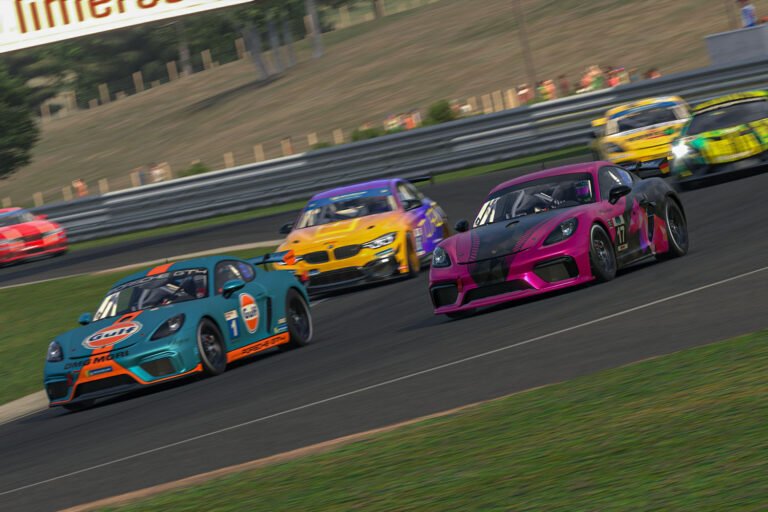
Until Season 3, iRacing processed car physics on a single CPU thread. The sim worked through calculations in sequence, regardless of how many cores your machine had. The iRacing physics update Season 3 changes that. Physics processing now spreads across multiple threads. Multi-core processors can use more of their available capacity when handling a full grid.
According to iRacing, CPU usage drops by half or more across a wide range of hardware in full AI or remote-car sessions. That is a substantial reduction for something that has been a consistent bottleneck for years. The gains scale with car count. A single car on track shows less improvement. But iRacers running large AI fields, full hosted events, or busy practice sessions will notice the headroom open up considerably.
If you have noticed stutters or frame pacing issues in busy sessions, this update is the most likely fix. iRacing was measured in how it described the expected gains. Real-world results will vary by hardware, CPU generation, and session type. Run your own sessions and see what changes.
Why This iRacing Physics Update Matters Long-Term
The multi-threading work is also significant as a foundation. iRacing has been explicit that this is a building block. The goal is to increase the physics tick rate and improve force feedback output frequency. Both have been on the roadmap for years. Both carry real implications for sim feel and precision.
The Season 3 update does not deliver those improvements directly. But it removes the architectural barrier that was preventing them. The long-term value of this work goes well beyond what the Season 3 notes describe.
The Pit Speed Enforcement Redesign
iRacing has also completely redesigned pit speed enforcement. The previous system applied the pit lane speed limiter inconsistently. Drivers could get caught out in ways that felt unpredictable. The new system uses a PID controller targeting the maximum allowable speed. The result is smoother and more consistent behavior on pit road.
In practice, the recommendation is simple. Select your gear before entering the pit lane. Choose a gear that keeps the engine in the middle of its RPM range. Hold full throttle and let the limiter control speed. Avoid shifting while the limiter is active. A brief overspeed can trigger a penalty. A short overspeed when accelerating from a stop is normal and has been accounted for in enforcement.
Neither the physics update nor the pit speed redesign will make the Season 3 highlight reel. New cars and rescanned tracks take that spotlight. But both fix friction points that have affected daily racing for a long time. Smoother CPU performance in large sessions and more predictable pit lane behavior make iRacing more consistent for everyone. Both ship with Season 3, available now.