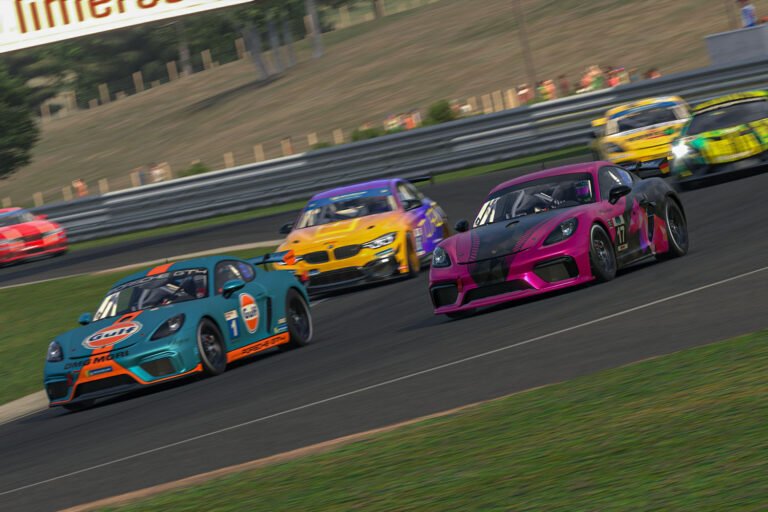
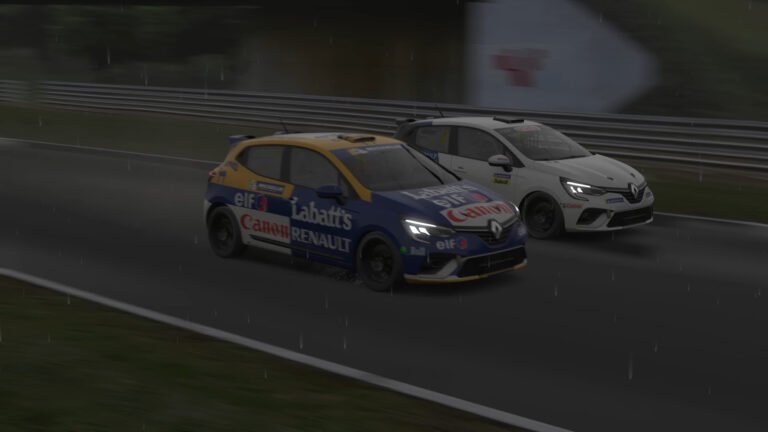
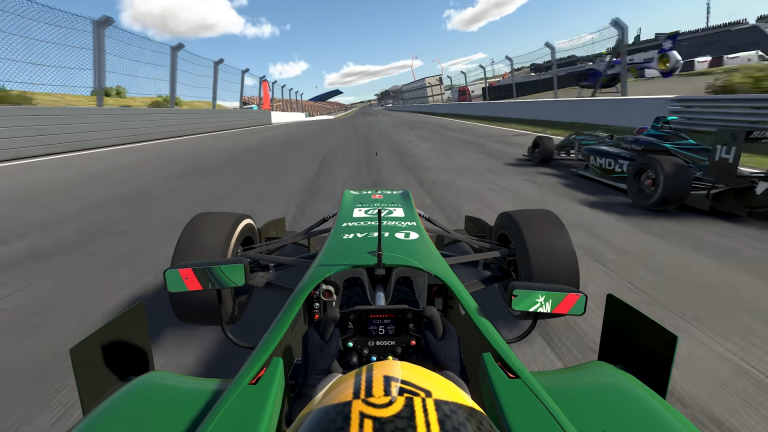
iRacing’s incident system assigns points for every on-track collision, regardless of fault. When your car contacts another, both drivers receive incident points that reduce your Safety Rating. That Safety Rating determines your license class and which official series you can enter. The automatic system makes no attempt to assign blame, and that design is intentional. Understanding how it works is essential before evaluating how iRacing reckless driving incidents are actually handled.
Also See
➡️ Understanding iRacing’s Incident System and Safety Rating
📋 iRacing community debate: recklessness vs. malice
The protest system operates as a separate layer on top of the automatic SR system. When you submit a protest, iRacing staff review video evidence and decide on the outcome. That outcome can be a suspension, a warning, or no action. This is where the reckless versus malicious distinction becomes central. iRacing’s sporting code separates careless but unintentional driving from deliberate wrecking. Reckless driving typically falls below the threshold for a penalty. This covers situations where a driver pushes limits or makes mistakes without intending to cause harm. Malicious incidents are handled differently. When a driver clearly and intentionally causes a collision, iRacing treats that as a sporting code violation. The penalty can result in a suspension.
This distinction frustrates many iRacers, particularly those in lower splits where contact is frequent and rarely comes from a deliberate place. Consider a driver who tailgates at race speed or divebombs a corner. That driver may not have intended to cause damage, yet their line still forces another car into the wall. However, the result is the same. Your car is damaged and your race ends early. When you protest, the response comes back that no malicious intent was found. For those drivers, that outcome feels like a direct contradiction of what iRacing promises.
The reasoning behind the distinction has a practical logic to it. Reckless driving is difficult to punish through a protest system. It involves judgment calls about driver skill and situational awareness, not clear evidence of intent. A lunge that wipes someone out in Turn 1 could be an honest mistake or a calculated move. Without definitive evidence of intent, penalizing the move risks suspending drivers for aggressive racecraft rather than deliberate destruction. Because of this, iRacing leans on the Safety Rating system to handle reckless incidents automatically. If a driver consistently causes contact through recklessness, their SR suffers alongside their victims, and over time they face license resets and series restrictions.
In practice, the SR system does create some accountability, though the mechanism is slow and impersonal. A reckless driver will eventually find themselves cycling through license resets or locked out of certain series. However, the system does not restore the races they ruined along the way, refund session time, or acknowledge who was at fault. The accountability is structural rather than targeted, which is a real limitation for drivers who experience repeated incidents in the same sessions.
The community debate around this topic reflects a genuine tension in how iRacing positions itself. The platform markets clean, serious sim racing as part of its identity. Drivers who invest in multiple cars and tracks reasonably expect driving standards that match the price they pay. The realistic experience, particularly in lower iRating splits, often runs significantly dirtier than the marketing implies. Understanding what the protest system actually handles changes how you evaluate the platform. It covers intentional misconduct, not poor racecraft.
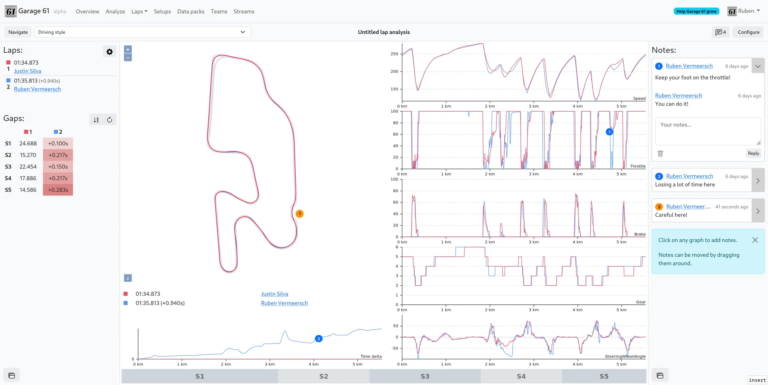
There are practical steps that reduce your exposure to reckless incidents. Racing in hosted and league events with active moderation removes the problem almost entirely, since there is a human moderator with real consequences to enforce. The official series improve considerably as your iRating climbs. Faster drivers have more to lose from contact and generally manage race situations more cleanly. Additionally, using the incident review tool to study your own clips, rather than just others’, sharpens how you position your car and reduces how often reckless driving around you ends your session.
The distinction between reckless and malicious driving in iRacing is a deliberate design choice about what a protest system can consistently enforce at scale. For you as a subscriber, the enforcement burden for reckless incidents falls on the automatic Safety Rating system rather than on staff reviews. Knowing that changes how you set expectations for the platform and where you focus your energy when something goes wrong on track.