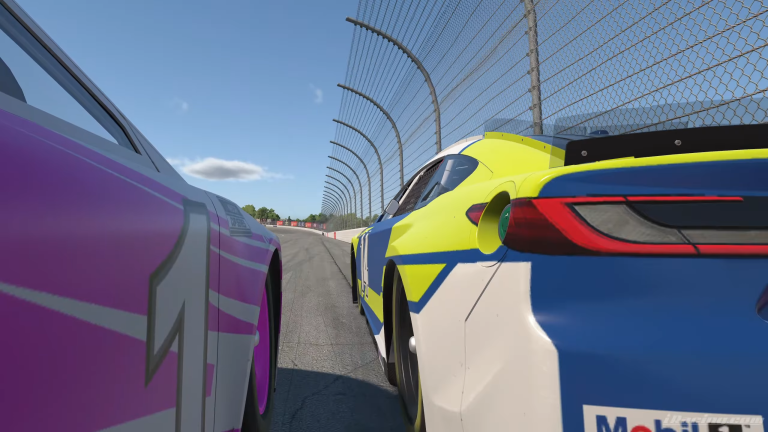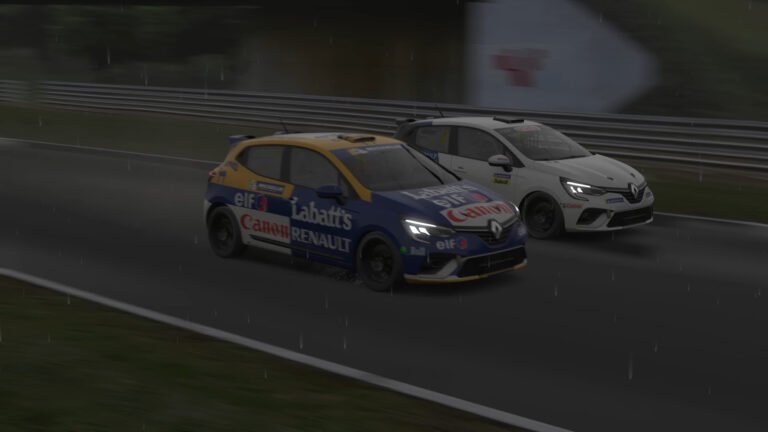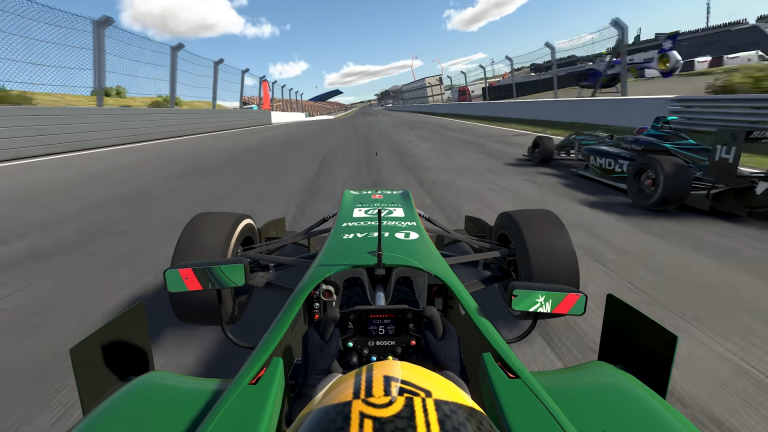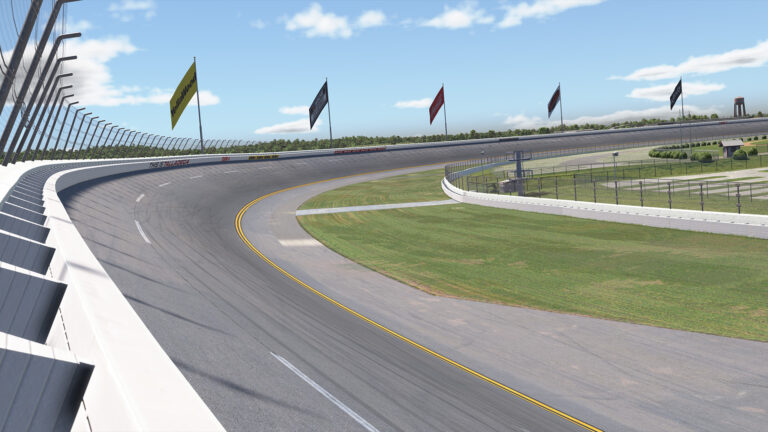
The iRacing content catalog is enormous and most of it is fine. But fine is not the same as worth your money right now. There are a handful of cars that consistently deliver more race participation, more skill development, and more actual fun per dollar than anything else on the platform. These are the five cars to buy in iRacing worth prioritizing, along with what you actually get from each one.
The Mazda MX-5 Cup – Start Here, No Exceptions
The MX-5 comes free with your subscription, so this is less of a purchase recommendation and more of a directive: actually use it before you buy anything else. The Street Series and fixed-setup MX-5 Challenge run consistent full grids at all hours. The car is forgiving enough to learn racecraft without punishing every mistake, and the racing is close. It is one of the most competitive fields on the platform for a beginner series. You will finish last a lot. So will everyone else at first. The series format means there is always another race in under 30 minutes, so the feedback loop is fast.
If you are new and wondering when to upgrade – spend time here first. You will know when you have learned everything it can teach you, and that usually takes longer than you expect. Most drivers underestimate the MX-5 Cup by at least a full season. Treat the upgrade as something you earn from the car, not a date you schedule.
The Skip Barber Formula 2000 – Cheap, Painful, and Worth Every Lap
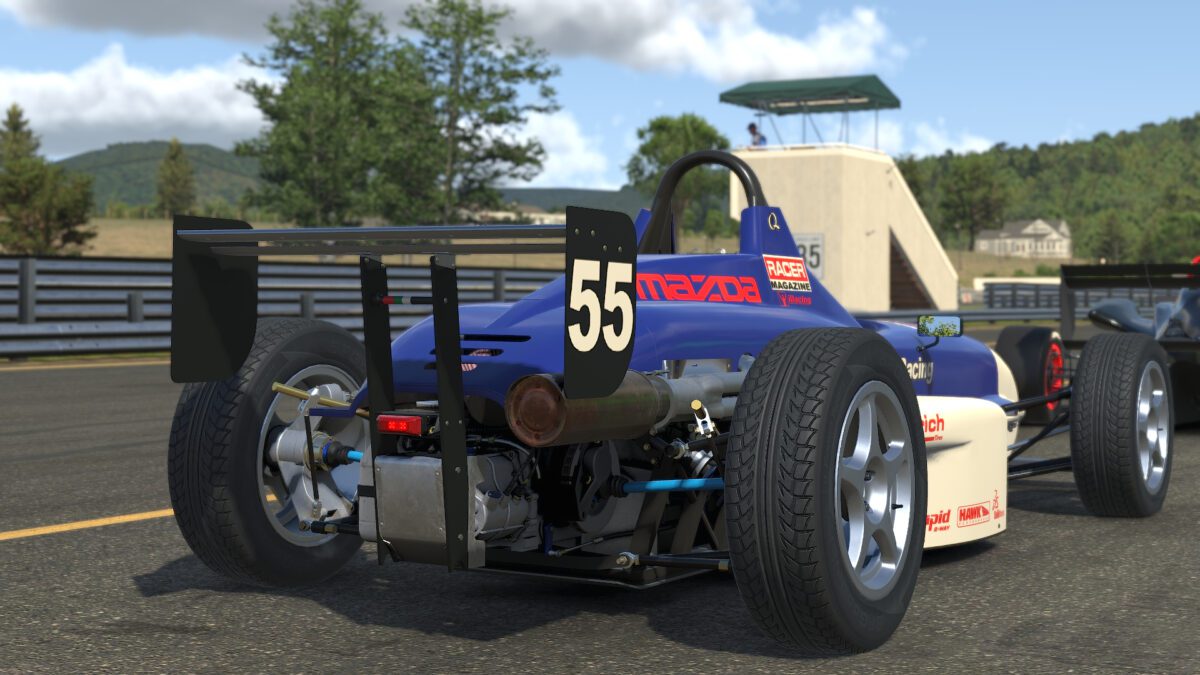
The Skip Barber will find every sloppy input you have developed and refuse to hide it. Open-wheel, no downforce, rear-wheel drive, rear-biased braking. If you lift mid-corner or apply throttle before you are pointed straight, the car will let you know. That is not a problem with the car – that is the point of it.
The series runs at all hours with good depth. The car is cheap relative to the amount of time most drivers put into it. Race participation holds up across most timezones, especially on the shorter circuit configurations where the car rewards mechanical grip over aerodynamic aids. The fundamentals it builds (late apex, patient throttle, proper trail braking) transfer into everything else you drive. The same inputs that make you fast in a GT3 or LMP car start here. The Skip Barber is not glamorous, but it is one of the best purchases on the platform regardless of where your interests eventually land.
The BMW M4 GT3 – The Most Active Class in Road Racing
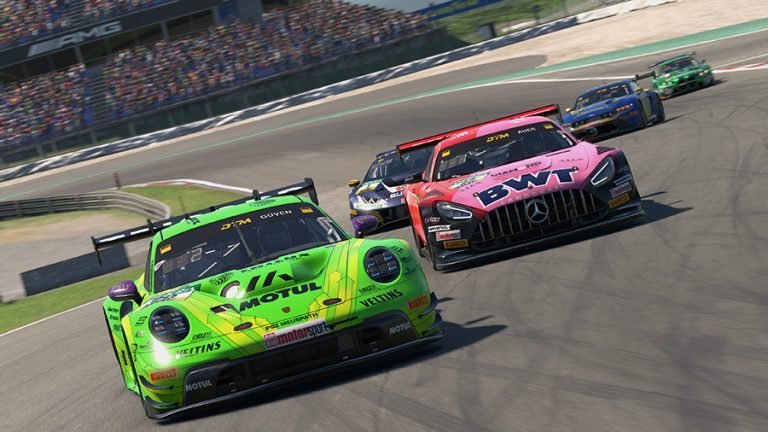
GT3 is the most active road racing class in iRacing by race participation, and the BMW M4 GT3 is one of the cleaner starting points in the category. It does not have the rear-end instability that bites drivers new to the class. The fixed-setup series run constantly. Once comfortable, the race calendar is enormous: sprints, endurance events, and multiclass races alongside prototype classes. That range means you can find your level whether you want a 20-minute sprint at midnight or a two-hour endurance session on the weekend.
A note on GT3: you will hear that the Porsche or Ferrari is the meta choice in the open setup community. For learning the class, it does not matter much. The BMW rewards consistency and does not punish you for being smooth under braking. Get comfortable with the class first, and optimize your car choice once you know what you are doing. Race the car in front of you, not the car on the meta spreadsheet.
The Super Late Model – Oval Entry Point Worth the Cost
If ovals are your goal, the Super Late Model is where you get real seat time in competitive races. It is demanding enough to teach actual oval racecraft – tire management, throttle entry, side-by-side positioning – without overwhelming a driver who is new to the discipline. It runs weekly, which means consistent race availability and a real grid to measure yourself against. The series runs a wide range of oval layouts, so you are not locked into one track type while you develop your skills.
One practical point: oval racing has a steeper equipment learning curve than most new iRacers expect. The car goes where you look, drafting changes your brake points, and tire falloff compounds every mistake. Spend time in the SLM before moving to Cup or Trucks. The drivers who make the jump too early and get overwhelmed usually paid more money for a worse experience.
The Dallara Formula 3 – If Single-Seaters Are Your Direction
The F3 is the entry point for iRacing’s Road to Indy program, which is one of the most structured competitive ladders on the platform. The car has more downforce than the Skip Barber, making it faster and more rewarding once your fundamentals are solid. It is not so planted that it hides problems in your driving. If you already have the Skip Barber done and single-seaters are where you want to end up, the F3 is the logical next step.
If you have not done the Skip Barber yet, do not start here. The F3 is more forgiving and more expensive to make mistakes in than the Skip Barber. That is backwards from how you want to learn.
One More Thing Before You Buy
The temptation when you are new is to buy several cars at once and spread your time across all of them. Resist it. The iRating system rewards race results, not hours logged. Your score is determined by clean, consistent racing, not by how many cars you own. Pick one car, commit to 50 or 60 laps on a single track before you evaluate your pace, and focus on one specific thing per session. The drivers who improve fastest are not the ones who buy everything. They are the ones who get the most out of what they already have. The cars on this list give you the best possible return on that approach.