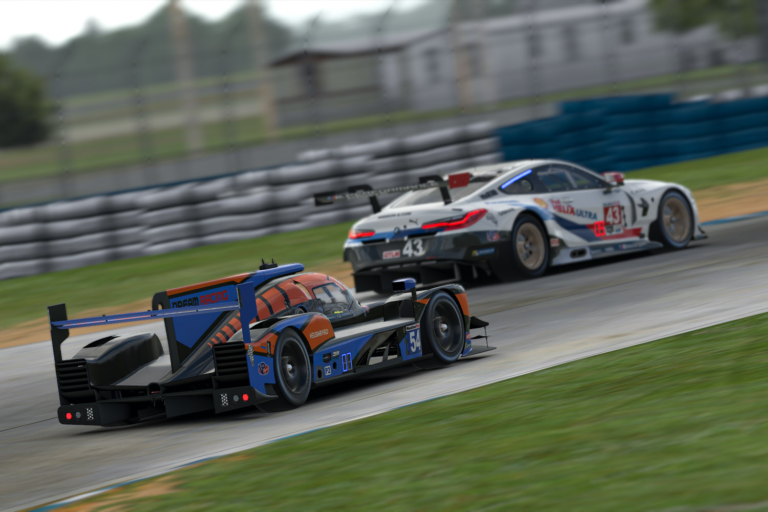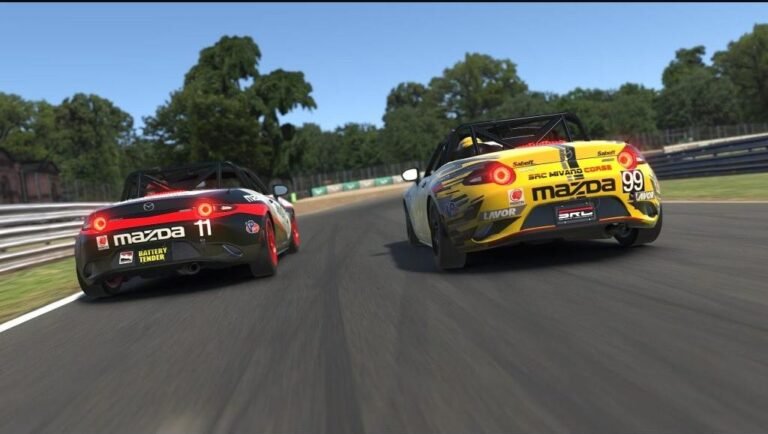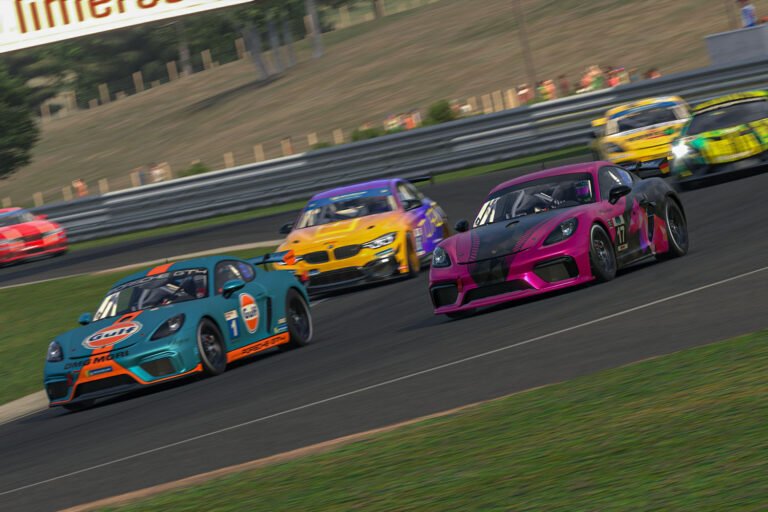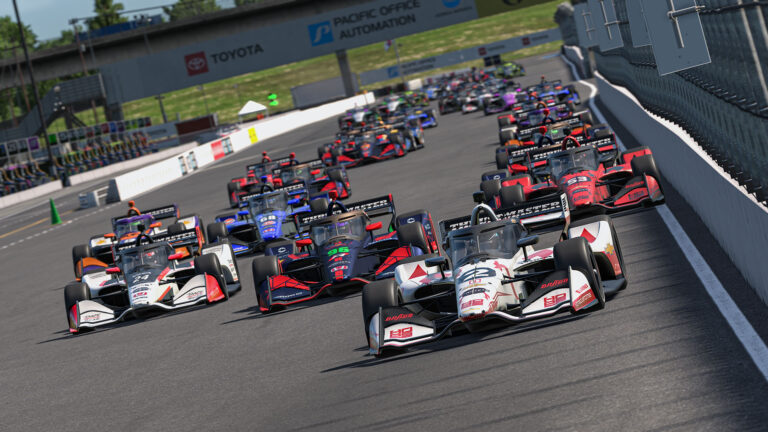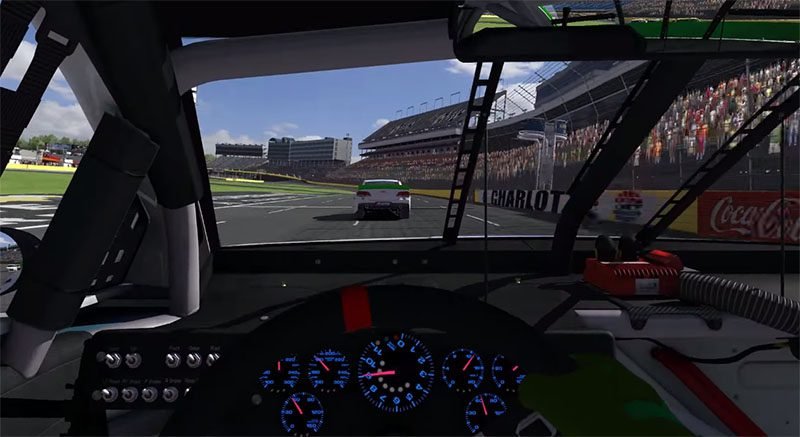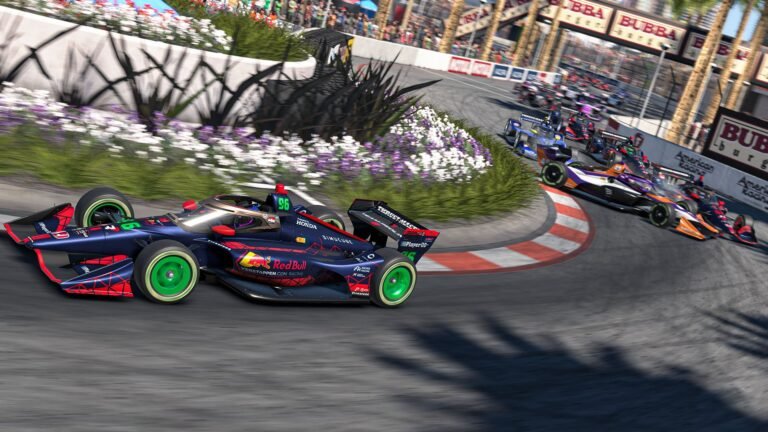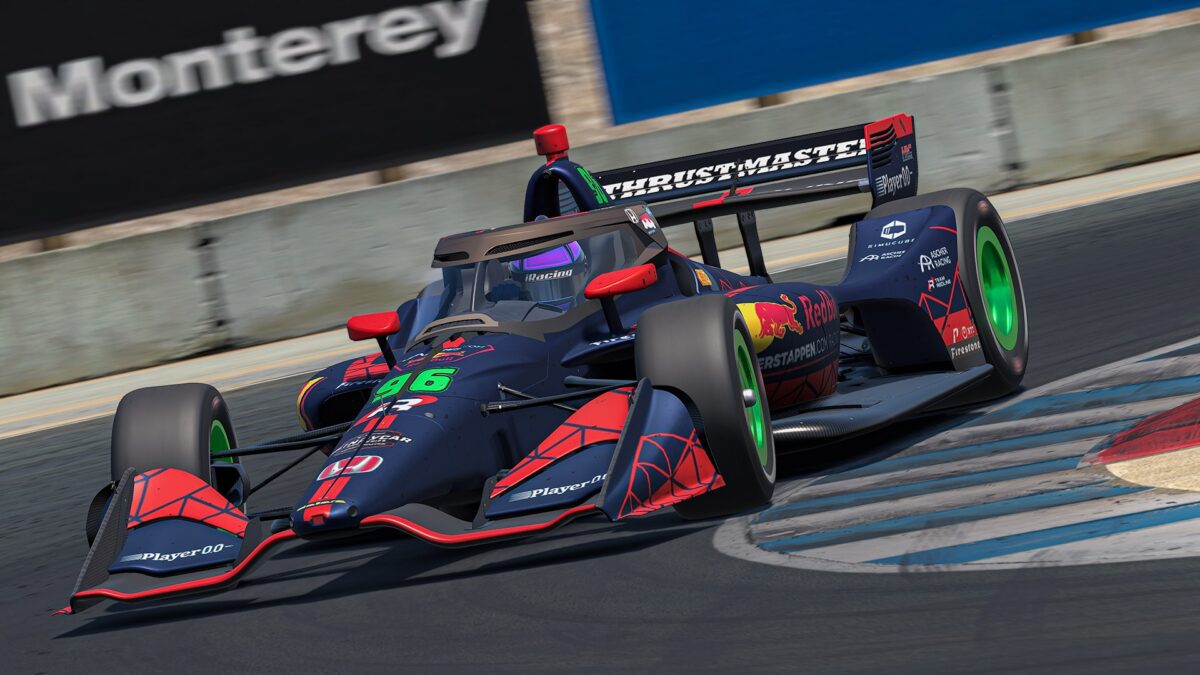
Track Impulse haptics software, one of the most widely used low-latency applications in sim racing, has dropped a major UI overhaul. The app routes iRacing telemetry directly to bass shakers and transducers on your rig. It turns car behaviour data into physical feedback you can feel through the seat and pedals. Community response since the release has been positive.
Also See
➡️ Track Impulse Official Site
Track Impulse processes iRacing telemetry and converts it into vibration signals for bass shakers and transducers. Because the signal processing is low-latency, physical feedback such as kerb rumble, engine vibration, ABS pulsing, and traction loss arrives in sync with what is on screen. That timing precision is what separates it from older audio-routing methods. Older methods often introduce noticeable delay.
The UI overhaul focuses on making the initial setup more accessible. The previous interface was capable but required familiarity to work through efficiently. It was particularly difficult for users configuring haptics for the first time. The redesign consolidates profile management and output routing into a cleaner layout. As a result, the time from installing the app to your first calibrated session is shorter.
Existing users can carry over their saved profiles without reconfiguration. Because the core processing engine has not changed, any calibration that was working before should remain valid. This is a surface-level redesign rather than a rebuild of the signal chain itself.
For iRacers who have been curious about adding haptics but held off because setup looked complicated, this update is a practical reason to take another look. Track Impulse is standalone software with no dependency on SimHub. It communicates directly with iRacing via shared memory and requires no additional applications to run. It is compatible with most USB audio devices and dedicated amplifiers, and runs on Windows with native iRacing support.