If you’ve ever wondered how iRacing chooses content, the answer involves more than community polls or wish lists.
Each new car or track passes through a process of licensing, scanning, technical feasibility, and fan demand before it makes it to your simulator.
From the first handshake with a racing series to the moment a laser scanner hits the pavement, iRacing’s choices reflect both passion and practicality.
➡️Upcoming iRacing Content & Rumors
Licensing and Long-Term Relationships
One of the biggest factors in how iRacing chooses content is its network of real-world relationships.
Developers stay in constant contact with NASCAR, IMSA, Porsche, IndyCar, and other sanctioning bodies to secure new licenses.
Strong partnerships speed things up — that’s why certain brands appear more often.
Tracks or manufacturers without clear ownership or modern data are harder to sign, which is why some fan-favorite venues stay on wish lists for years.
Scanning and Data Collection
After a deal is signed, iRacing’s scanning team steps in.
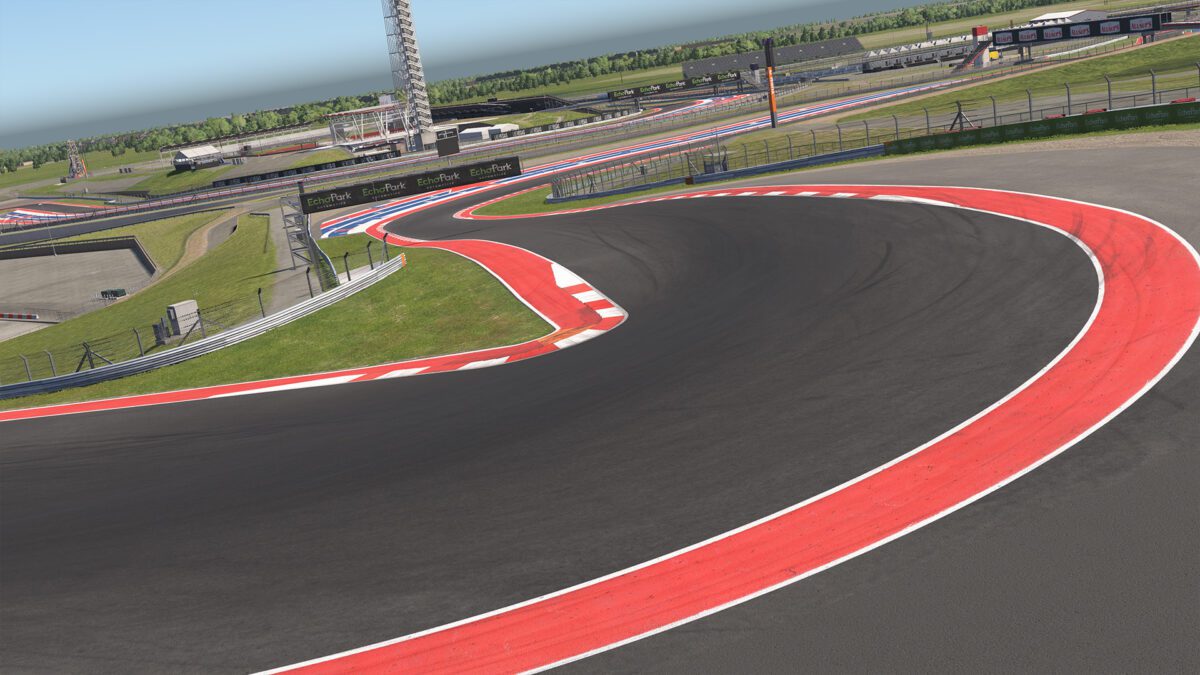
Laser scanners and photogrammetry rigs gather millions of data points from every inch of the venue.
Access can be tricky — events, weather, or renovations often delay scans.
To stay efficient, scanning crews often plan multi-track trips, hitting several venues on the same journey to maximize each opportunity.
These trips are the foundation of how iRacing chooses content — if a location can’t be scanned, it can’t be built.
Production, Physics, and Prioritization
With data collected, the project shifts to iRacing’s art and physics teams.
Developers assess how new content fits into the sim’s broader lineup.
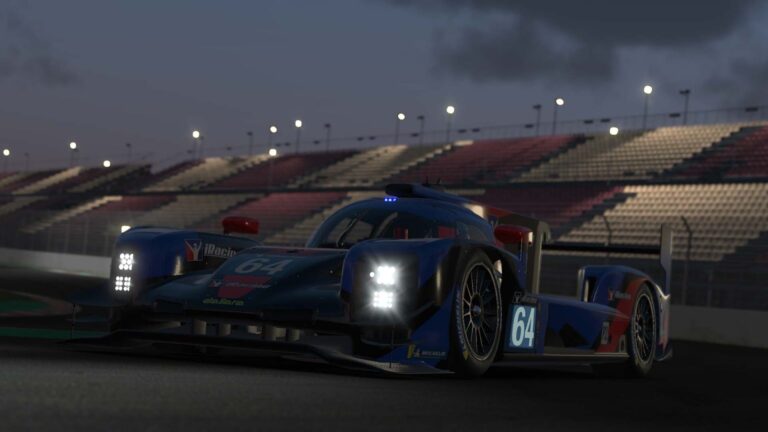
For example, a GTP car might wait until a matching class or tire update is ready.
Similarly, a street circuit could be delayed if it needs new lighting or crowd models from the latest engine build.
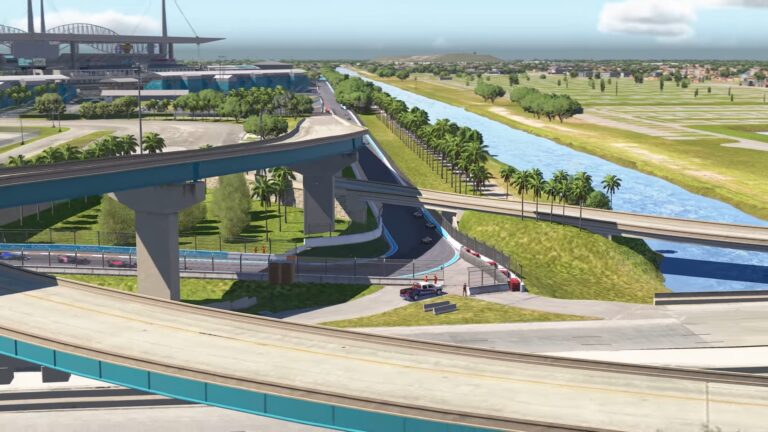
This internal balancing act explains why some projects — like Adelaide or Miami — take over a year from scan to release.
Balancing Community Demand
Community requests still influence how iRacing chooses content.
Grassroots campaigns such as #ScanSalem or Dale Jr.’s push for North Wilkesboro have proven how powerful the fanbase can be.
When licensing and logistics align, popular requests often jump ahead in the schedule.
But the team also looks for diversity — mixing high-profile international venues with local ovals and dirt tracks to serve every discipline.
Timing With Real-World Motorsport
iRacing’s decisions often align with real racing schedules.
The L.A. Coliseum, Chicago Street Course, and upcoming San Diego Street Circuit all appeared in the sim near their real-world debuts.
Synchronizing releases boosts authenticity and visibility for both iRacing and its partners.
So when you see a new track announced for NASCAR or Formula 1, don’t be surprised if it appears in iRacing soon after.
Technology and Resource Constraints
Even with the best planning, how iRacing chooses content is tied to technology limits.
The next-gen NTMv10 tire model and DirectX 12 graphics engine are in development, and new cars often wait until those systems stabilize.
Hybrid systems, improved AI, and dynamic surface models can delay vehicle projects until the backend tech catches up.
It’s a careful balance between progress and stability — one that keeps each build reliable for racers worldwide.
From Idea to Green Flag
By the time you’re racing a new car or track, it’s been through years of negotiation, scanning, coding, and testing.
How iRacing chooses content is ultimately a blend of licensing access, fan enthusiasm, and timing — all grounded in the team’s obsession with accuracy.
So the next time a developer teases a new scan trip, you’ll know exactly what’s going on behind the curtain.