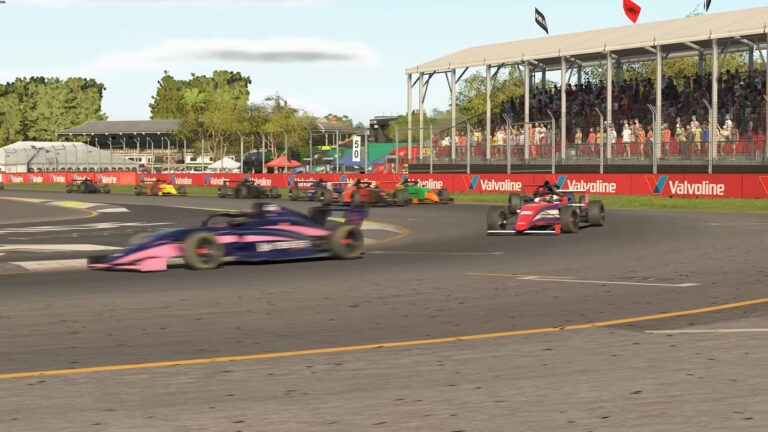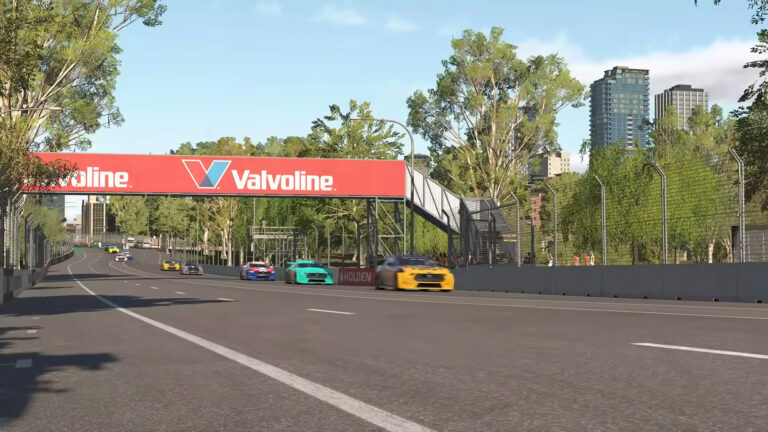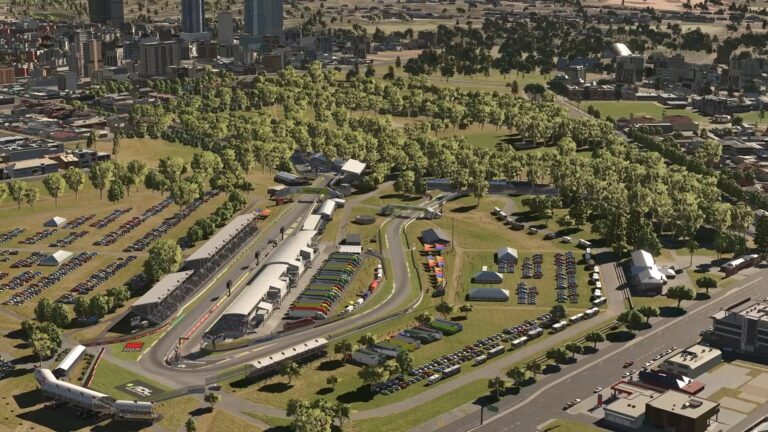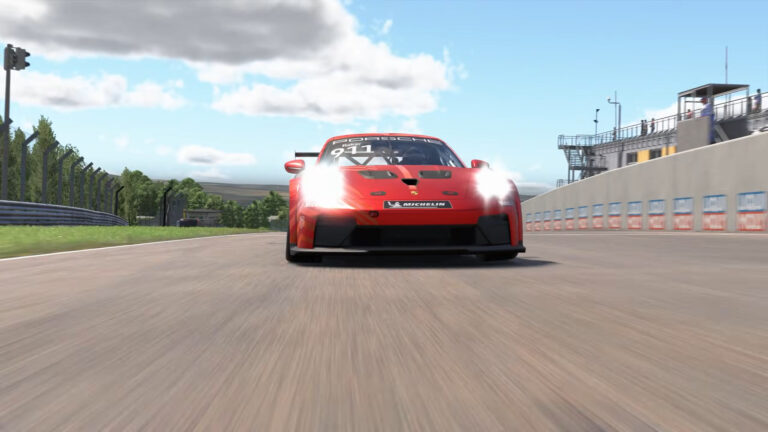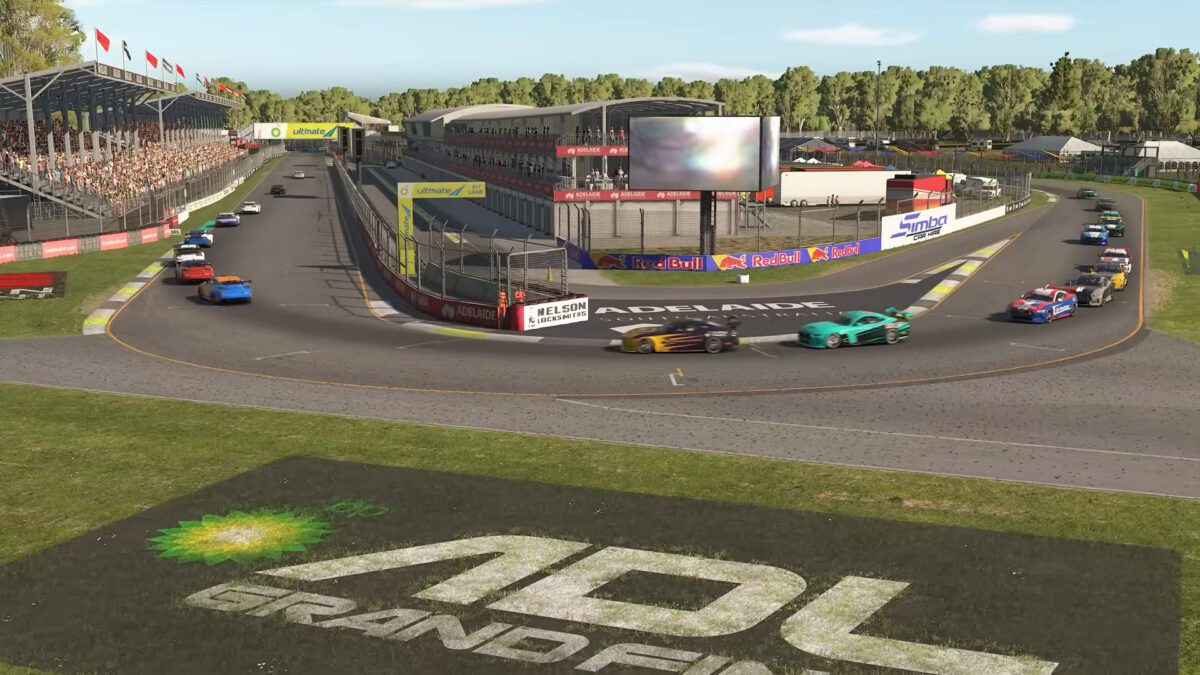
Mastering the parklands of South Australia requires more than just raw speed; it requires a comprehensive Adelaide Track Guide. As one of the most iconic street circuits in the world, Adelaide is a track where history meets high-speed concrete walls. With its arrival in iRacing for the 2026 Season 1 build, drivers now have the chance to tackle the same streets that hosted legendary Formula 1 battles and modern Supercars thrillers.
Historical Significance: From F1 to Supercars
Any proper Adelaide Track Guide must begin with the circuit’s prestigious past. This venue first hosted the Australian Grand Prix in 1985, instantly becoming a favorite for drivers like Ayrton Senna and Alain Prost. The original layout was famous for deciding world championships, most notably in 1994 when Michael Schumacher and Damon Hill famously collided.
When Formula 1 moved to Melbourne in 1996, the streets of Adelaide didn’t stay quiet for long. The track was revived in 1999 for the Adelaide 500, a cornerstone of the Supercars Championship. This era introduced the modern, slightly shorter layout we race today in iRacing. It is a track defined by its physical toll on the drivers and its reputation as a “punishing” circuit that offers zero room for error.
Adelaide Track Guide: Technical Specifications
The modern configuration of the Adelaide Street Circuit is a technical masterpiece. It blends permanent racecourse sections within Victoria Park with everyday city streets.
- Track Length: 3.219 km (2.0 miles)
- Total Turns: 14
- Surface Type: Mixed asphalt and public road concrete
- Direction: Clockwise
- Major Landmarks: Senna Chicane, Brabham Straight, and the Turn 8 Sweeper.
The layout is notoriously bumpy, reflecting its nature as a temporary street circuit. Consequently, your car’s suspension must be compliant enough to absorb the crown of the road and the aggressive kerbing.
Survival Tips and Racing Characteristics
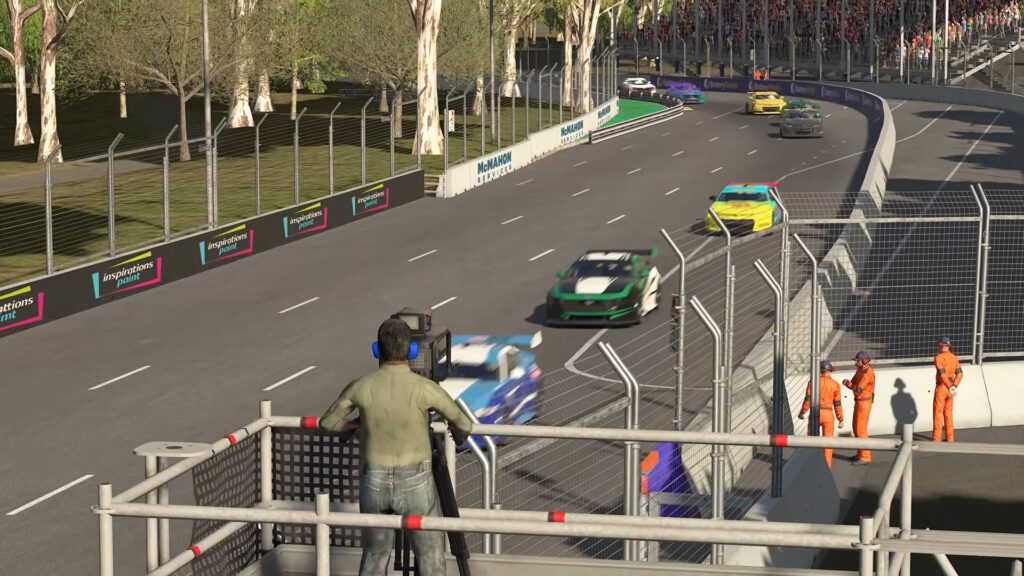
The most vital part of this Adelaide Track Guide is understanding how to survive the “Concrete Jungle.” Unlike traditional road courses with wide runoff areas, Adelaide is flanked by Armco barriers and concrete walls.
The Senna Chicane (Turns 1-3)
This is arguably the most famous chicane in sim racing. To be fast, you must attack the kerbs aggressively. However, taking too much can launch the car into a spin. Finesse is king here; you need to find the balance between jumping the car and maintaining traction.
The High-Speed Turn 8
Turn 8 is a terrifying, high-speed sweeper. It requires total commitment at nearly 250 km/h. In Supercars racing, there is a “gentleman’s agreement” to not go side-by-side here because the risk of a massive accident is so high. In the sim, the turbulence near the wall can pull your car toward the concrete.
Braking and Overtaking
The heaviest braking zone is at the end of the Brabham Straight leading into Turn 14. This is the primary overtaking opportunity. Because the track is narrow, most other corners are high-risk for passing. Be patient and wait for your opponent to make a mistake on the bumpy surface.