iRacing league regulations arrived in Season 3 to give organizers a new layer of control over how their hosted and league events run. The feature, called Series-Specific Sporting Regulations and Branding, lets you apply a specific ruleset to any hosted or league session. Depending on the regulation set you choose, these rules change pit stop procedures, driver aid availability, car branding, and in some cases, engine output. For league organizers running multi-class events, this is the most significant expansion to the hosting toolkit iRacing has added in years.
Also See
➡️ How to Join and Participate in iRacing Leagues
📋 iRacing Series-Specific Sporting Regulations Reference
What Are iRacing League Regulations?
When you open the Race Options section while creating a hosted or league session, you now see a dropdown labeled “Series Rules and Branding.” This is where you select the regulation set for your event. The options in Season 3 include IMSA, NEC, DTM, WSC2017, ROOKIE, INDY, PMNA, NOTC, NOABS, and NOABSTC. Each applies a different set of rules to the cars entered in your session.
You can only apply one regulation set per session. If the selected regulations are not applicable to any car in the event, nothing changes and the session runs on default rules. This matters for multi-class events because only supported vehicles respond to the active regulation set. Cars outside the supported list revert to default behavior regardless of what is selected.
The full list of supported cars includes the GTP class and Ferrari 499P, the active GT3 class vehicles, the active GT4 class vehicles, and the active TCR class vehicles. Also supported are the BMW M2 Racing (G87), the Dallara P217, the Ligier JS P320, and the Porsche 911 Cup (992.2). One important restriction: these regulations are not available in sessions that include AI Opponents or in Test Drive sessions launched from official series events.
How the Regulation Sets Work
The core thing each regulation set controls is the pit stop procedure. By default, iRacing completes fuel service before tire service begins. The IMSA ruleset changes that: fuel and tires are serviced simultaneously, matching the real-world IMSA SportsCar Championship format. That difference reshapes pit stop strategy for anyone running IMSA-style endurance events.
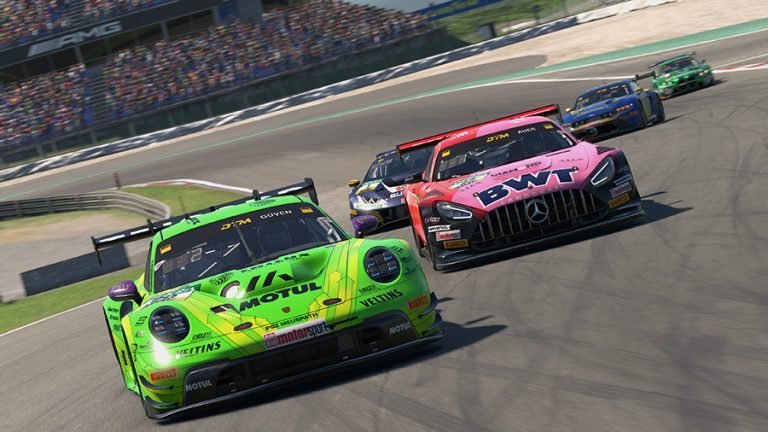
The NEC ruleset also enables simultaneous fuel and tire service. However, fuel delivery happens at the substantially slower rate used in the real Nürburgring pit lane. For leagues running a sim version of the 24-hour or 6-hour Nürburgring, that rate difference affects how long you spend in the box. DTM takes the opposite approach and enables ultra-fast tire changes with additional crew, reflecting the quick stops seen in Deutsche Tourenwagen Masters events.
The WSC2017 ruleset is narrowly targeted at the Dallara P217. It increases the car’s engine output to 600 hp with an 8700 rpm limiter and adds a short stack gear option. iRacing suggests pairing it with a -30kg BoP adjustment in hosted sessions for a more period-accurate 2017-spec LMP2 experience. Outside of the P217, any other cars in the session default back to standard regulations.
Branding and Aid-Control Rulesets
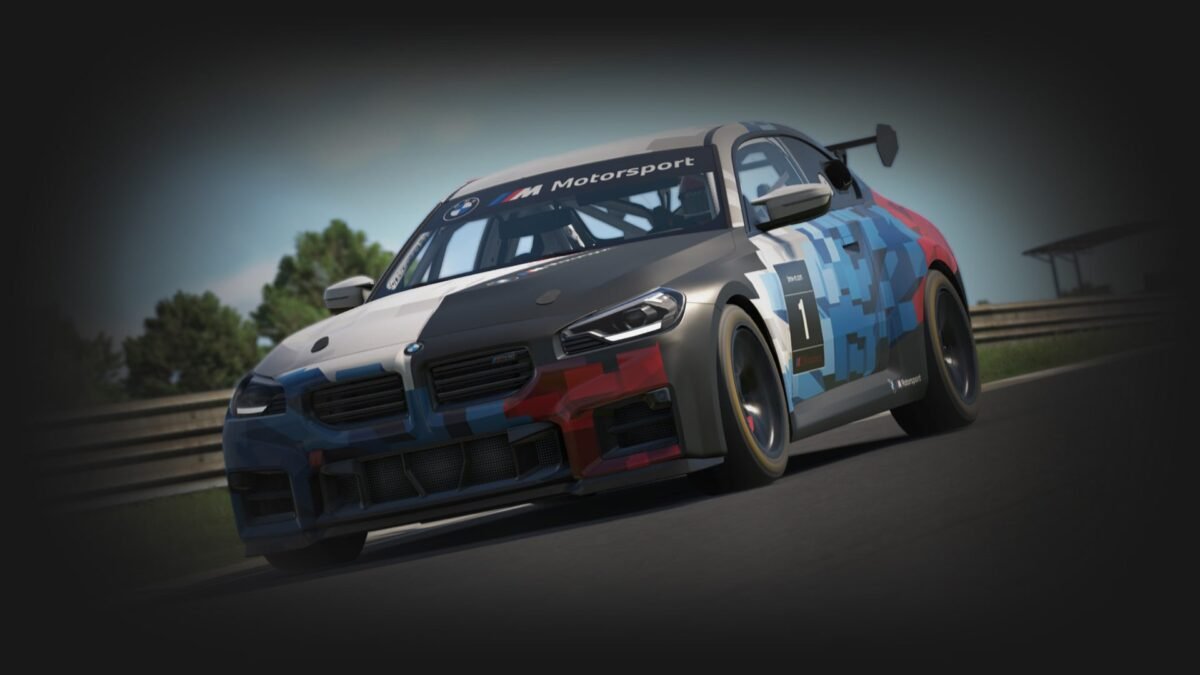
The ROOKIE ruleset locks the BMW M2 Racing (G87) to its lowest power class setting without changing pit stop rules. INDY applies Indianapolis 500 tire branding to the Dallara IR18, DW12, and IR-05, but changes nothing about performance or procedure. PMNA brings Porsche Motorsport North America branding to the 992.2 Cup car, switches to Pirelli-branded tires, and disables Traction Control. The three aid-removal rulesets (NOTC, NOABS, NOABSTC) disable TC, ABS, or both across supported vehicles, which strips modern electronic aids from cars for spec-style events.
For a full breakdown of how pit stop timing differs between regulation sets, see the iRacing Season 3 pit stop rules by series guide we published earlier this season.
Multi-Class Gap Display During Pacing
Season 3 also added a specific UI change that benefits multi-class racing directly: the gap between car classes is now displayed during multi-class pacing stages. When the pace car is out in a GTP and GT3 event, you can now see the time gap between the classes on screen rather than estimating from position alone.
Keeping classes properly spaced during caution periods has always been one of the operational challenges in multi-class events. The gap display gives drivers and race directors better information before the race goes green. It is a small addition, but in a close multi-class field it removes a source of confusion. It also reduces the incidents that happen when a slower class bunches into a faster one at the restart.

More Colors to Tell Car Classes Apart
Another Season 3 change that directly benefits multi-class events: the number of in-sim background colors used to distinguish car classes has been increased. Previously, the color options for class differentiation were more limited. With more choices available, larger multi-class fields are easier to read at a glance, whether you are driving, spotting, or spectating.
For leagues running three or four car classes in a single event, this is a practical improvement. More distinct background colors mean the standings display and race HUD are clearer. When you are managing strategy during a long stint, being able to instantly identify which class a car belongs to without reading the name saves time and reduces errors.
Which Cars Support iRacing League Regulations
Not every car in iRacing responds to the Series-Specific Sporting Regulations. Support is currently limited to the vehicles and classes listed below. Keep in mind that not all rulesets apply to all supported cars, so you need to match the regulation set to the cars in your event.
The GTP class and Ferrari 499P support IMSA, NOTC, NOABS, and NOABSTC regulations. The GT3 class supports IMSA, NEC, DTM, NOTC, NOABS, and NOABSTC. GT4 and TCR classes support IMSA, NEC, NOTC, NOABS, and NOABSTC. The BMW M2 Racing (G87) supports IMSA, NEC, ROOKIE, NOTC, NOABS, and NOABSTC. The Dallara P217 supports IMSA, NEC, WSC2017, NOTC, NOABS, and NOABSTC. The Ligier JS P320 supports IMSA, NOTC, NOABS, and NOABSTC. The Porsche 911 Cup (992.2) supports IMSA, NEC, PMNA, NOTC, NOABS, and NOABSTC. The three Dallara IndyCars support INDY branding only.
After entering a session, go to the Rules tab and look under the Vehicle section to confirm which regulations are active. A tooltip shows exactly what the ruleset is doing to each car class. The same information appears in the fuel and tires blackboxes, so you can check before committing to a pit stop.
Official iRacing Series Using These Regulations
iRacing applied Series-Specific Sporting Regulations to several of its own official series in Season 3. The IMSA Endurance Series, IMSA iRacing Series, IMSA iRacing Series Fixed, IMSA Michelin Pilot Challenge Series, and IMSA Sportscar Endurance Challenge all run the IMSA ruleset. The iRacing DTM Series uses the DTM ruleset. The Nürburgring Endurance Championship runs the NEC ruleset. The BMW M2 Cup by Nitro Concepts runs the ROOKIE ruleset.
Special events are using the feature too. The Watkins Glen 6 Hour and the 6 Hours of Road America both ran with the IMSA ruleset in Season 3. The Petit LeMans is scheduled for the IMSA ruleset in Season 4. These official events validate the regulations feature and signal that iRacing intends to expand the program going forward.
How League Organizers Apply the Settings
When creating a hosted or league session, go to Race Options and find the “Series Rules and Branding” dropdown. Select the regulation set that fits your event. Only one regulation set can be active per session, and it cannot be changed after the session is created.
A few things to keep in mind during setup. The regulations do not function with AI Opponents in the session. They also do not carry over to Test Drive sessions. If you select a regulation set and none of the entered cars are in the supported list for that set, the session runs on default rules with no change. Additionally, a regulation set that targets only one car class leaves all other classes on default behavior. Running IMSA in a GTP-only event applies simultaneous fuel and tire service; adding a non-supported car class to the same session does not extend that rule to the unsupported cars.
What iRacing League Regulations Mean for Competitive Racing
The practical impact extends beyond pit stop timing. Leagues running real-world-inspired series can now match the procedural rules of that series inside the sim. An IMSA-inspired league can apply the actual simultaneous service format. A Nürburgring endurance event can simulate the slow fuel delivery of the real Nordschleife pits. A spec series can strip TC and ABS to put car control entirely in the driver’s hands.
Together, iRacing league regulations, the multi-class gap display, and the expanded class colors add up to a more complete league experience. The regulations handle procedure, the gap display covers situational awareness, and the colors make multi-class fields easier to read at a glance.
The feature launched at limited scope in Season 3 with a defined list of supported cars and regulation sets. iRacing has already indicated it intends to expand it. For league organizers who have spent years working around the limitations of iRacing’s default session setup, that expansion cannot come fast enough.