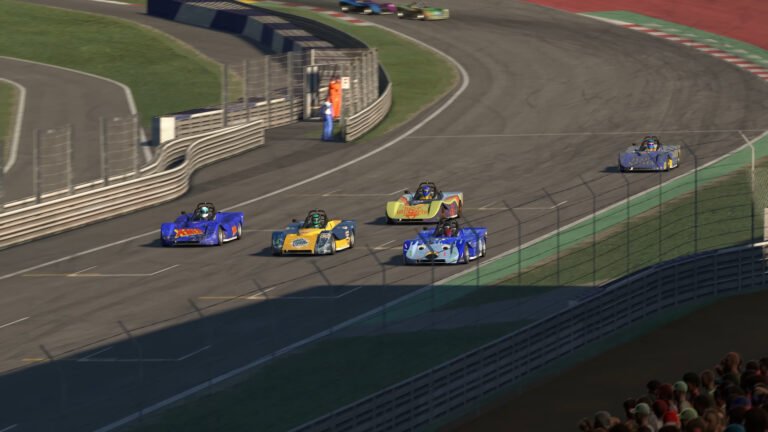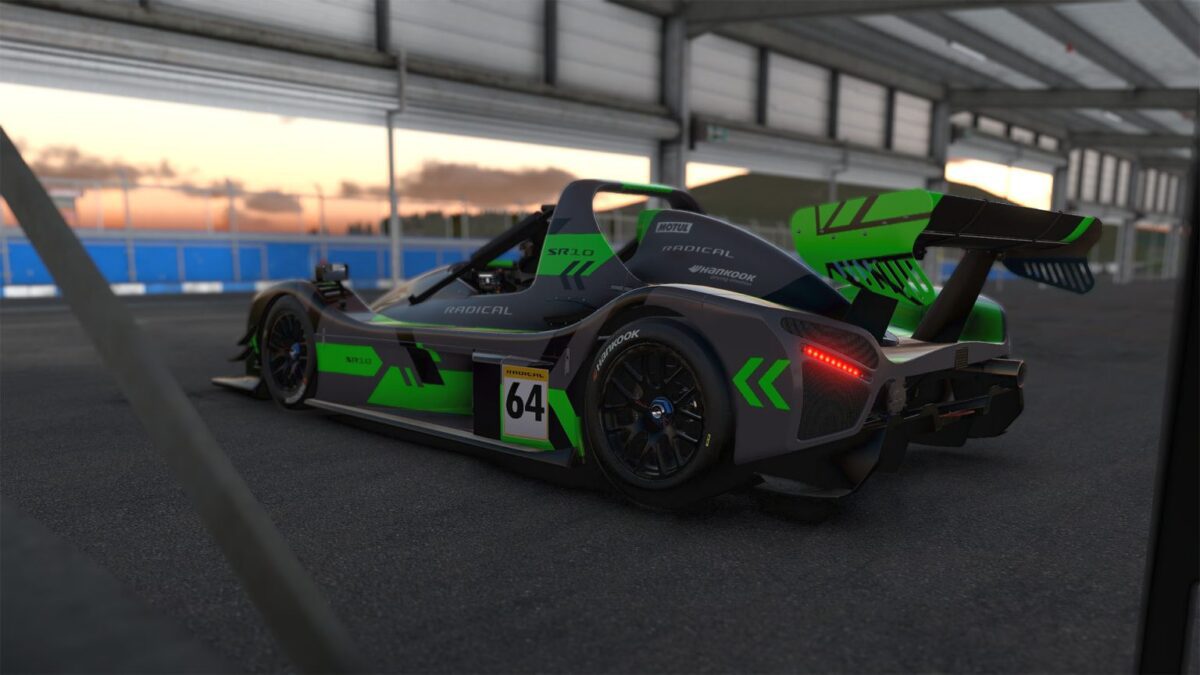
The Radical SR10 iRacing setup screen can be a source of frustration for drivers used to the high-revving simplicity of the SR8. Because the SR10 is heavier and turbocharged, it is inherently prone to mid-corner understeer and extreme tire wear. To extract the maximum performance from this EcoBoost-powered machine, your setup focus must shift toward aerodynamic stability and protecting the rear tires from the massive wall of torque produced by the Garrett turbocharger.
Combating the Dreaded Understeer
One of the most common complaints in Radical SR10 iRacing competition is the car’s tendency to “push” mid-corner. This is largely due to the weight distribution of the turbo system and the way the car transitions from mechanical to aerodynamic grip. To fix this, start by softening the front anti-roll bars (ARB) or stiffening the rear. A stiffer rear ARB will help the car rotate more effectively on entry, allowing you to get the nose pointed toward the apex sooner. Additionally, look at your front wing angle; increasing the front downforce can help “pin” the nose in high-speed sweeps, but be careful not to introduce high-speed oversteer.
Managing Turbo Torque with Gearing
The Radical SR10 iRacing model features a Hewland GT3-derived gearbox that is vital for managing the 380 lb-ft of torque. Many drivers make the mistake of running gears that are too short, which results in excessive wheelspin on corner exit. By running a slightly “taller” final drive or taller individual gears, you can “smooth out” the power delivery. This not only makes the car more predictable but significantly improves tire longevity. In the SR10, being in 3rd gear where you might think you need 2nd is often the secret to a faster, more stable exit.
- Brake Bias: This is the most critical “on-the-fly” adjustment. While the default is often around 53%, many top drivers move it forward (up to 55% or 57%) to stabilize the car under heavy braking. The SR10 is incredibly sensitive to rear-locking, which almost always results in a spin.
- Ride Heights and Rake: Lowering the front ride height relative to the rear (increasing rake) can help with turn-in. However, the SR10 is sensitive to bottoming out on curbs; if you hear the floor scraping, you must increase your spring perch offset to raise the car.
- Differential Settings: The torque-biasing diff is a double-edged sword. If you find the car is snapping on power, try reducing the locking effect. A more “open” differential will be more forgiving on exit, though you may sacrifice some initial “bite” when the turbo kicks in.
The Tire Wear Battle
Successful Radical SR10 iRacing setups are those that prioritize tire temperatures over a single-lap “glory” run. The rear tires on the SR10 are notorious for overheating, which causes a “greasy” feeling halfway through a sprint race. To combat this, ensure your rear camber isn’t too aggressive; while high negative camber helps with cornering grip, it concentrates heat on the inner edge of the tire. A more balanced camber setting combined with slightly higher tire pressures can help distribute the heat across the entire contact patch, extending the life of the rubber.
Balancing Stability and Speed
Ultimately, a winning Radical SR10 iRacing setup is about finding a car that inspires confidence. Because the SR10 can be “quirky” on the brakes and brutal on its tires, a setup that leans slightly toward understeer is often faster over a full race distance than a “pointy” car that is difficult to control. Focus on making the car predictable under braking and smooth on throttle application. Once the car feels stable, you can start trimming the wings and hardening the suspension to find those final tenths of a second. Master the platform, and you will master the Radical Cup.