iRacing Season 3 2026 is live. Build 2026.06.09.01 dropped this morning, and it is one of the more substantial quarterly releases in recent memory. Two new cars and a brand-new street circuit headline the build. A complete Laguna Seca rescan and sweeping Sim UI upgrades are also here. So are a redesigned pit speed system and a long-awaited physics refresh for the SK and Tour Modifieds.
New Cars
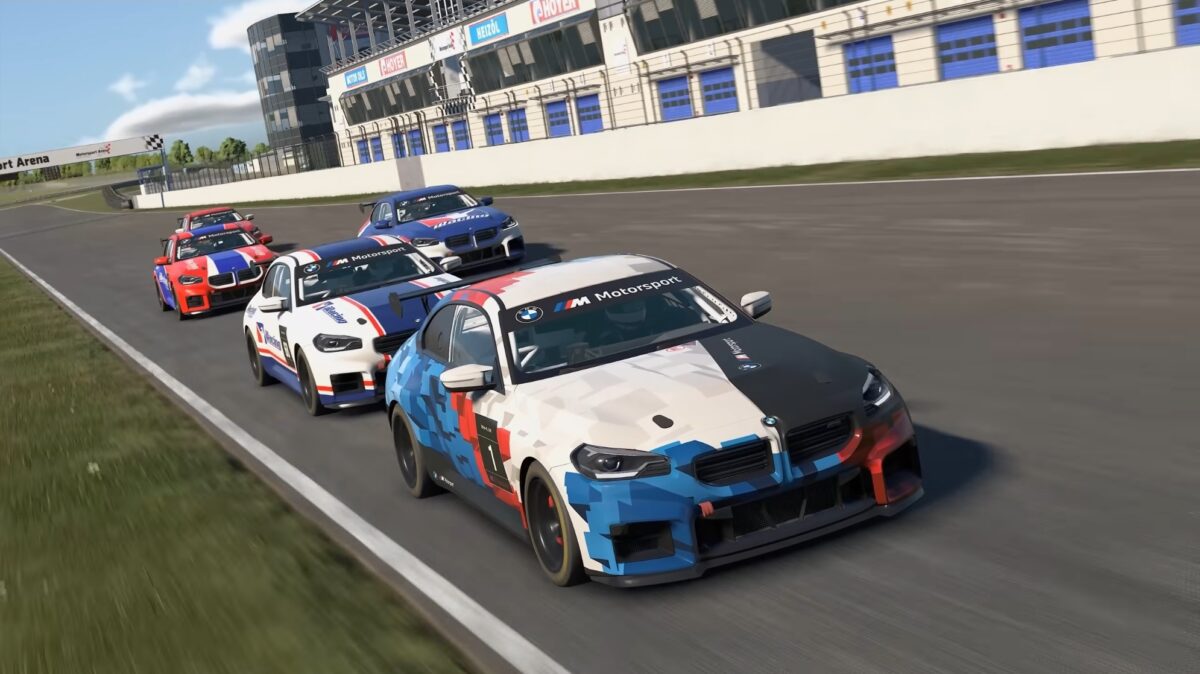
The BMW M2 Racing (G87) is the headline addition for road racers. The successor to the M2 CS Racing, this new G87 generation ships free as base content, so every iRacing member gets it automatically. The visual transformation from the F87 is significant, including an all-new multi-display cockpit setup that pushed iRacing’s art and dynamics teams hard. For official series, the new M2 Racing replaces the older car, while the CS Racing remains available for hosted and AI use. The BMW M Hybrid V8 also received a free, automatic Evo update for all owners, bringing it to current prototype spec. No action required.
The Euro NASCAR RC01 is the other new car. Built in partnership with EuroNASCAR, it is a 400-plus horsepower V8 stock car purpose-built for road racing. It runs at circuits like Brands Hatch, Oschersleben, Zandvoort, and Zolder. The sequential transmission predates NASCAR’s Cup Series Next Gen by one year. That makes it a genuinely unique driving experience. Rain racing is available from day one, as is AI support.
Two new Formula Vee body variants also arrive: the Cutlass and the Conqueror. Both share identical physics with the existing base Vee, so this is purely cosmetic variety. They are sold as an optional two-pack purchase, and the original Formula Vee Classic is completely unchanged.
New Tracks
Two tracks make their Season 3 debut. Qualcomm Circuit at Naval Base Coronado is a 3.4-mile, 16-turn street circuit. It was designed in collaboration with NASCAR for the Cup Series’ 2026 San Diego race. iRacing beats the real-world green flag by a week. The circuit mixes high-grip runway concrete with lower-grip perimeter roads, so handling shifts mid-corner. Chicane sequences and 90-degree street corners break up the layout. For full coverage, see the dedicated Qualcomm article.
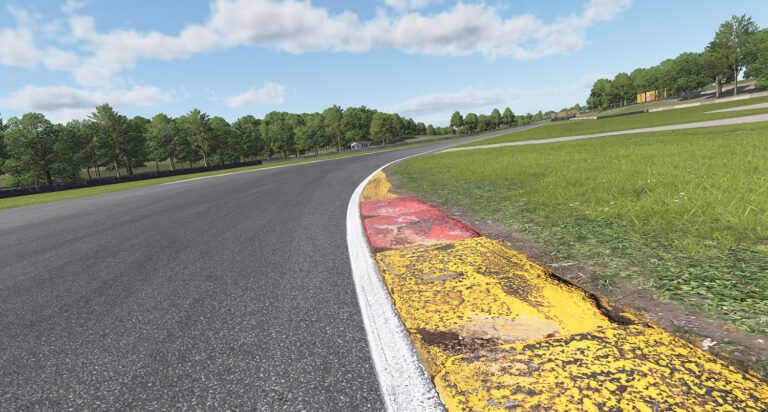
WeatherTech Raceway Laguna Seca received the most significant upgrade in its history on iRacing. The track has been part of the service since launch day in 2008. This Season 3 update is the first complete physical rescan of the track surface since then. New photogrammetry data, updated surface modeling, 3D curbs, and ground-up artwork. Anyone who purchased the track after it moved to paid content in September 2025 gets the new version for free. The old version is retired. For the full breakdown of what this rescan means in practice, see the dedicated Laguna Seca article.
Track Updates
Chicagoland Speedway received a thorough visual NASCAR Refresh pass ahead of the Cup Series returning to the venue. The track surface, buildings, fences, and scenery have all been updated to current artistic standards, with new 3D foliage and updated night lighting. Oran Park Raceway no longer exists in the real world. It received a comprehensive ground-up visual overhaul that preserves it in iRacing for the long term. Circuit de Nevers Magny-Cours and Motorsport Arena Oschersleben both now feature fully 3D modeled physical curbs. These will change the appropriate racing line in some sections at both tracks.
Dirt AI Is Here
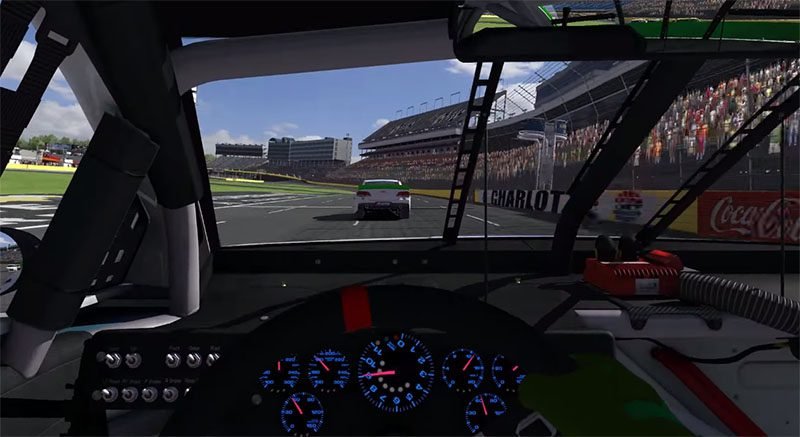
AI racing on dirt ovals is live in Season 3. The initial release covers the Dirt Legends Ford ’34 Coupe and the Dirt Street Stock across 12 dirt oval configurations. Supported tracks include Bristol Dirt, Eldora, Fairbury, Huset’s, Lernerville, and The Dirt Track at Charlotte. AI Heat Racing is also supported from day one, not just single-race formats. More dirt cars and tracks will be added over time as training expands. iRacing was direct in the dev blog: it has been a genuinely difficult challenge to get here, and this is a metered rollout rather than full coverage.
New UI Features
The Sim UI received its biggest single-season upgrade yet. Four new widgets and features ship with Season 3, each addressing something that previously required a third-party overlay.
The Track Map widget arrives in four modes: a top-down layout, a Radial Map, a horizontal Linear Map, and a Mini Map. The Mini Map rotates with your direction of travel. The Radial Map is inspired by real pit wall tooling. All four are native to the sim engine, powered by a new lightweight network packet that transmits position data for every car in the session. This is built into the sim rather than running as an external process. It does not create the CPU load that third-party overlays or cranking up received cars to maximum can generate.
The built-in Fuel Calculator handles real-time consumption data, strategy projections, pit window visualization, and green-white-checker margin calculations. It works in team sessions and includes a per-widget liters/gallons toggle. Control Profiles replace the old .cfg file management workflow for swapping input configurations between rims and hardware setups. And the Incident Tracker keeps your incident count and session limits visible at all times. Additional UI additions include wet/dry tire compound indicators for all cars, drag-to-resize handles on the track map and chat widgets, and an expanded tire compound stamp system.
Physics and Simulation
The pit speed system is redesigned around a PID controller that now targets the exact maximum allowable speed rather than running slightly under it. The practical advice from iRacing: select your gear before pit road entry, hold full throttle, and do not shift while the limiter is active. Shifting while the limiter is engaged can briefly overspeed and trigger a penalty. A short overspeed from a dead stop is accounted for and will not flag you.
The SK Modified and Tour Modified received their first comprehensive physics refresh in years. Both cars have new bias-ply tires with unique compounds on each side. Suspension geometry is rebuilt from real-world specs. Updated aero reduces downforce, and new garage layouts include car-specific tech rules. Because the tech limits now differ between the two cars, existing setups will not transfer. The SK also gains a new 604 Crate engine. Short track asphalt oval side-draft modeling also received targeted improvements. The changes should make multi-car racing at smaller ovals feel more realistic in tight traffic.
A significant multi-threading improvement to the physics engine is also live. With a single car on track, the change is not noticeable. However, with a full race field, CPU usage drops by half or more across a wide range of hardware. This is the first stage of a multi-year physics architecture roadmap.
Anycast Network Routing
iRacing’s race servers now support Anycast routing by default. Anycast routes traffic through the nearest network entry point and then across iRacing’s private backbone. This replaces public internet routing to a geographically distant server. For most members, the result is lower ping and more stable connections, particularly if you are far from the nearest race farm. You can toggle Anycast off in the Launcher settings under the Network tab if needed. iRacing recommends leaving it on even when Anycast latency is slightly higher than Unicast, because of the stability benefit.
Season 3 is a strong build. Multi-class starts with per-class pace cars, Career Mode, audio reverb, and the Spark graphics engine are all still in development for future releases. For the complete list of what did not ship this season, we will have a dedicated article later this month. In the meantime, the full official release notes are available here on iRacerHub, and the Season 3 features page is linked above.