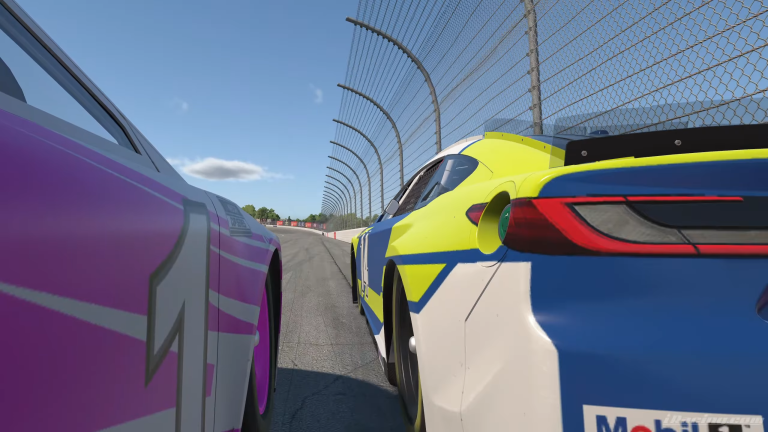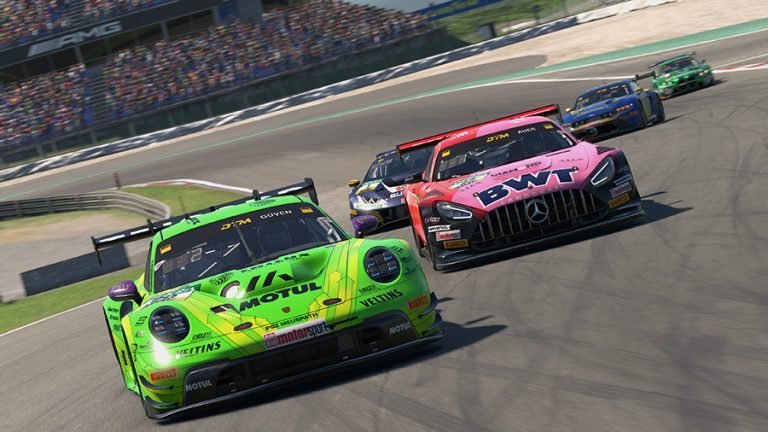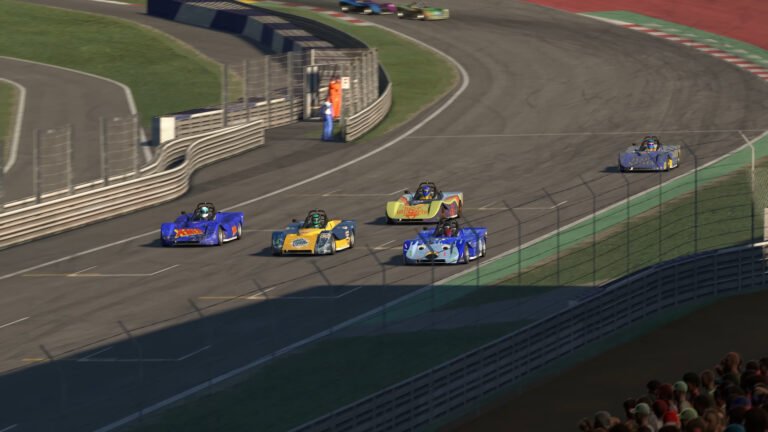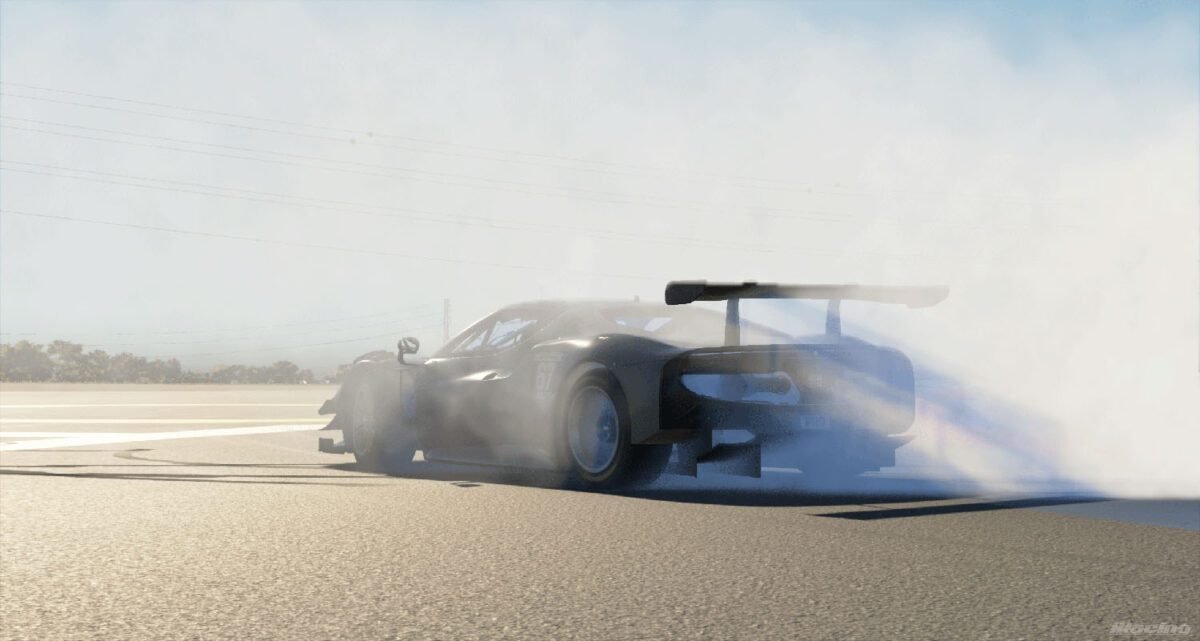
The Mazda MX-5 Season 4 update is more than a set of tweaks. iRacing re-engineered the suspension model completely, brought the engine to current series standards, and integrated a new tire model throughout the car. For the thousands of iRacers who run MX-5 Cup as a regular home series, every major system that shapes how the car drives has been rebuilt.
Also See
➡️ iRacing Confirms Track Reverb and Driver Gear for Season 4
🏁 Mazda MX-5 Cup Series Racing
The MX-5 Cup is iRacing’s most populated beginner series. More active members race it per day than almost any other series on the platform. That popularity also meant the car was one of the last running on older physics systems that predate how iRacing builds vehicles today. Season 4 addresses that directly.
Why iRacing Rebuilt the MX-5 from Scratch
The decision to re-engineer a car this active took deliberate development work. iRacing collaborated with professional Mazda MX-5 Cup drivers to validate the rebuilt physics throughout the process. The enhanced kinematic system used for the new suspension allows more accurate modeling of weight transfer, suspension geometry, and tire loading than previous tools could produce. Because the real car was part of the testing loop, the rebuilt MX-5 reflects actual vehicle behavior rather than an estimate of it.
What Changed in the Mazda MX-5 Season 4 Update
Suspension is the headline change. Under the updated kinematic system, slides are more progressive and transitions are more predictable. Catching oversteer mid-corner is easier because the car communicates earlier. iRacing describes the result as a smoother transition when catching slides and closer, more predictable door-to-door battles. That last part matters in a series built on bumper-to-bumper racing.
The engine model has also been updated to current iRacing standards. This changes how power delivery feels under hard acceleration, how the drivetrain responds to trail-braking, and how the car behaves right at the grip limit. A new tire model integrates with both updates. Combined, the car does not just feel tuned differently. It drives differently from the first lap.
Damage model and aerodynamics were updated alongside the physics work. As a result, bump drafting behavior has changed. That affects oval sessions and road course restarts where pack racing is common. iRacing also completed an art refresh to align the car’s visual model with the current real-world specification.
What to Expect on Track
Experienced MX-5 Cup drivers will feel the difference from their first session. The improved suspension communicates more clearly, so grip loss mid-corner comes with more warning. Slides that arrived suddenly before now build more progressively. Catching them feels more natural as a result. The drivetrain changes affect trail-braking specifically, so the transition from braking to turning and then to power picks up a different feel than before.
iRacers who run MX-5 Cup for the first time in Season 4 are starting from a cleaner baseline. They build their driving habits on the rebuilt model without any old-car behavior to unlearn. For everyone already running the series, Season 4 is effectively a fresh start on how the car handles.
Your Mazda MX-5 Season 4 Setups Need Reworking
Any setup built for the pre-Season 4 MX-5 is unreliable until you test it. The suspension geometry changes alone alter how spring rates, dampers, and alignment settings interact. The new tire model then changes how those settings translate to grip and balance at the limit. A setup that worked well last season may push, oversteer, or simply feel wrong without a clear single cause.
Starting from the default is the right move. Because the rebuilt suspension communicates more directly, tuning is easier to do directionally. When the car understeers on entry, the problem has a more obvious source. Community setups shared during Season 3 need the same reset before they are reliable again. Set them aside, run a few default laps, and work from there.