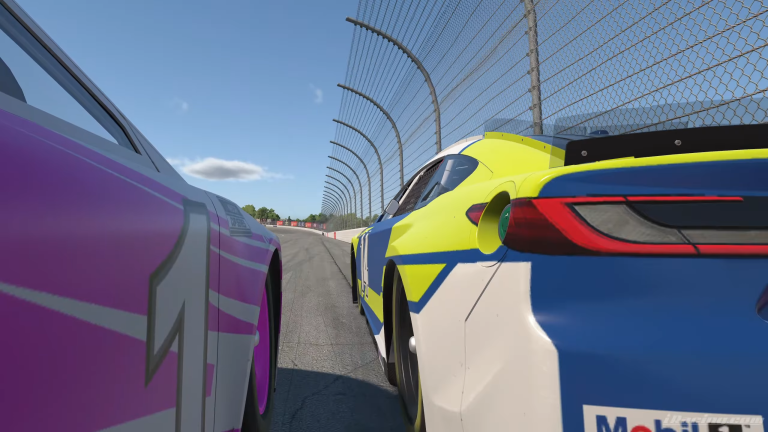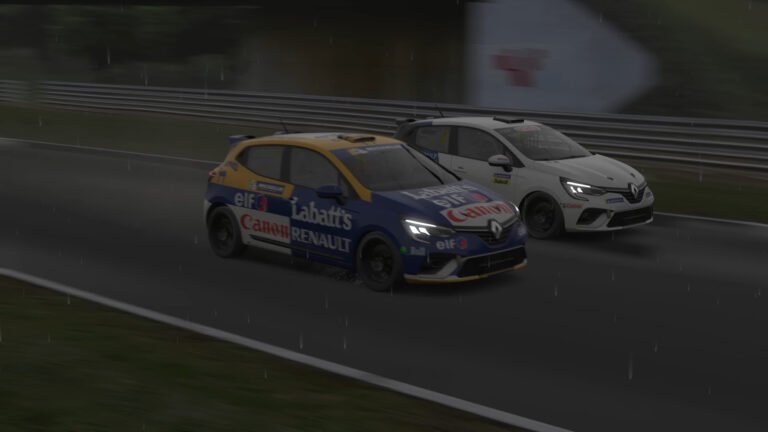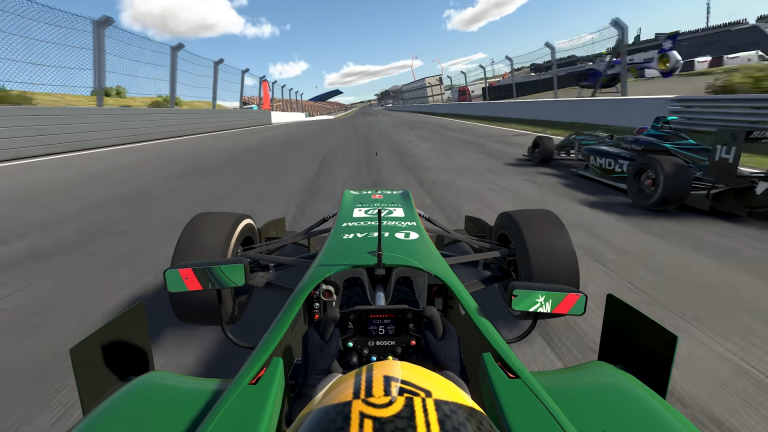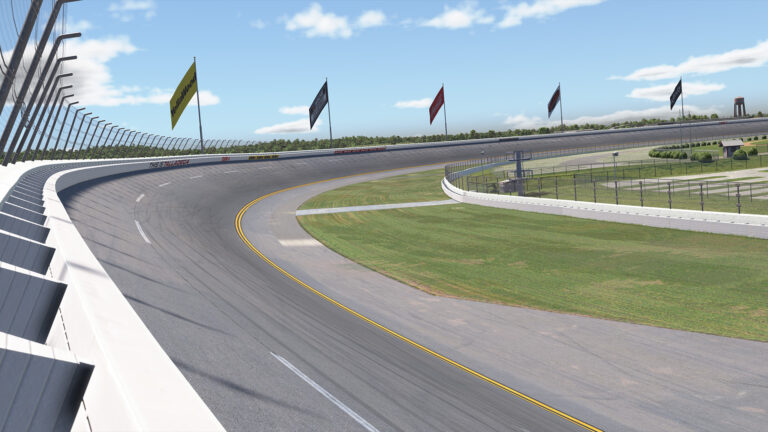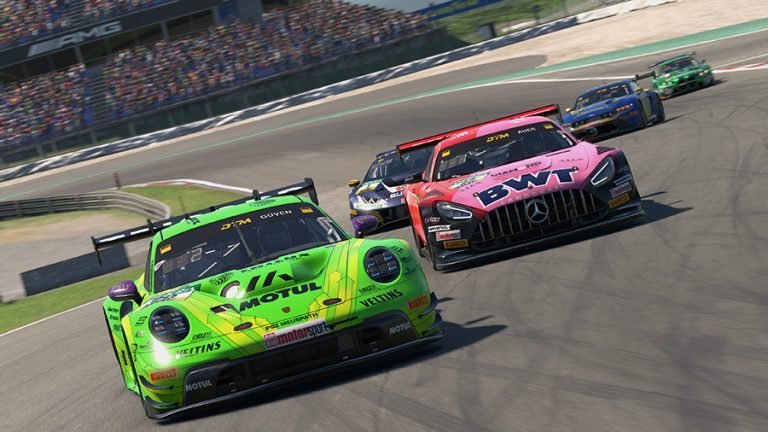
iRacing Season 4 changes how pace car deployments work in multi-class racing. Instead of a single safety car slowing every class together, each class now gets its own dedicated pace car and can receive an independent green flag when its section of track is clear. For anyone who runs IMSA-style events, Petit Le Mans sessions, or any fixed multi-class league, this is the most consequential officiating change in several seasons.
Also See
➡️ iRacing IMSA GT3 Fixed Tire Rules: What Competitive Drivers Need to Know
🏁 IMSA WeatherTech SportsCar Championship
Multi-class racing on iRacing has always required all classes to pace behind the same car at the same speed. That system worked for years but created fairness problems. The class leading on overall laps could be held behind a pace car managing an incident in a slower class on the other side of the circuit. Season 4 closes that gap.
How iRacing Multi-Class Pace Car Assignments Work in Season 4
When a full-course yellow is declared in Season 4, iRacing now assigns a separate pace car to each active class in the session. The pace car for each class matches the performance profile of that class, so the GTP leader follows a GTP-class pace car while the GT3 leader follows a dedicated GT3 pace car. Each class queues behind its own pacer without mixing lines through the pit entry or back stretch.
The restart rules follow the same independent logic. Once the officials determine that a section of track is clean for a specific class, that class receives its own green flag. A GT3 restart does not depend on whether the GTP class has cleared its own restart zone. The two classes can go green at different times in the same full-course yellow period. That is new for Season 4.
Why Multi-Class Pace Cars Make Full-Course Yellows More Fair
The older single-pace-car system created situations where the class that had nothing to do with a caution incident still lost meaningful lap time and track position because the whole field bunched together. In a 2.5-hour endurance event at Road Atlanta, that could mean the GTP class leaders lost a full strategic advantage because a GT3 incident on the back straight required three slow formation laps before anyone could restart.
The dedicated multi-class pace car system means incident consequences stay proportional. The class involved in the incident gets the yellow it needs. Other classes keep their own formation and restart when their section is clear. In practice, this makes multi-class lap charts more accurate, reduces the lottery element in endurance results, and mirrors how IMSA and other real-world series manage full-course yellows in mixed-class fields.
What Drivers in Each Class Need to Know
The most important change for drivers is pace car identification. In Season 4, when a yellow flies, look for the pace car that is pulling in front of your class leader, not just the first pace car you see on track. In a three-class field, there will be three pace cars running simultaneously. Each one is class-coded in the UI and visible on the mini-map. Do not follow a pace car from another class; the officials track your class assignment automatically, but your position in the queue matters.
Pit strategy changes too. Because classes can go green at different times, your pit window under yellow now depends on when your class-specific green is issued, not the overall restart. Talk to your spotter or crew about when the pit lane closes for your class versus another. In a team endurance race, this will be a live call on every yellow. The timing gap between class restarts has historically been 30 to 90 seconds in testing; plan your fuel and tire math around the possibility that you restart before the other class does.
This Is Why Multi-Class Racing in iRacing Just Got Better
iRacing has been adding IMSA-aligned features steadily through 2026, and the dedicated multi-class pace car system is the one that changes the competitive picture most directly. If you run league endurance events or participate in iRacing official IMSA sessions, you will feel this change in every full-course yellow. The lottery element shrinks. Strategy becomes more reliable. And the results at the end of the race better reflect what happened on track, not what happened during a caution period that had nothing to do with your class.
Season 4 goes live on iRacing in September 2026. Full patch notes for the pace car update, including the class-assignment logic and pit lane timing rules, are in the iRacing Season 4 release notes on the official dev blog.