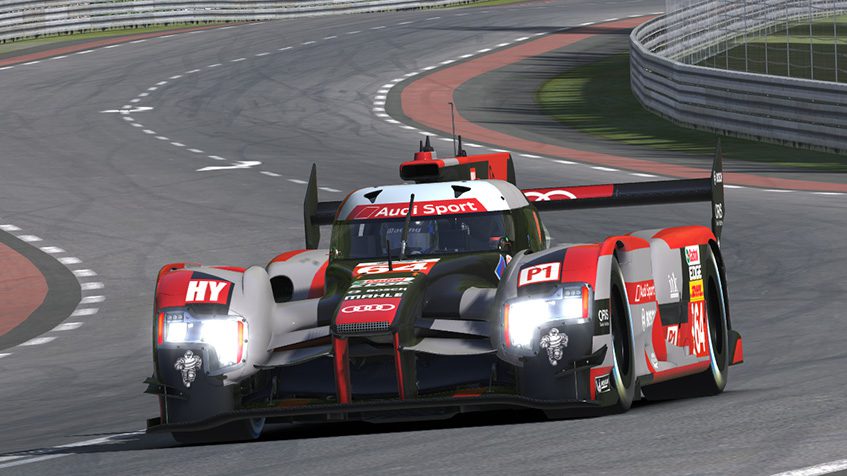
The Audi R18 iRacing garage is one of the most complex environments in the simulator, requiring a balance between traditional mechanical grip and modern energy efficiency. Because this is a high-downforce, diesel-hybrid prototype, your setup must account for the massive torque of the V6 TDI and the way the e-tron quattro system alters the car’s balance mid-corner. Fine-tuning the hybrid deployment and aerodynamic platform is the only way to find the consistent pace required for top-split endurance racing.
Optimizing Hybrid Deployment Maps
The single most important adjustment in the Audi R18 iRacing setup is the hybrid deployment map. This dictates how and when the flywheel energy is sent to the front wheels. For tracks with long straights like Le Mans, you want a map that emphasizes top-end speed, delaying deployment until the car is out of the “drag” zone of the lower gears. On technical tracks like Sebring or Interlagos, a more aggressive map is needed to pull the car out of slow-speed corners.
You must also consider your harvesting levels. If you set the MGU to harvest too aggressively under braking, it can cause the front wheels to lock up or create an inconsistent brake feel. A balanced harvesting strategy ensures that you enter the braking zone with confidence while still topping off the flywheel for the next acceleration phase. If you find the car is “clipping” (running out of hybrid power) before the end of the longest straight, you need to move to a more conservative deployment map.
Aerodynamic Platform and Ride Heights
To maximize the performance of the Audi R18 iRacing prototype, the aerodynamic platform must remain stable. This car relies heavily on underbody downforce generated by the diffuser. If the car “pitches” too much under braking or “squats” too much under acceleration, the airflow is disrupted, leading to a sudden loss of grip. Using stiffer third springs (heave springs) is the standard method for controlling these ride height fluctuations without making the cornering springs too stiff for the curbs.
- Front Ride Height: Keep this as low as possible to maximize front-end “suck,” but avoid bottoming out on the track surface.
- Rear Wing Angle: Adjust this based on the track’s average speed. At Le Mans, a lower wing angle is essential for top speed, while a higher angle is required for the high-speed sweeps of Silverstone.
- Dive Planes: These small front wings can be used to fine-tune the aero balance. If the car has too much understeer in high-speed corners, adding a stage of dive planes can shift the balance forward.
Mechanical Grip and Dampening
The Audi R18 iRacing machine produces immense torque from its diesel engine, which can easily overwhelm the rear tires. To combat this, you should focus on your rear suspension geometry and dampening. A slightly softer rear compression setting can help the car “dig in” and find traction on corner exit. Additionally, pay close attention to your anti-roll bars. Because the hybrid system effectively makes the car four-wheel-drive under power, you can often run a stiffer front anti-roll bar than you would in a traditional rear-wheel-drive prototype.
Refining the TDI Performance
The final step in your Audi R18 iRacing setup is managing the unique thermal characteristics of the diesel engine. The TDI engine requires specific cooling settings to maintain peak horsepower over a multi-hour stint. While closing the radiator ducts improves your aerodynamic efficiency and top speed, it increases the risk of engine wear. Finding the “sweet spot” where the engine stays within its optimal temperature range while maintaining the sleekest possible aero profile is the hallmark of a professional-grade prototype setup.