The best iRacing advice from a high iRating driver isn’t what you’d expect. Every sim racer wants to know the secret that separates 2,000 iRating drivers from the ones cruising above 5,000. The truth is there’s no single trick. But when a driver sitting above 5,000 iRating shares what they wish they’d understood earlier, it’s worth paying attention.
This isn’t motivational advice. It’s the practical, sometimes uncomfortable stuff that actually changes results.
The Best iRacing Advice for High iRating: Consistency Wins
The biggest gap between a 2K and a 5K driver isn’t raw pace. It’s the ability to run the same lap time, corner after corner, stint after stint. Fast drivers who can’t repeat their speed are just fast crashes waiting to happen.
At higher iRatings, the driver who wins is rarely the one with the fastest single lap. It’s the one who strings together 30 clean laps while everyone else makes one mistake that costs them two seconds. If you can run a 1:32.5 every lap instead of alternating between 1:31.8 and 1:33.4, you’re already faster where it counts.
The first thing to work on isn’t finding more speed. It’s eliminating the variance in the speed you already have.
Race Management Is a Separate Skill
Driving fast and racing well are two completely different things. You can be the quickest person in a session and still finish mid-pack if you don’t know when to push, when to be patient, and when to let a bad situation go.
At 5K+, drivers think in terms of race management. They calculate tire wear across stints. They know when a gap is closeable and when it’s a waste of tire life to try. They recognize when the car behind is faster and give the position cleanly instead of defending for three laps and losing two more positions in the process.
This is the hardest skill to develop because it requires you to fight your instincts. Your gut says “defend, push harder, don’t give up the position.” Your brain needs to say “let them go, protect the tires, the race is long.”
Know Where the Time Is, Not Just the Line
Every driver above 3K knows the racing line. That’s table stakes. What separates the higher-rated drivers is understanding where time lives on a specific track and in a specific car.
That means knowing which corner rewards a later apex versus an early one for a particular chassis balance. It means understanding that at Spa, the time isn’t in Eau Rouge (everyone’s flat there). It’s in the precise commitment point into Pouhon and how early you can get on the power out of La Source.
Track knowledge at this level isn’t about memorizing the line. It’s about knowing the two or three corners where a tenth is available and focusing your mental energy there instead of trying to improve everywhere at once.
When to Push and When to Protect
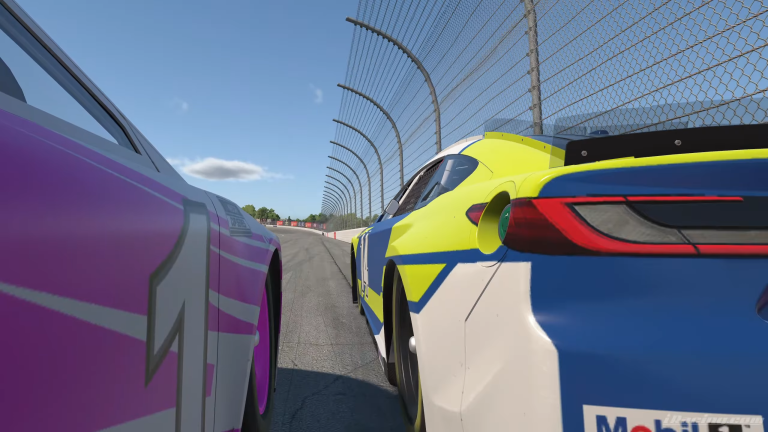
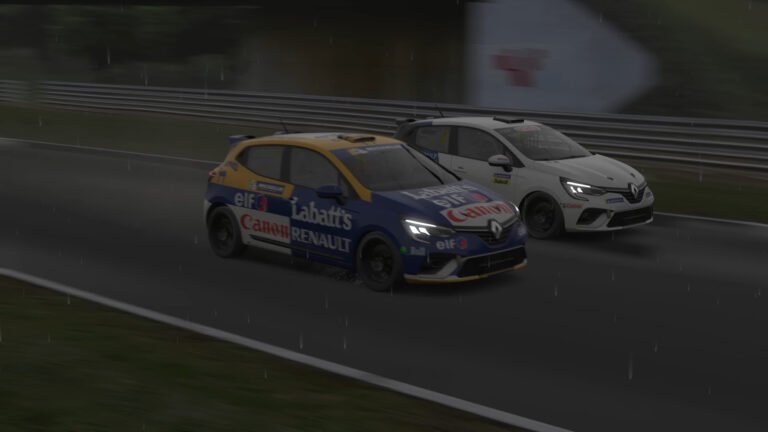
The opening laps of a race are chaos. Cars are close, tires are cold, and everyone’s running on adrenaline. High-rated drivers know that lap 1 is about survival, not about gaining positions.
The real overtaking happens in the middle stint, when the field has spread out, tire degradation is creating speed differentials, and the drivers who over-pushed early are starting to fade. That’s when patience pays dividends. You didn’t lose positions by being cautious at the start. You saved them for when the opportunities were cleaner and less risky.
Late in a race, the calculation shifts again. If you’re fighting for position with five laps to go, you can afford to push harder because there’s less time for the tires to fall apart. Understanding these phases and adjusting your aggression level accordingly is what makes a complete racer.
Setup Is a Multiplier, Not a Fix
Too many drivers at the 2K-3K range spend hours tweaking setups when their driving is the bigger limiting factor. A good setup makes a good driver faster. It doesn’t make a sloppy driver clean.
At the higher levels, drivers use setup changes to fine-tune the car to their style and the specific demands of a track. They’re not looking for a magic setup that makes the car easy to drive. They’re looking for a setup that lets them extract the maximum from their existing technique.
If you’re spinning or losing the car regularly, that’s a driving problem, not a setup problem. Fix the inputs first. Then adjust the car to complement them.
Replays Are Your Coaching Staff
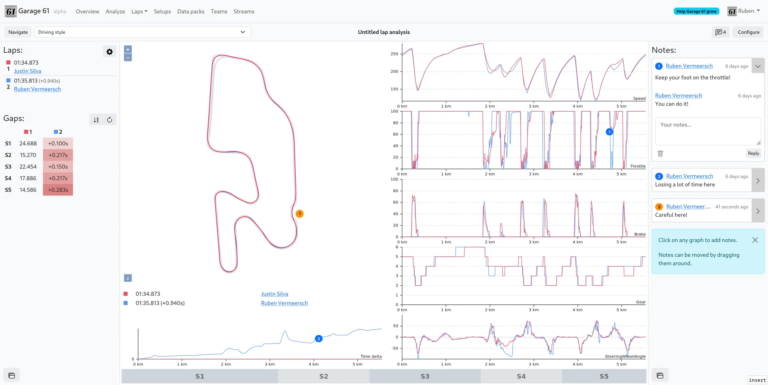
This is the advice that everyone hears and almost nobody follows. Watching your replays, especially side-by-side with a faster driver’s lap, is the single most efficient way to find time.
You don’t need to review every race. Pick one corner where you know you’re losing time and watch it from the chase cam. Compare your braking point, turn-in, and throttle application with someone who’s a second faster. The differences are usually obvious once you see them, but invisible when you’re in the car.
Ten minutes of focused replay review teaches you more than an hour of mindless practice laps. Tools like VRS can help structure that review process. If you’re not doing this, you’re leaving the easiest improvement on the table.
This iRacing advice from a high iRating driver comes down to one thing: getting better isn’t about talent or equipment. It’s about treating every session as a chance to get marginally better at something specific. The drivers at the top didn’t get there by being naturally gifted. They got there by being relentlessly deliberate about how they practice, how they race, and how they learn from every lap they turn.