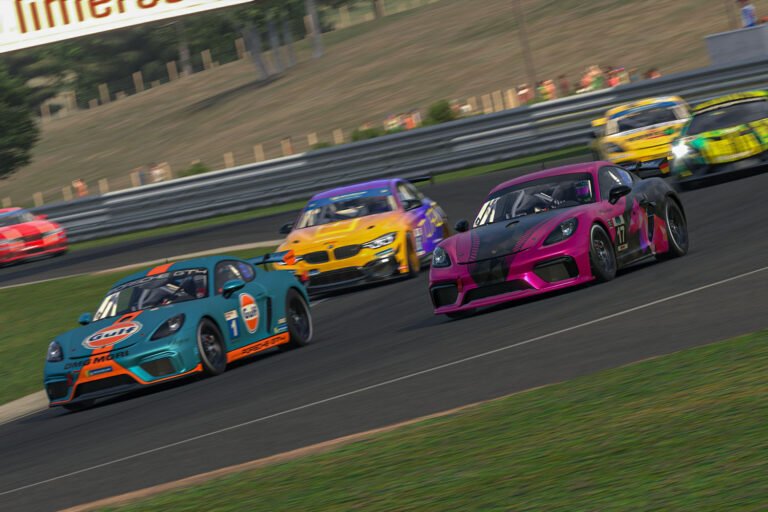
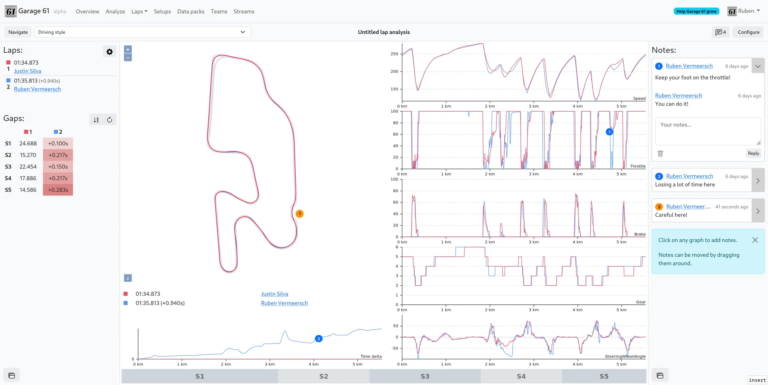
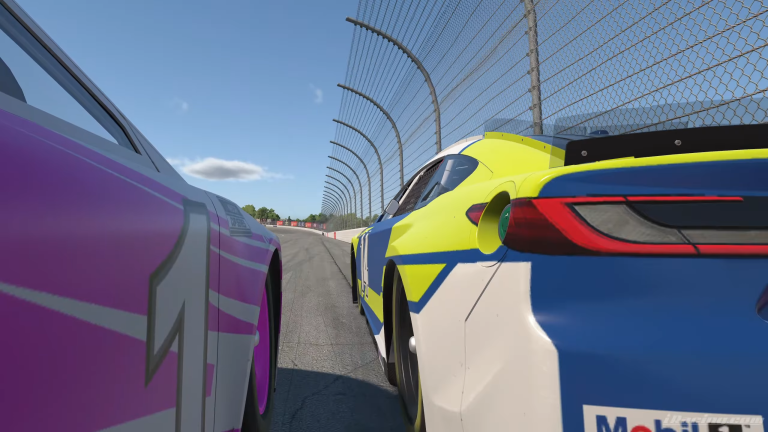
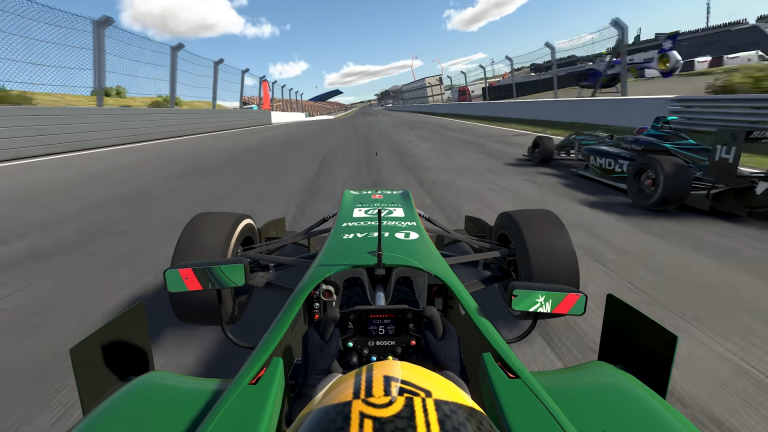
The iRacing GTE TCR physics overhaul is one of the biggest changes in the Season 2 build. Also, both classes receive ground-up rebuilds covering tires, braking, aerodynamics, and Balance of Performance. Every car in each class has been touched. This is not an incremental tweak. iRacing rebuilt both categories from the foundation up.
Also See
➡ Audi RS3 LMS Gen2 TCR Is Coming to iRacing
➡ iRacing’s February 2026 Development Update: Everything Announced
iRacing GTE Physics Updated to GT3 Standards
Additionally, five cars make up the TCR class in iRacing. Also, the Audi RS3 LMS Gen1, Gen2, Hyundai Elantra N, Honda Civic Type R, and Hyundai Veloster N all received the treatment. The overhaul includes full wet and dry tire rebuilds. iRacing redesigned the braking system with a rear proportioning valve. Fuel levels now match IMSA regulations. New splitter height tech and a fresh Balance of Performance round out the changes.
Additionally, existing setups will not carry over cleanly. The physics changes are fundamental enough that tuning baselines shift significantly. iRacing recommends saving your current numbers before the update drops. You can use them as a starting point, but expect to rebuild from there.
Rain Arrives for GTE and a New Ride Height Rule
Furthermore, all five GTE cars get the same depth of update. The Ford GTE, Ferrari 488 GTE, BMW M8 GTE, Corvette C8.R, and Porsche 911 RSR now match GT3 physics standards. A new 50mm minimum ride height rule means old setups fail tech inspection. iRacing rebuilt tires with realistic deformation and wear under sustained loads.
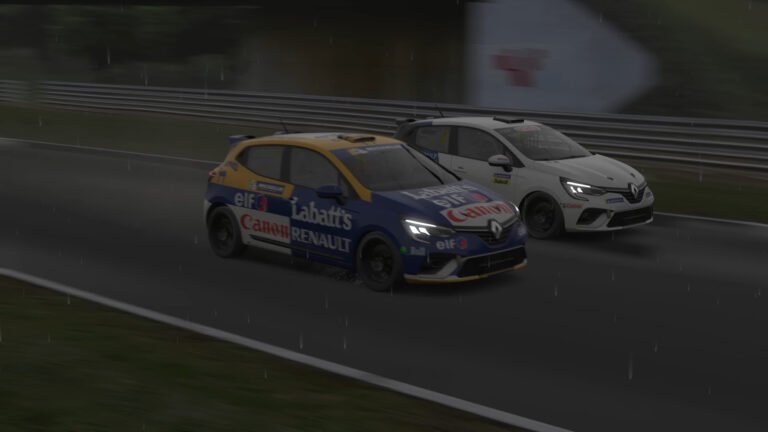
Furthermore, rain capability comes to both classes. GTE and TCR cars can now race in wet conditions for the first time. The tire models include specific wet-weather behavior. Grip levels, drainage patterns, and spray effects all factor into the rain experience. This opens up endurance events at rain-enabled circuits.
iRacing TCR Physics: A Full Ground-Up Rebuild
Moreover, the TCR rebuild took six months. iRacing calls it the most comprehensive single-class update the team has delivered. Every system was touched. Power units got updated boost control and equalized shift lights. Drivetrain behavior changed across the entire fleet. The result is a driving experience that feels more rewarding and authentic. See our full Season 2 development update breakdown for context on all the changes.
Moreover, iRacing rebuilt the braking system for TCR from scratch. A rear proportioning valve now mirrors the real-world TCR spec. Fuel levels match IMSA standards at 85L with 100L capacity. Splitter height tech passes “Garage” scrutiny checks. These details matter for competitive accuracy.
Rain Capability Across the Full TCR Lineup
In particular, gTE cars also received recalculated mass and inertia values. Balance of Performance figures are brand new for the entire class. The 70mm minimum ride height at Nordschleife is a separate rule. Every other track uses the 50mm standard.
Specifically, both classes now use iRacing’s latest tire model technology. Tire construction and compounds are fully updated. Wet and dry behavior reflects current simulation standards. Grip falloff, temperature sensitivity, and wear rates all changed.
What to Expect When Season 2 Goes Live
In particular, competitive drivers should plan for a reset. Old setups, tuning intuitions, and braking references will shift. iRacing designed these changes to raise the quality bar for both classes. The goal is a driving experience that matches the depth of recent GT3 updates.
Specifically, the iRacing GTE TCR physics updates arrive with the Season 2 build on March 10. Check the official iRacing development update for the full breakdown of every change.