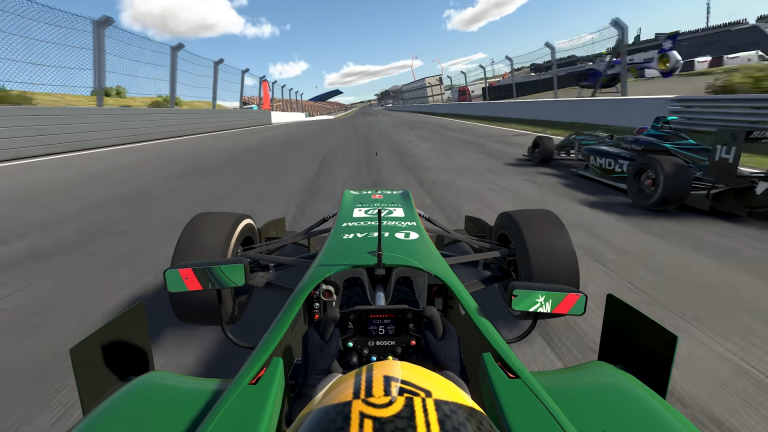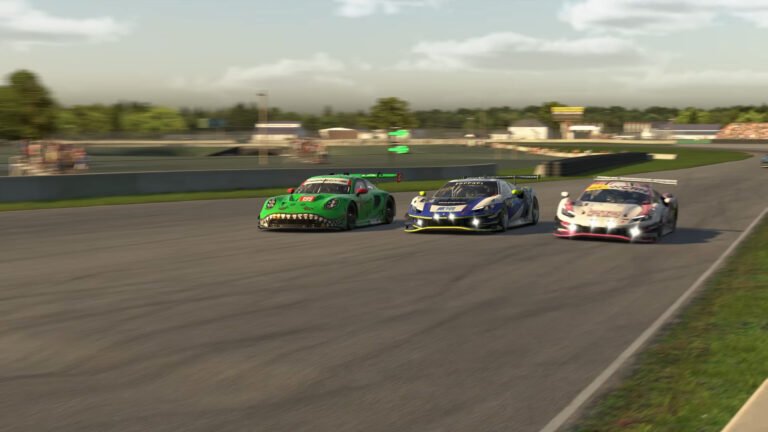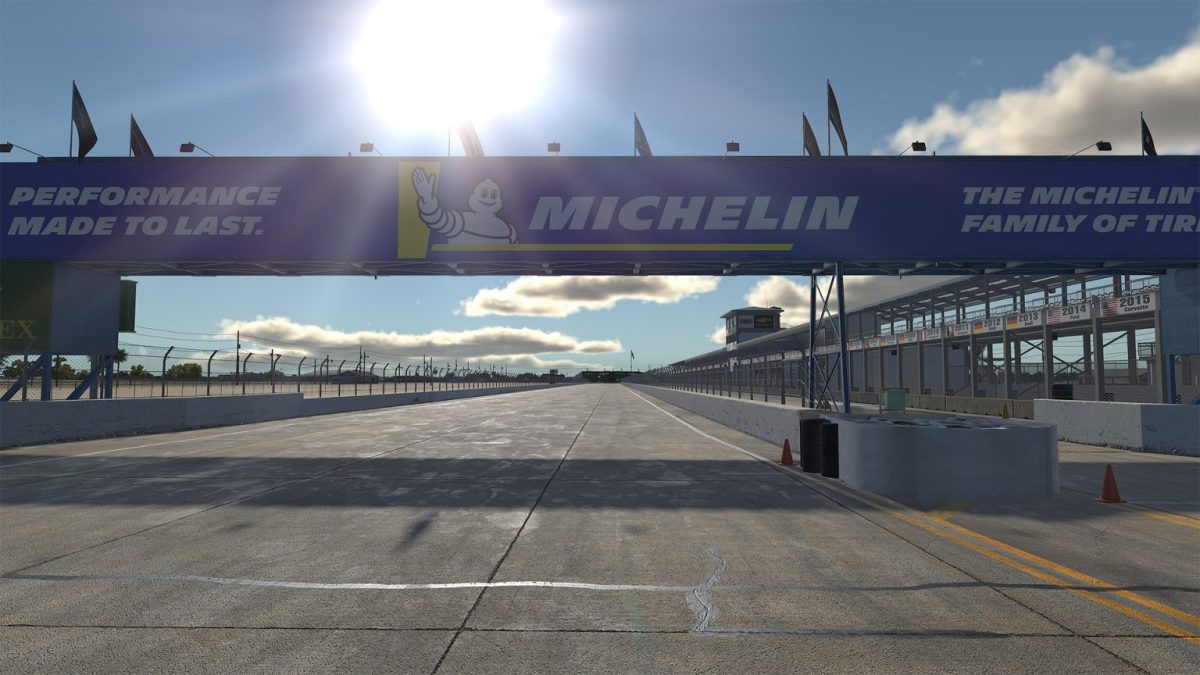
The iRacing Sebring 12 Hours is running right now. The race opened on Friday, March 27, and sessions continue through Sunday, March 29. Four starting windows cover every major time zone. If you want in, there is still time.
| Session | Date | GMT | Eastern (ET) |
|---|---|---|---|
| Session 1 | Friday, March 27 | 22:00 | 6:00 PM |
| Session 2 | Saturday, March 28 | 07:00 | 3:00 AM |
| Session 3 | Saturday, March 28 | 12:00 | 8:00 AM |
| Session 4 | Saturday, March 28 | 16:00 | 12:00 PM |
The Sebring 12 Hours is the second leg of the VCO Grand Slam, following the iRacing Daytona 24 and leading into the COTA 8 Hours and Le Mans 24. Completing all four events earns Grand Slam points and places you on the season leaderboard.
Car Classes
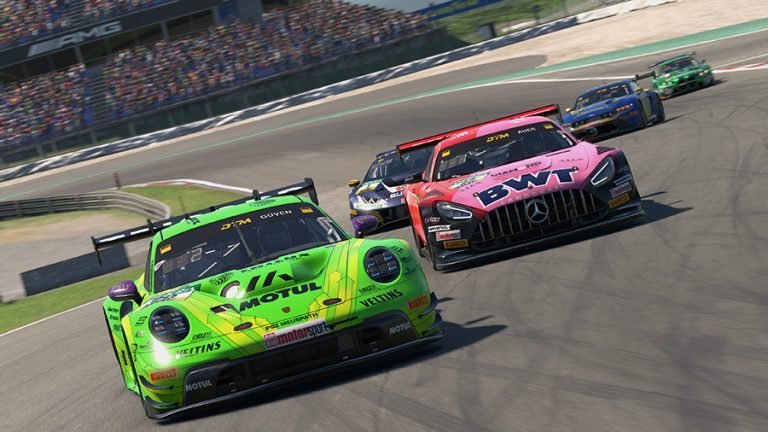
Three classes share the Sebring grid: GTP, LMP2, and GT3.
GTP fields five manufacturers: Acura, BMW, Porsche, Ferrari, and Cadillac. The custom BOP for this event brings the class closer together than in regular weekly racing. Ferrari and Porsche have the edge at Sebring specifically, but the gap to the other manufacturers is small enough that consistent driving will matter more than car choice. LMP2 is a single-make class with the Dallara. GT3 grids have expanded to 10 cars per entry this year.
The 2026 BOP at Sebring
For GT3, the Ford Mustang GT3 and Mercedes-AMG GT3 are the cars to beat under the current 2026 BOP at Sebring. The Lamborghini Huracan GT3, Porsche 911 GT3 R, and Aston Martin Vantage GT3 are close behind and competitive over a long run. The BOP is relatively tight across the class, so setup and tyre management will decide more results than raw car pace.
GTP drivers comfortable with any of the five manufacturers should feel confident at this event. The Sebring-specific BOP levels the field more than the standard weekly BOP.
The Track
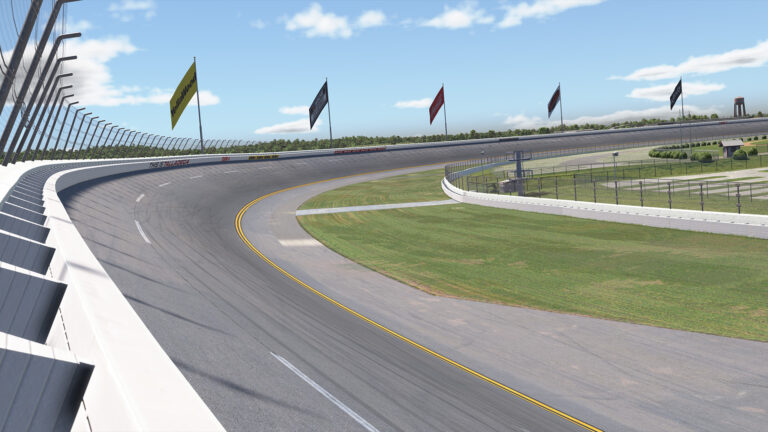
Sebring International Raceway sits in central Florida on a former air force base. The layout was built on taxiways and service roads, and that history shows up in the surface. Sebring is famously rough. The bumps accumulate car stress and driver fatigue across a long stint in ways that a smooth circuit does not.
The circuit runs roughly 3.7 miles through a mix of slow chicanes, medium-speed corners, and long accelerating sections. Consistent lap time is harder to maintain here than at a smooth circuit. Kerb use through the chicanes gains lap time but accelerates tyre wear. The right balance depends on your class and how much margin you want to protect for the final hours.
Strategy
Fuel strategy is the biggest variable for GTP and LMP2. Driving flat out every lap burns fuel too quickly and forces extra stops. Managing pace slightly gains back more time overall than the laps lost by being conservative. GT3 teams have more flexibility but face the same tyre trade-off on Sebring’s abrasive surface.
Weather is enabled. A rain window mid-race can reset tyre strategy and redistribute positions quickly. Keep wet sets available if your strategy has room for them.
Multi-Class Traffic
GTP closes on GT3 at pace differentials that can exceed 20 seconds per lap. Contact in braking zones is the most common cause of incidents at Sebring. If you are in a slower class, be predictable when being lapped. Hold your line and give an early signal. If you are in GTP or LMP2, patience through a braking zone costs less time than a contact penalty and drive-through.
Finding a Team
The main place to find co-drivers is the iRacing Sebring event Discord. Sessions are still running through Sunday March 29. It is not too late to put a team together. Solo entry is also available for drivers who want shorter stints.
Full event details and session times are at iRacing.com/special-events.