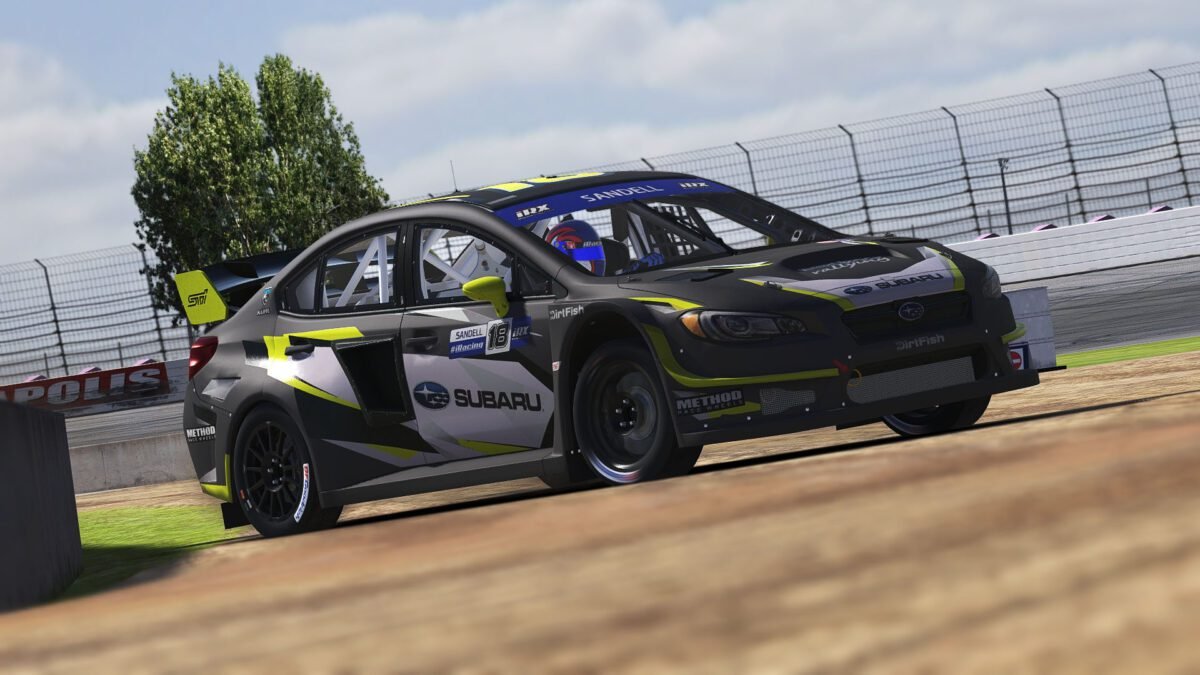
The Kia Optima GX Setup iRacing screen is where you transform a front-heavy sedan into a surgical touring car. Tuning a FWD car is all about “freeing up” the rear end to help the front tires do their job. Because the Optima has 300+ horsepower pulling it forward, your setup goal is to create a car that wants to rotate “on entry” so that it can be “straight on exit.” This guide covers the essential adjustments needed to make the Optima GX a front-running contender on any track.
Rear Stiffness for Better Rotation
In the Kia Optima GX Setup iRacing workflow, the easiest way to find speed is to stiffen the rear of the car. By running stiffer rear springs and a thicker rear anti-roll bar (ARB), you limit the rear grip. While this sounds counter-intuitive, it actually helps the car rotate. A “stiff” rear end will follow the front more aggressively, reducing the car’s natural tendency to understeer. If the car feels too “lazy” in the chicanes, keep stiffening the rear until you find a balance where the back end steps out just enough to point you toward the next straightaway.
Differential and Toe Settings
The Kia Optima GX iRacing utilizes a limited-slip differential that is vital for putting the turbo power down. If you are struggling with “one-wheel peel” or the car pulling to one side under acceleration, look at your diff locking percentages. Additionally, pay attention to your “toe” settings. Running a small amount of “toe-out” on the rear wheels will help the car turn in more sharply. On the front, a tiny amount of “toe-in” can help with straight-line stability under high turbo boost. Tune the front for traction and the rear for rotation—that is the Optima setup secret.
- Camber: Max out the negative front camber to maintain a contact patch during hard FWD cornering.
- Ride Height: Keep the rear slightly higher than the front (rake) to assist with weight transfer during turn-in.
- Brake Bias: Typically runs best with a more forward bias (around 60%) to ensure the front tires do the heavy lifting.