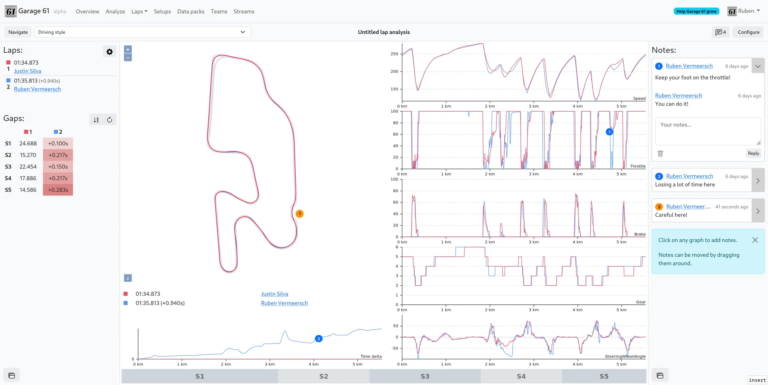
Start with baseline. Fight the urge to tune. Load the iRacing baseline and focus on markers, rhythm, and minimizing big mistakes. Once you can repeat laps within a couple tenths, you’ll know what actually needs adjusting.
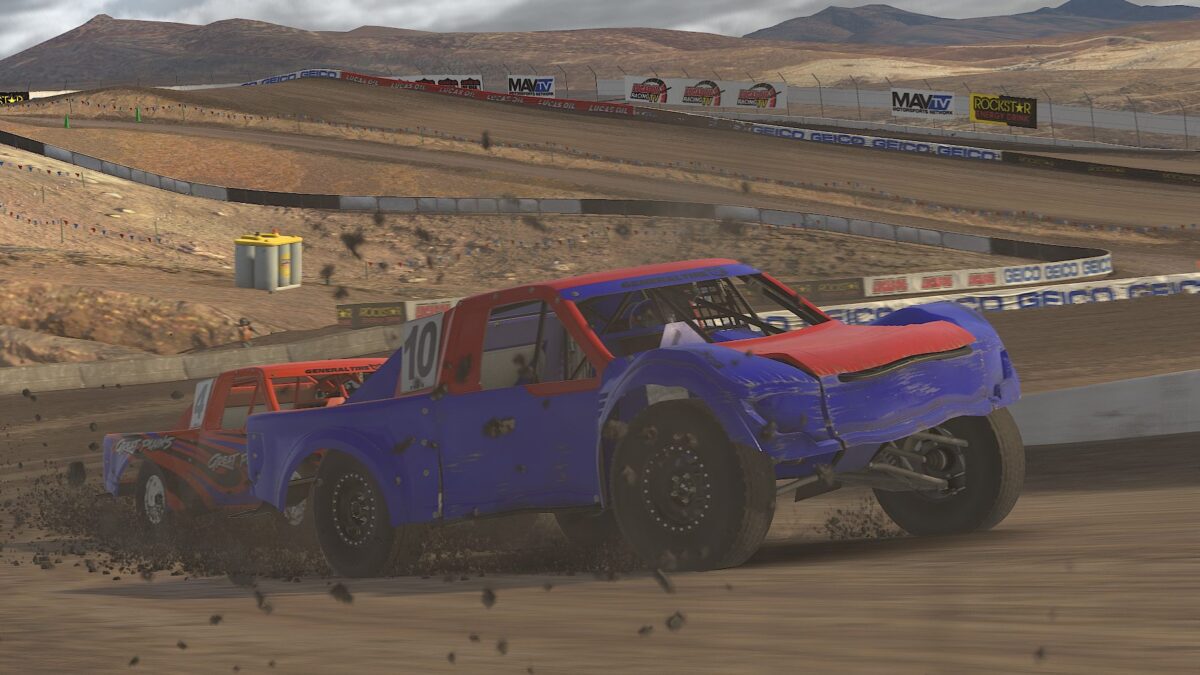
Braking & rotation. Pro 2 and Pro 2 Lite respond to a small trail‑brake to finish rotation. If you’re plowing wide, don’t add more steering—carry a touch of brake a hair longer, then straighten the wheel earlier. In Pro 4, brake a beat earlier than feels natural; the AWD bite tempts you to attack too deep and ruins the landing.
Throttle discipline. Roll on, don’t stab. The suspension is already busy; spikes make the rear hop and the nose pitch. Short‑shift if you’re lighting up the rears on exit. In Pro 4, be extra gentle as the front tires are also driving—wheelspin up front will drag the nose wide.
Jump timing. Approach square, neutral steering at the lip, and tiny inputs in the air. Lift to nudge the nose down; blip to lift it. Land straight and wait half a heartbeat before committing to full throttle—getting greedy here is the #1 cause of tank‑slappers.
Racecraft. Build passes off exits that feed into braking zones. If you’re defending, prioritize clean landings and good lines over blocking—most rivals beat themselves by over‑driving the jump. Respect incident points; small taps add up and penalties sting in short races.
When to tune. Only once your lines are consistent: add a click of rear rebound if the truck bounces on landing, raise ride height a couple millimeters if you’re bottoming, or shorten gearing a tooth for acceleration‑heavy venues. Keep changes small and verify with back‑to‑back laps.