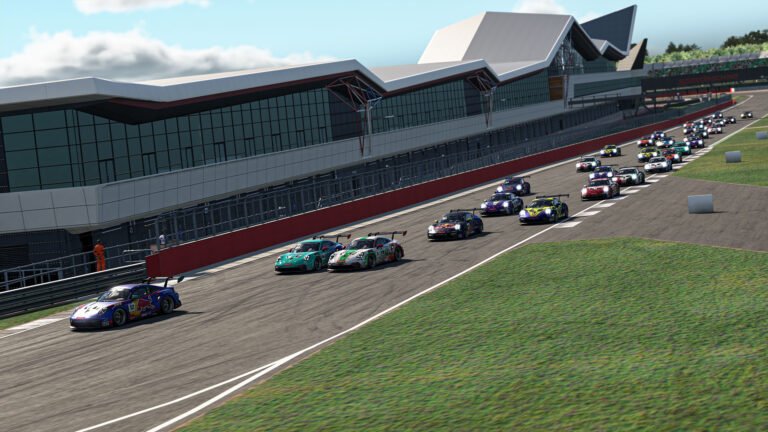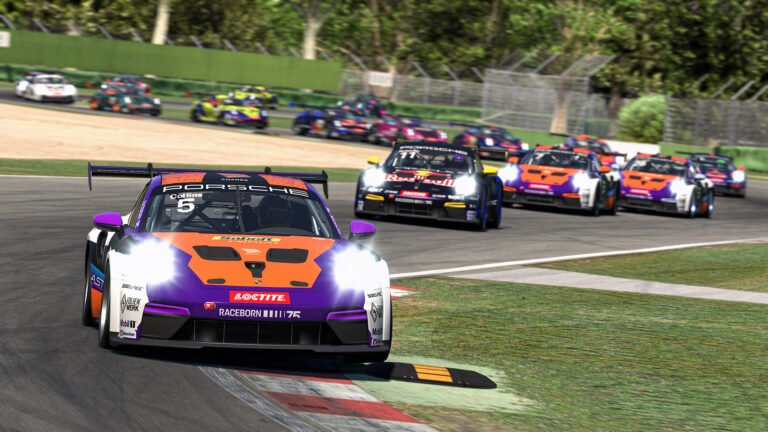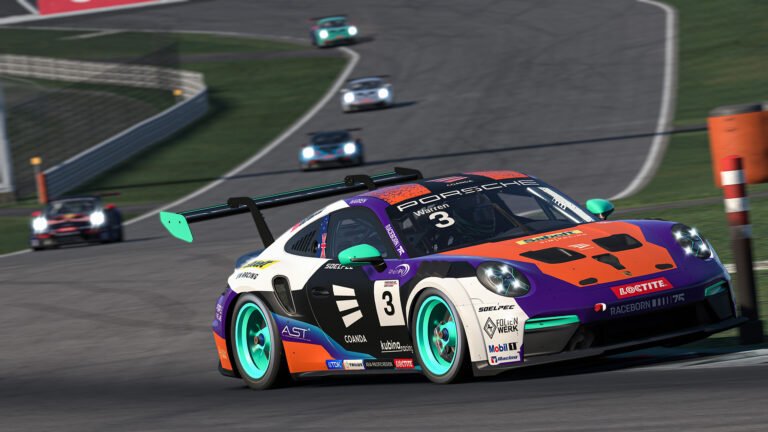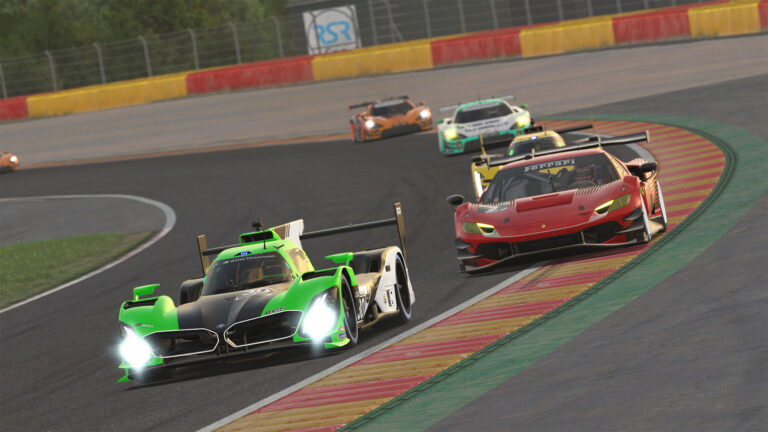
The Porsche 911 RSR iRacing rumors were nothing short of a seismic shift for the community. For decades, the 911 was defined by its rear-engine layout, but when Porsche announced they were moving the engine forward to create the mid-engine RSR, the sim racing world went into overdrive. Early reports from the Weissach testing tracks suggested that this new “evolution” would fix the 911’s historic weakness: tire wear and rear-end instability. Rumors of iRacing engineers visiting Germany to record the car’s 4.0L naturally aspirated flat-six became the primary topic of the 2018 forum season.
A Controversial but Necessary Leap
If the Porsche 911 RSR iRacing speculation held true, it would represent a fundamental change in how sim racers approach a Porsche. The real-world car was designed to maximize the rear diffuser—something only possible by moving the engine in front of the rear axle. Insiders hinted that iRacing was focusing heavily on the “mid-engine transition,” ensuring that the car retained its Porsche soul while gaining the stability and agility of its mid-engine rivals. For the iRacing membership, this meant a car that could finally take the fight to the Ferrari 488 and Ford GT on equal aerodynamic footing.
Anticipating the Atmospheric Scream
The Porsche 911 RSR iRacing rumors were fueled by a demand for raw, atmospheric sound in a world of turbochargers. With its 510-horsepower flat-six engine capable of a visceral 9,500 RPM scream, the RSR promised to be the most “vocal” car on the service. Fans analyzed every second of real-world onboard footage from Le Mans, hoping iRacing would capture that signature high-pitched howl. The RSR wasn’t just a car; it was a promise of purity. When the rumors suggested a mid-2018 release, the GTE class prepared for a new king of the grid.