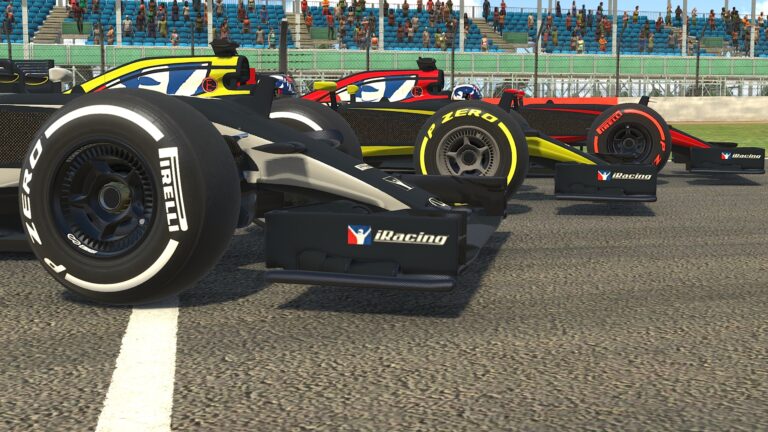
The latest Williams-Toyota FW31 iRacing update has arrived, bringing a massive overhaul to the car’s aerodynamic simulation. iRacing engineers have spent months refining how air flows over the intricate wings and bodywork of the 2009 Formula 1 car. This technical update changes how the car reacts to changes in ride height and pitch. Drivers will need to rethink their setups to maintain peak performance under these new physical constraints. It is a significant step forward for the most advanced open-wheeler on the service.
New Aerodynamic Mapping in the Williams-Toyota FW31 iRacing Update
The core of this Williams-Toyota FW31 iRacing update involves the new aerodynamic map. In previous builds, the downforce was more static. Now, the aero balance shifts dynamically based on the car’s proximity to the ground. This phenomenon, often called the “ground effect,” means that even a one-millimeter change in front ride height can drastically alter your grip levels. You will feel the nose “bite” more aggressively in high-speed sections, but the car may become more nervous over curbs.
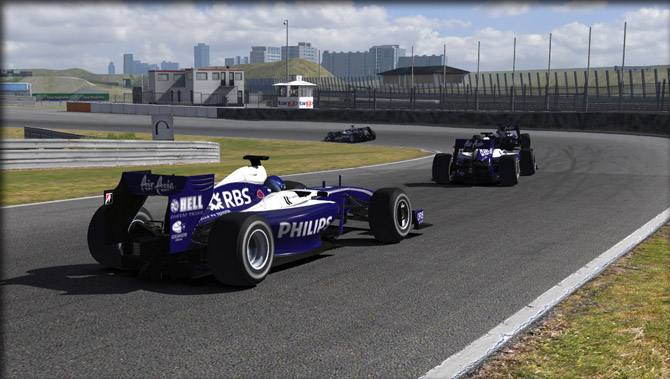
The update also improves the simulation of “dirty air” or aerodynamic wake. Racing closely behind another Williams-Toyota FW31 iRacing machine is now more challenging. You will lose significant front-end downforce when following a competitor through high-speed corners. This forces you to find creative racing lines to keep fresh air hitting your front wing. This level of realism adds a new layer of strategy to every Grand Prix event, making overtaking a true test of skill and timing.
Suspension and Aero Interaction Changes
This Williams-Toyota FW31 iRacing update also refines how the suspension interacts with aerodynamic loads. As the car reaches high speeds, the massive downforce compresses the springs. The new physics model simulates this compression more accurately, which can lead to the car “bottoming out” on the pavement. If the plank under the car hits the track, you will lose grip instantly. To counter this, you must adjust your heave springs and bump stops to keep the aerodynamic platform stable throughout the entire lap.
Refined Tire Deformation Physics
Accompanying the aero changes in the Williams-Toyota FW31 iRacing update is an improvement to tire carcass deformation. The tires now react more realistically to the extreme vertical loads produced by the wings. You will see the sidewalls flex under high speed, which slightly alters the car’s effective ride height. This creates a feedback loop that you must manage through your setup. Keeping your tire pressures within the optimal window is more important now than ever before to ensure the aero platform stays consistent.
Adjusting Your Setup for the New Update
If you are using old setups for the Williams-Toyota FW31 iRacing, you will likely find them unstable. We recommend starting with the new 2012 Season 4 baseline setups provided by iRacing. Focus on your rear wing angles first to stabilize the back of the car in high-speed transitions. Then, slowly lower the front ride height until you achieve the desired turn-in response. This update rewards drivers who take a methodical approach to their engineering. The FW31 is now more rewarding—and more demanding—than it has ever been.