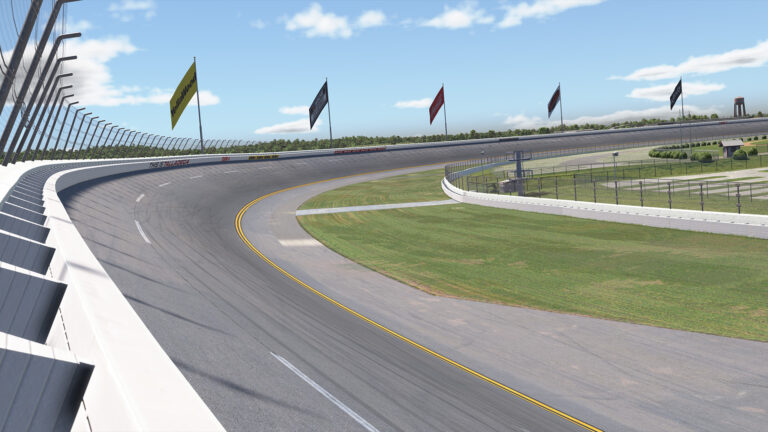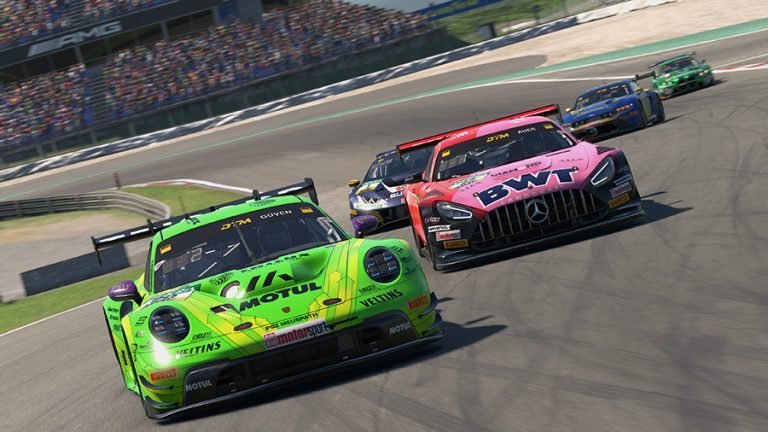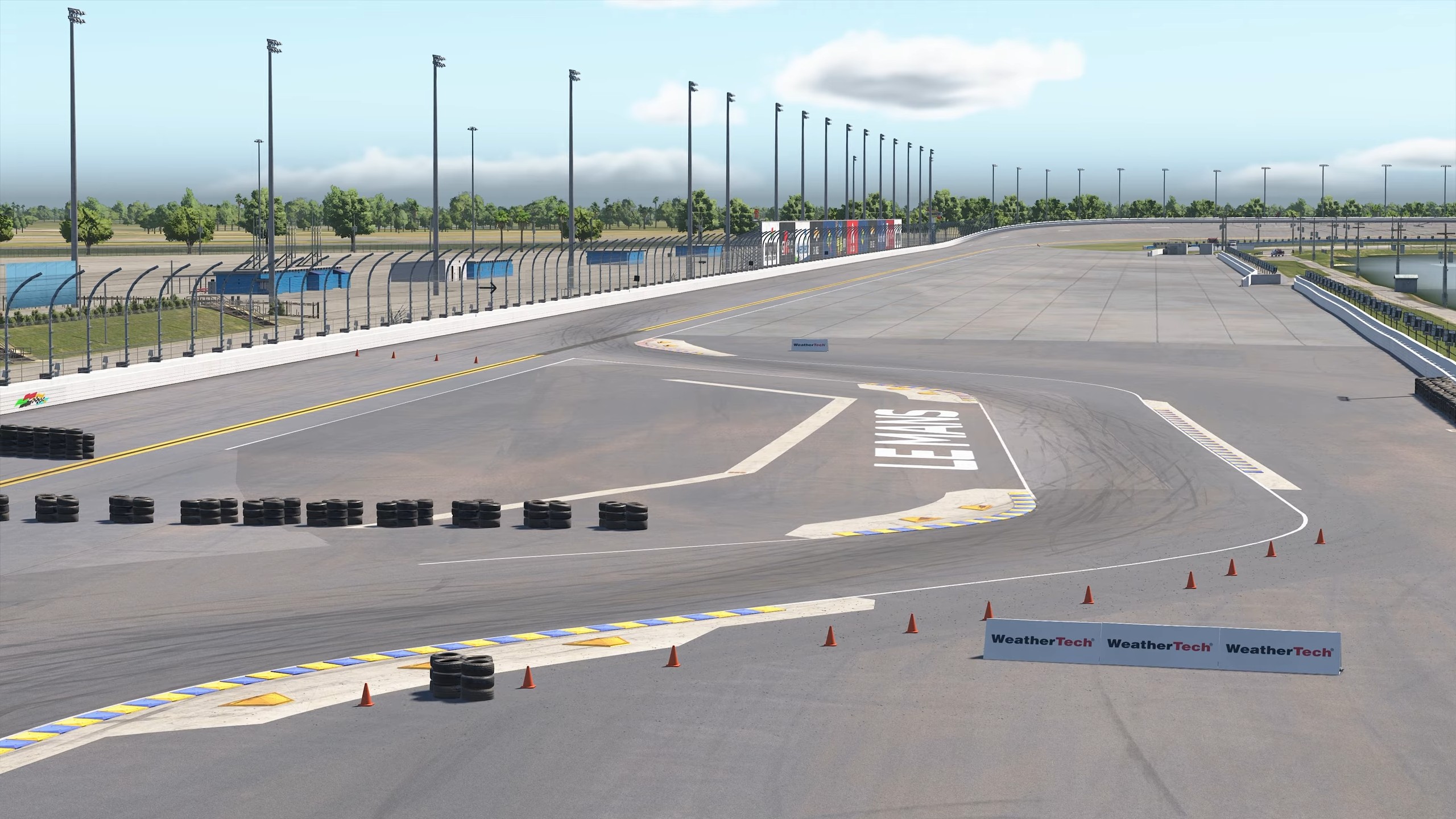
Endurance racing in iRacing is unlike any other test of teamwork.
You can be the fastest driver on your team — but if the group doesn’t communicate, organize stints, or manage fatigue, your race ends long before the checkered flag.
If you’ve ever joined a 24-hour event like Daytona or Le Mans, you already know the truth: the hardest part isn’t speed — it’s finishing together.
This iRacing endurance team guide will show you how to build a reliable team system from the ground up — covering driver roles, stint scheduling, communications, spotter duties, etiquette, and post-race review.
1. Build a Team Before You Build a Setup
Every great endurance effort starts with people, not setups.
Roles You Should Define Early
- Team Captain – Handles logistics: sign-ups, schedule, car choice, setup selection, and Discord coordination.
- Lead Engineer – Monitors telemetry or garage notes, manages tire and fuel targets, and ensures consistency.
- Primary Drivers – The anchors. These drivers handle critical stints (starts, finishes, night hours).
- Support Drivers – Fill gaps and adapt to fatigue windows. Reliable, steady pace > outright speed.
- Spotter/Strategist – Tracks race info, flags, traffic, pit delta, and keeps the group calm during pressure.
Each person should know their lane before race week. Clear roles avoid “too many cooks” syndrome — one of the top causes of mid-race chaos.
2. The Week Before: Preparation is the Real Race
Most failed endurance attempts fall apart before the green flag.
Here’s what your final prep week should include:
- Shared Spreadsheet or Tracker – Record lap averages, fuel burn per stint, and tire wear.
- Setup Consensus – Avoid endless tweaking. Choose one stable baseline and stick with it.
- Stint Simulations – Each driver should complete a full fuel stint in practice to test comfort and consistency.
- Comms Check – Confirm mic clarity, Discord stability, and push-to-talk mapping.
- Backup Plan – Have a substitute driver and clear procedure if someone disconnects or oversleeps.
Preparation reduces stress — and in a 24-hour race, stress causes mistakes faster than fatigue.
3. Stint Planning: Rhythm Over Speed
Think of a 24-hour race as a relay marathon, not a sprint. Your goal is to build rhythm that keeps the car safe and competitive.
Basic Stint Math
- LMP2 / GT3 / GT4: Roughly 45–60 minutes per stint depending on fuel and tires.
- Driver Swap Time: Add ~2 minutes for pit transition and entry checks.
- Rest Cycles: For every hour in the car, plan 2 hours off — one to review data, one to rest.
A well-organized rotation often looks like this:
- Driver A: Stint 1–2
- Driver B: Stint 3–4
- Driver C: Stint 5–6
- Repeat cycle
Even if one driver is faster, consistency always wins endurance events. Don’t overload anyone — fatigue multiplies risk exponentially.
4. The Communication Protocol
In endurance racing, how you talk matters more than how much you talk.
Keep comms structured and calm — panic spreads faster than a slow puncture.
Voice Etiquette
- Only one person speaks at a time.
- Keep messages short: “Car right, clear. Gap five seconds.”
- No complaints, no excuses, no venting mid-stint.
- Confirm pit calls with clear language — “pitting this lap” or “next lap confirmed.”
Information Hierarchy
- Immediate danger (crashes, blue flags, traffic).
- Pit stop timing or strategy updates.
- Long-term info (weather, stint averages).
Every team should have one calm, dedicated spotter/strategist who speaks the least but says the most when it matters.
5. Spotter Duties: Your Eyes When You’re Blind
The spotter is the unsung hero of every endurance race. Their job goes far beyond saying “car left.”
Here’s what a top-tier spotter manages:
- Traffic Forecasting: Tells the driver when GT cars are approaching or prototypes are coming up.
- Fuel Projection: Estimates laps remaining and tells driver when to box.
- Incident Tracking: Keeps an eye on nearby accidents or slow zones.
- Gap Awareness: Calls out battles worth defending vs. positions to yield safely.
A good spotter can prevent a crash you never even see coming — and that’s worth hours gained over a 24-hour race.
6. Rejoin Etiquette: Don’t Ruin the Recovery
Rejoining after a spin or pit exit mistake is where most endurance accidents occur.
Golden rules:
- Always rejoin parallel to the track — never at an angle.
- Wait until the racing line is clear before accelerating.
- If you caused the spin, own it; communicate clearly so the team adjusts expectations.
The time you save by forcing a risky rejoin isn’t worth the penalty or damage.
7. Managing Fatigue and Focus
No one stays sharp for 24 hours straight. Fatigue management is as critical as fuel strategy.
- Hydrate constantly. Dehydration destroys focus faster than caffeine restores it.
- Eat light. Heavy food causes sluggishness mid-stint.
- Schedule naps. Even 20-minute power naps reset your reaction time.
- Dim lights and limit noise in the room for drivers off-shift.
Teams that plan for fatigue win races even with slower pace. Alert drivers are fast drivers.
8. Crisis Protocols: When It Goes Wrong
Something will go wrong — and how you react decides whether you recover or collapse.
Common issues to plan for:
- Disconnects: Have a clear procedure for who jumps in next and how to safely rejoin.
- Damage: Decide in advance whether to repair or limp to pit entry based on severity.
- Penalties: Assign one person (usually the captain) to communicate with race control or manage protest submissions.
- Tilted teammates: Keep tempers down. One bad mood can break concentration for the whole team.
The fastest way to lose hours in iRacing endurance is internal drama — not bad luck.
9. Post-Race Review: Finish What You Started
When the checkered flag drops, your job isn’t over.
A 10-minute debrief can make your next event ten times smoother.
Review together:
- What caused your biggest time losses?
- Who handled pressure best?
- Did your communication protocol hold up?
- How did the setup perform over long runs?
Endurance racing is iterative — each race builds the blueprint for the next.
Take your replay, save your stint data, and update your shared team document. You’ll be amazed how much cleaner and calmer your next event feels.
10. Sample Stint Planner (Printable Blueprint)
| Driver | Start Time | Expected Duration | Fuel per Stint (L) | Notes |
|---|---|---|---|---|
| A | 0:00 | 55 min | 65 | Opening stint, traffic management |
| B | 1:00 | 55 min | 65 | Consistency focus |
| C | 2:00 | 55 min | 65 | Runs into night transition |
| A | 3:00 | 55 min | 65 | Fresh rest, mid-stint |
| B | 4:00 | 55 min | 65 | Night run |
| C | 5:00 | 55 min | 65 | Night finish / dawn handoff |
Customize this to your team’s rhythm and rest schedule. Keep a printed or digital copy for quick reference.
11. The Culture of Endurance
The most successful endurance teams have a shared mindset:
- Respect over ego.
- Process over panic.
- Recovery over rage.
Winning 24-hour races in iRacing isn’t about perfection — it’s about staying composed when things fall apart.
Every crash avoided, every calm pit stop, every smart pass under fatigue adds up to the ultimate reward: crossing the line together.
Your first iRacing 24-hour finish will change how you think about racing.
The teamwork, exhaustion, and emotion all combine into something uniquely satisfying.
Follow this iRacing endurance team guide to structure your next race — assign clear roles, schedule smart stints, communicate cleanly, and support each other through the grind.
Speed will come naturally once the foundation is solid. Because in endurance racing, you don’t win by being perfect — you win by never giving up.