The GT4 is one of the most rewarding cars in iRacing once it clicks. Getting it to click takes longer than you’d expect, especially if you’ve spent any real time in formula or touring cars. The instincts that work in those cars don’t transfer well. They actively work against you.
The biggest issue is corner entry. In a formula car, you brake hard, get off the brake early, and the car rotates through its natural front grip. In a GT4, you do that and the car pushes wide. The rear sits, the front understeers, and the lap time falls apart.
The fix isn’t a setup change. It’s how you use the brakes all the way to the apex.
Also See
➡️ iRacing NTMv10: What the New Tire Model Actually Changes
➡️ iRacing Flat Spotting: How It Works and How to Avoid It
What Trail Braking Actually Means
Trail braking means carrying brake pressure past the initial braking zone and into the corner entry, then releasing that pressure slowly as you approach the apex. The goal is to keep weight loaded on the front tires through the whole entry phase, which keeps them generating grip and allows the rear to rotate the car naturally.
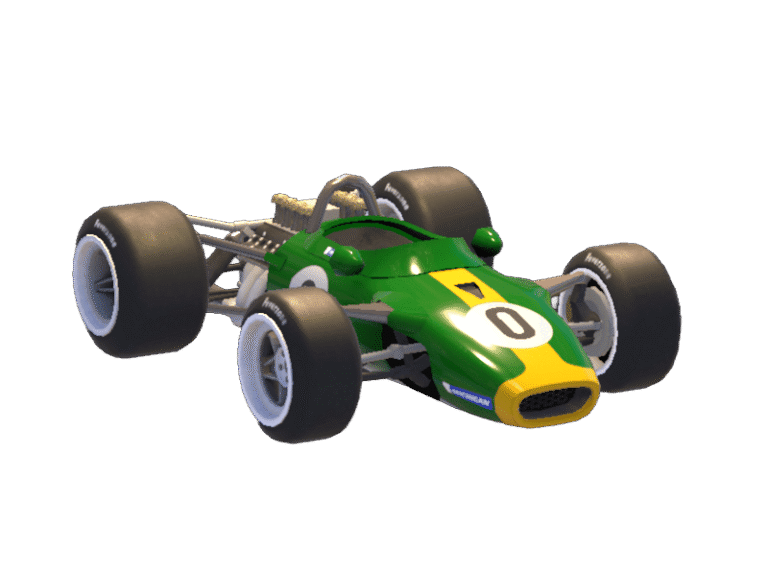
In a formula car, downforce does a lot of the work. The aero loads the front and rear tires independently of weight transfer, so you can afford to get off the brake earlier. The car rotates quickly because the rear is designed to be responsive at high speed. Trail braking still helps in formula cars, but the margin for error is larger and the car will rotate even without it.
In a GT4, there’s almost no aerodynamic downforce at the speeds where you’re doing most of your cornering. The front tires need weight on them to grip. The moment you lift off the brake and the weight transfers back toward the rear, the front loses the grip it needs to turn the car. That’s where the understeer comes from. Not the setup. Not the car being underpowered. It’s from removing the weight that was making the front work.
How to Trail Brake Correctly in the GT4
At your braking marker, apply the brake the way you normally would. The change comes at turn-in. Instead of reaching zero brake pressure at the turn-in point, carry roughly 20 to 30 percent brake pressure as you begin to steer. From there, release progressively through the corner entry, reaching zero right around the apex.
The release has to be slow and controlled. A fast release dumps the weight back to the rear and you’re back to understeer. A slow, progressive trail of the brake keeps the front loaded and lets the rear rotate the car on its own. When you get it right, the nose will come in without any extra steering input. The car rotates by itself because the weight is in the right place.
The other critical adjustment is throttle patience. Even after the car has rotated and you’re pointing at the apex, adding power too early will kick the rear out or cause exit push. Wait until the car is fully settled and pointing where you want before you build power. The GT4 rewards patience at every stage of the corner, and the exit is no different.
How GT4 Compares to Other Car Types
The contrast with formula cars is the most obvious, but the GT4 drives differently from most of what’s in the iRacing garage.
Touring cars like the Hyundai Elantra N TC or the Audi RS3 LMS are in a similar weight range, but they tend to rotate more readily because of the wider contact patch relative to power output. You can get away with a faster throttle application and a slightly less precise trail brake. The technique still applies, but the car is more forgiving of small mistakes at corner entry.
GT3 is the natural step up. More power, more downforce at speed, and similar suspension geometry to the GT4. The trail braking fundamentals carry over almost directly. At slow corners the technique is essentially the same. At faster corners, the additional downforce gives you more grip to work with, which adds margin without changing the core approach to corner entry.
GTP and prototype cars bring a lot more downforce into the equation. At high-speed corners the aero generates grip independently of braking, which shifts when you can get back on the gas. At slow corners you’re still trail braking the same way. The transition between those two modes is where prototype driving gets complicated, but the foundation is the same as what you’re building in the GT4.
The GT4 sits in a demanding middle position: less grip than GT3, almost no downforce compared to prototypes, and more demanding than touring cars on corner entry technique. It punishes bad trail braking more clearly than most other classes, which makes it a good car to genuinely learn the skill before stepping up the ladder.
Common Mistakes
Getting off the brake too early is the most common. It feels right because it works in formula cars. In a GT4, early brake release causes most corner entry understeer. Stay on the brake longer than feels natural and watch what happens to the rotation.
Adding throttle before the car settles is the second. If the rear is still moving and you apply power, you’ll either spin or push wide on exit. Let the rotation finish before you drive out of the corner.
Carrying too much brake too deep and washing past the apex is the third. Trail braking doesn’t override the need for a sensible entry speed. If you arrive at the apex with the front still loaded and the car going wide, the entry speed is too high. Adjust that first, then refine the brake release.
How to Build the Feel
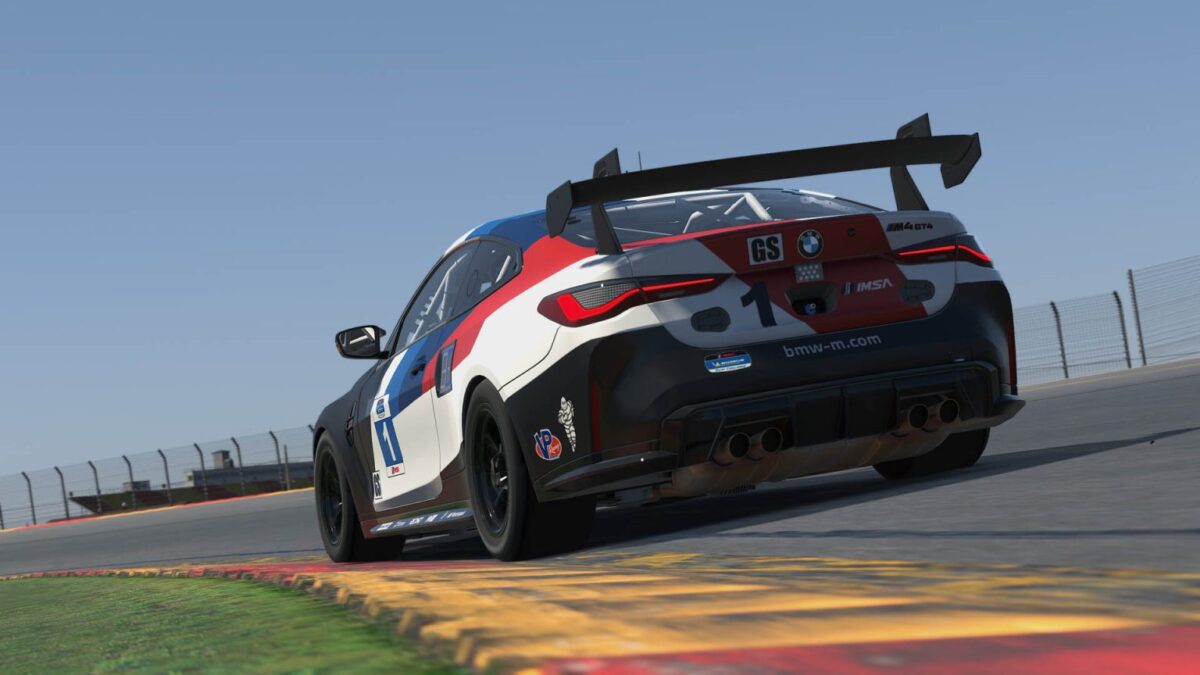
Pick one corner and work on it for a full session. The BMW M4 GT4 is a good car to start with because it’s balanced and predictable once the technique is right. Focus on the corner entry specifically: whether the nose is coming in naturally or you’re chasing it with steering corrections.
When the trail brake is working, the car rotates with minimal steering input. You’ll feel the rear step slightly and the nose come around on its own. That sensation is what you’re looking for. Once you know what it feels like, you can start repeating it and eventually find it consistently. Everything else about the GT4 gets easier from that point.