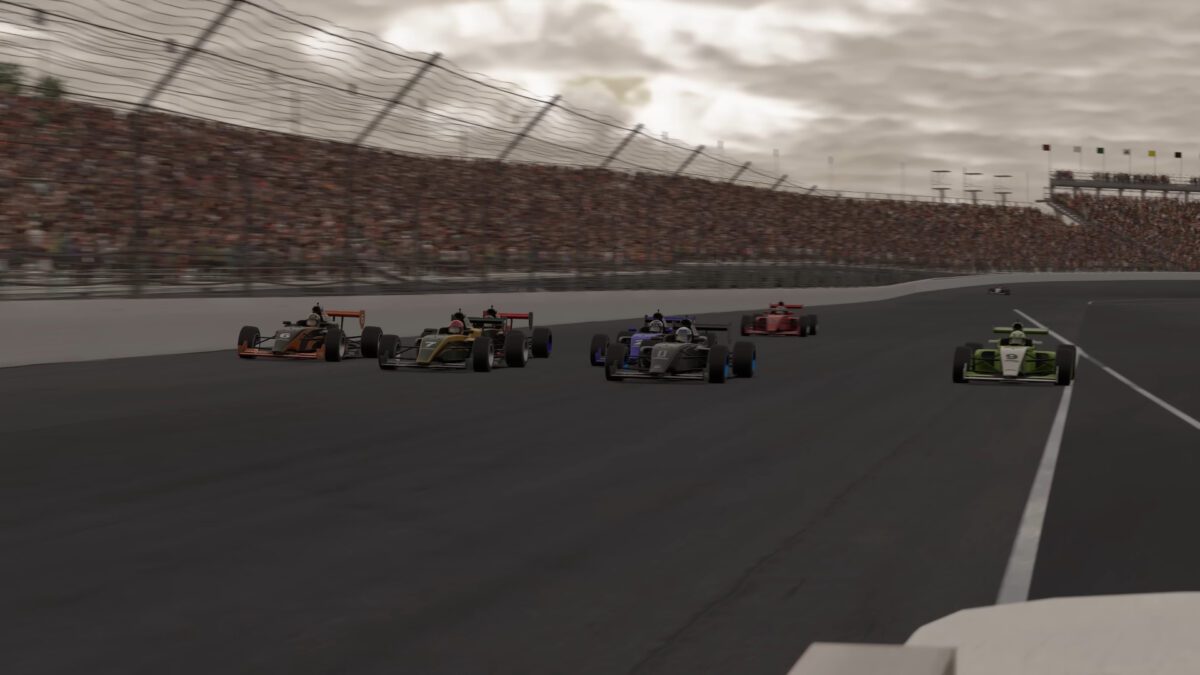
The iRacing Indianapolis 500 2026 is the sim’s flagship annual special event. It runs the full 500-mile distance at Indianapolis Motor Speedway. The race is open to any iRacer who wants to enter, and it runs across competitive splits from the top iRating tiers down to drivers running their first oval special event. Here’s what to know before you sign up.
The 2026 iRacing Indianapolis 500: Open vs Fixed Format
The event runs in two formats: Open setup and Fixed setup. Open allows drivers to run any legal setup. This is where the highest-level competition sits, and setup optimization plays a meaningful role in lap time.
Fixed format issues a standardized setup to all drivers. This levels car-to-car differences and shifts the competitive weight toward racecraft, positioning, and strategy. For most iRacers, Fixed is the better entry point. The cars are equal at the setup level. The racing tends to be close as a result. The pressure comes from driving execution, not from having a perfectly dialed car.
Both formats run in splits organized by iRating. So most drivers will compete against others at a comparable level throughout the race.
The Car and Track
The event uses the Dallara IR-18 IndyCar at Indianapolis Motor Speedway Oval. Indianapolis Oval works well for a 500-mile event. The distance creates real tire and fuel strategy decisions. The track is wide enough that passing is possible in multiple locations. Additionally, the slipstream plays a significant role in drafting and positioning throughout.
The IR-18 at Indianapolis runs at high average speeds. The consequence of contact at these speeds is high. Because of this, how aggressively you race other drivers changes at different points in the distance compared to shorter events.
Pre-Qualifying and Registration
The iRacing Indianapolis 500 2026 uses a pre-qualification system. To take the start, you need to set a qualifying time during the pre-qual window before race week. Times set during pre-qualifying determine starting positions. Furthermore, only drivers who set a pre-qual time are eligible to race at all.
This is worth knowing well before race week begins. Unlike a standard iRacing session where you simply join, the Indy 500 requires advance action. Missing pre-qualifying means missing the race, regardless of how prepared you are on race day. Don’t leave the qualifying lap until the last minute.
How to Approach the Race
Indianapolis Oval rewards patience and consistency over aggression. This is particularly true over 500 miles. Positions made in the first 20 laps can change many times before the finish. Understanding when to draft, when to make a move, and when to give a position to avoid contact matters more than raw pace at any given moment.
The opening lap is the highest-risk period. Large grids at high speeds with drivers of varying oval experience create elevated incident chances at the start. Giving a small amount of space early is almost always the correct call. It costs less than one incident at race speed.
Fuel strategy will play a role depending on the split and race conditions. Pay attention to pit windows. Additionally, don’t get caught out by a caution or an undercut from a competitor who stayed out longer. A well-timed pit stop during a caution window can move you significantly through the field.
For road racers making the crossover, the Indy 500 is a worthwhile experience. The skill set is different. The mental model for positioning is different. Running 500 miles is a proper endurance challenge. It’s one of the best events on the iRacing calendar, and it’s worth doing at least once.