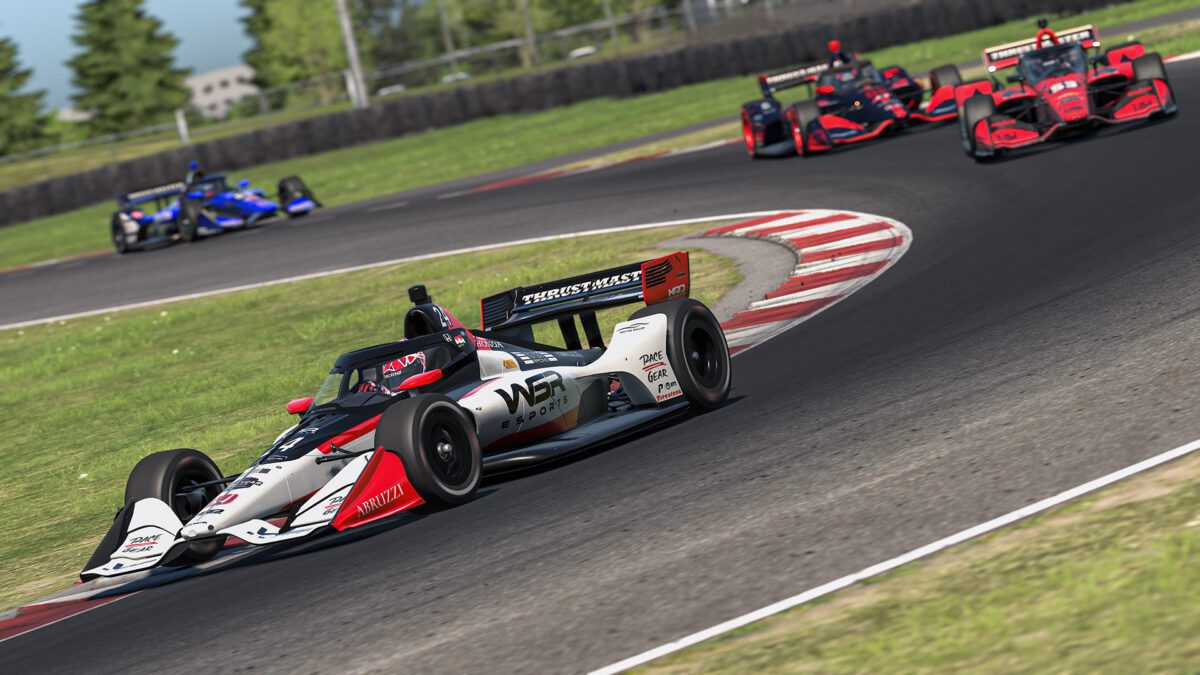
First-lap pile-ups in iRacing are one of the most frustrating parts of the service. A recent r/iRacing thread had 47 comments after a driver posted a replay of being taken out on the formation lap before the green flag flew. Some comments were angry, some were confused, and a few were genuinely useful. This guide answers the question everyone in those threads keeps arguing about.
Also See
➡️ How to Race Clean in iRacing
The race leader in iRacing has real control over the start. However, that control has specific limits. Understanding where those limits are helps you avoid causing incidents and gives you a clear picture of when a protest is legitimate.
What the Leader Can and Cannot Do
On a rolling start, the pole-sitter controls the pace through the formation lap. They can slow to manage spacing in multiclass races. They can weave slightly to warm up tires. Because some speed variation is a normal part of a rolling start, this is legal. However, the leader cannot brake-check the field deliberately or drive in a way that gives the cars behind no time to react.
The general rule that iRacers agree on: the leader must not cause sudden, unpredictable speed changes. Any sharp deceleration creates an unavoidable chain reaction because the cars behind are following at close range. iRacing’s protest system recognizes deliberate brake-checking as protestable. However, if you are following too closely when the leader slows for a legitimate reason, some responsibility for the chain reaction shifts to you. Furthermore, the leader controls when to accelerate into the start zone. Late green flag timing by the leader is legal. Additionally, the leader is allowed to defend their position at the start once the flag flies.
What the Field Must Do
The field has its own obligations. Every car behind the leader must hold their grid position during the formation lap. You do not pass, and you do not move to block others. Additionally, you must give the leader room to control the pace without crowding from behind.
Gap management is the most important skill for following drivers. Because the leader can slow on a formation lap, everyone behind must anticipate that possibility and leave enough room to brake safely. If the leader slows for a legitimate reason and you were tailgating, you will take the incident flag regardless of who set the pace. Consequently, holding a car length or two from the car ahead throughout the formation lap is the correct approach.
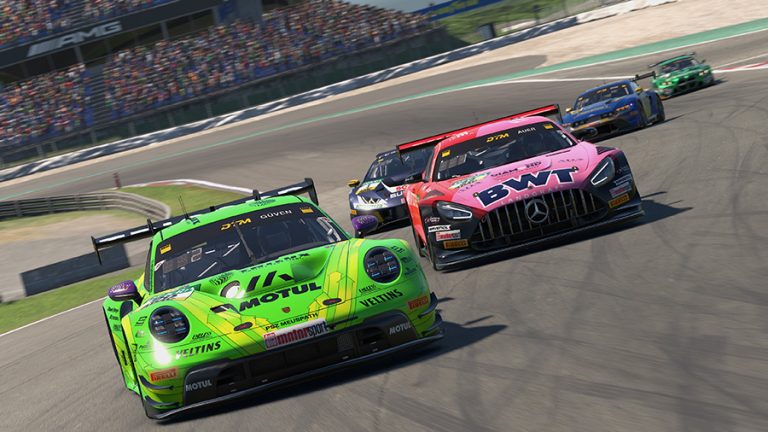
In the moment before the green flag, the field should build speed together. Breaking from your row to close aggressively on the car ahead is the single most common cause of first-lap pile-ups. The gap to the car ahead in your row is your gap to hold. Closing it hard during the start sequence turns a clean start into a field-wide incident. Therefore, resist the urge to time the start early. The positions you gain in the first 200 meters are almost always lost in the first corner.
When a Formation Lap Incident Is Protestable
Most incidents at race starts are not protestable on their own. They tend to result from poor technique rather than intentional contact. However, there are clear exceptions. Deliberate brake-checking on the formation lap is protestable. Moving to block a specific driver off the line is protestable. Making contact with no reasonable effort to avoid it can also be protested with clear video evidence.
The key factor in most successful protests is intent. iRacing stewards look at whether the driver could have avoided the incident with reasonable driving. Because formation lap pile-ups often have a single root cause several cars back, the driver who started the chain reaction may carry more responsibility than the one who made the final contact. Therefore, when you file a protest, identify the original cause in the replay rather than the most visible contact at the end of the chain.
One practical note: if the leader causes a chain reaction but was responding to a legitimate situation ahead, the protest becomes complicated. In those cases, stewards look at whether the leader’s response was proportionate. A full emergency stop when nothing ahead required it is very different from a gradual slowdown to manage gaps. Additionally, iRacing’s incident system can sometimes flag the wrong driver when multiple cars are involved, which is why video evidence matters in any protest.
How to Survive the First Lap in Mixed Lobbies
Mixed-skill lobbies are where most formation lap disasters happen. Because lower-split races have a wider range of driving experience, the gaps in understanding of the rules are wider too. A few adjustments help significantly.
Start every race expecting at least one driver near you to do something unpredictable. Leave more room than you think you need. Position yourself away from the inside of the first corner, where pile-ups tend to concentrate. If you qualify mid-pack or lower, surviving lap one clean is worth as much as any position you could gain through aggression.
Starting in the top half of the field is generally simpler because the cars around you have earned that position through pace. However, starting in the bottom half means you are surrounded by drivers who may not understand formation lap rules. In those races, a conservative first lap is almost always the faster strategy over the full race distance.
Grid starts in iRacing are different from rolling starts. On a standing start, the green flag is the only signal and every driver launches from rest at the same moment. The first braking zone is where danger concentrates. Patience off the line and a conservative entry into the first corner is usually worth the small time cost compared to the drivers who overdrive into the corner and spin.
The formation lap and race start are learnable. The drivers who handle them consistently are not doing anything special. They understand the rules, they leave margin, and they resist the temptation to gain positions before the first corner. Because most of the field is trying to do the same thing, a clean start is worth considerably more than an aggressive one in almost every split.