How to Avoid Crashes in iRacing: Racecraft Tips for Cleaner Racing
Most iRacing crashes follow predictable patterns. This guide covers the racecraft decisions that lead to fewer incidents, cleaner finishes, and a Safety Rating that actually climbs.

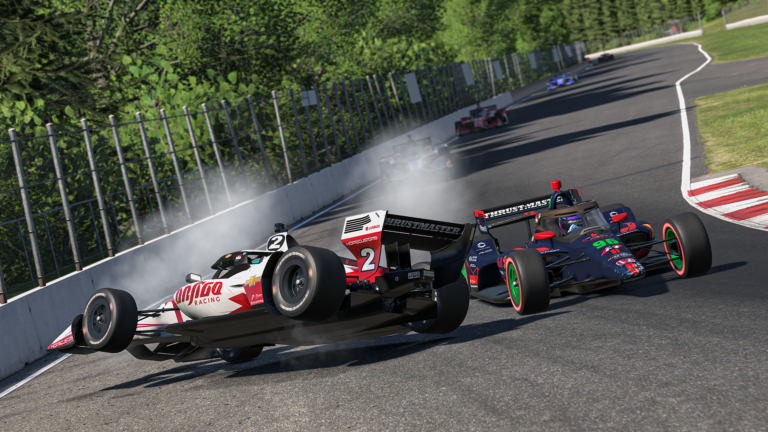
Most iRacing crashes follow predictable patterns. This guide covers the racecraft decisions that lead to fewer incidents, cleaner finishes, and a Safety Rating that actually climbs.
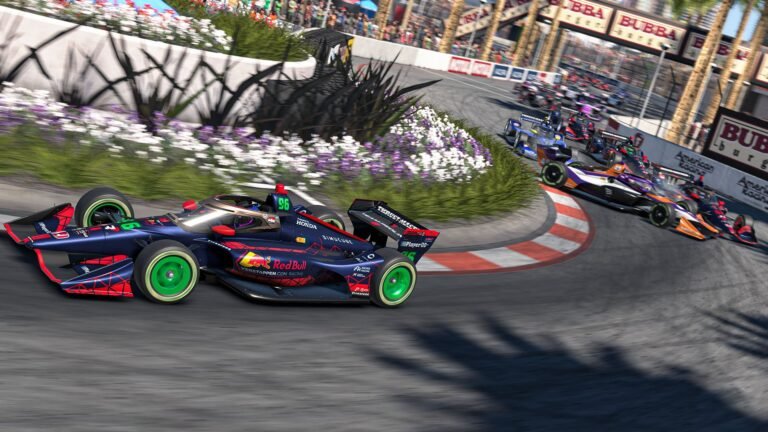
Not every incident in iRacing hits your Safety Rating the same way. Here is how the corners-per-incident system actually works and when your license is genuinely at risk.

Endurance races amplify every frustration. Multiclass chaos, long stints, team mistakes. Here is how to manage the mental game and stay competitive when everything goes sideways.
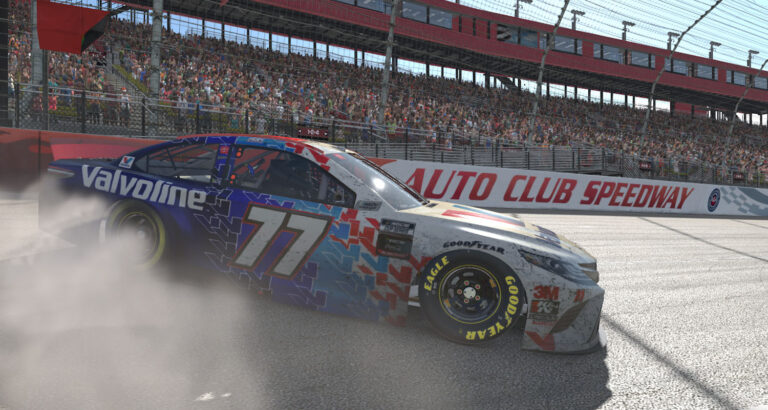
Turn license gains into win certificates with a step-by-step plan you can actually follow.
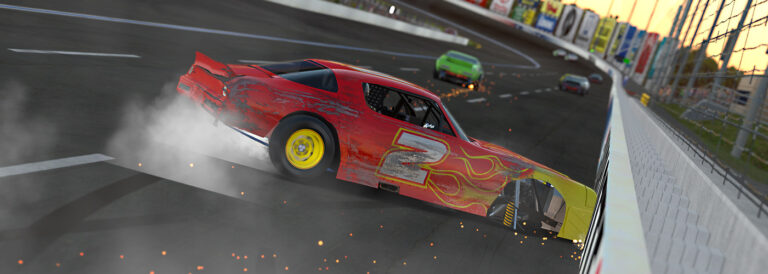
iRacing treats reckless and malicious driving differently in its protest system. Here is what that distinction means, why the line is drawn there, and what you can do about reckless incidents on track.
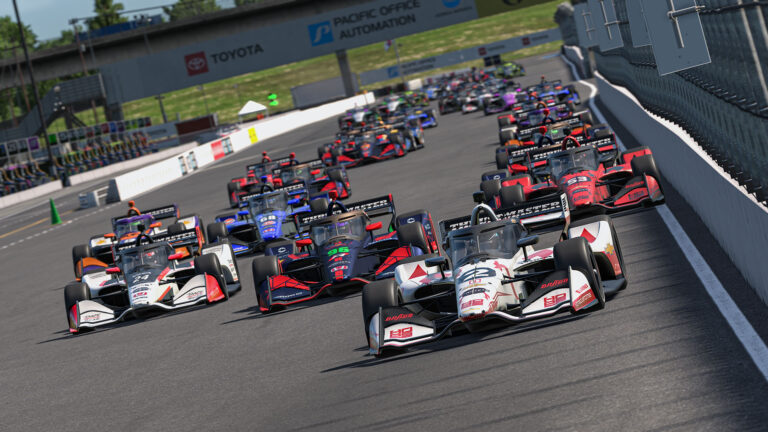
Racing clean in iRacing is about more than avoiding contact. Here is a practical guide to the habits, mindset, and techniques that protect your Safety Rating race after race.

The fastest lap time and the most defensible race setup are not always the same thing. Here is when to go low downforce in iRacing and when to stay high.
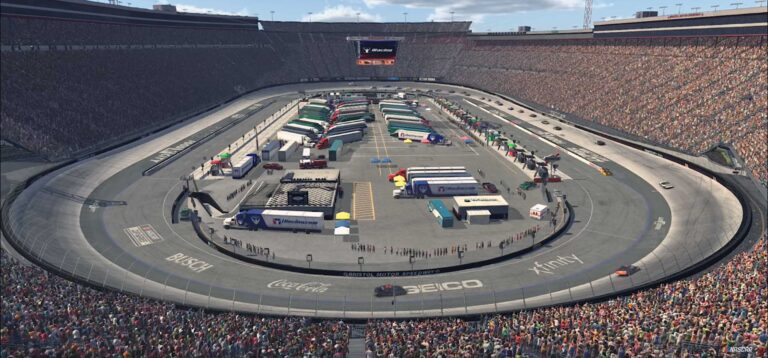
Safety Rating in iRacing runs on a scale from 0.00 to 4.99. What counts as a good Safety Rating in iRacing depends on your license level and goals. Here is what each range means and how to build yours.

Getting out of iRacing Rookies isn’t about pit-starts or SR farming—it’s about clean pace. This guide gives you a weekly plan, qualifying habits, Lap-1 survival strategy, and simple drills so you promote naturally and arrive competitive in D/C/B.
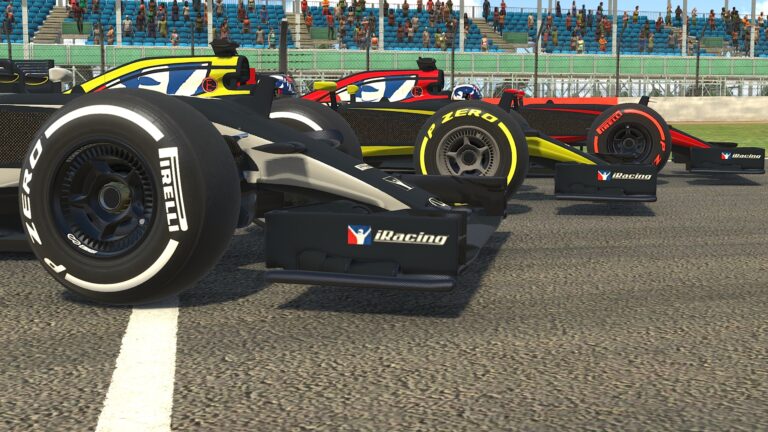
Safety Rating feels unfair when other people wreck into you. Here’s how to flip the script: treat SR as a defensive driving score, change your lap-one choices, and use longer races to rank up fast.
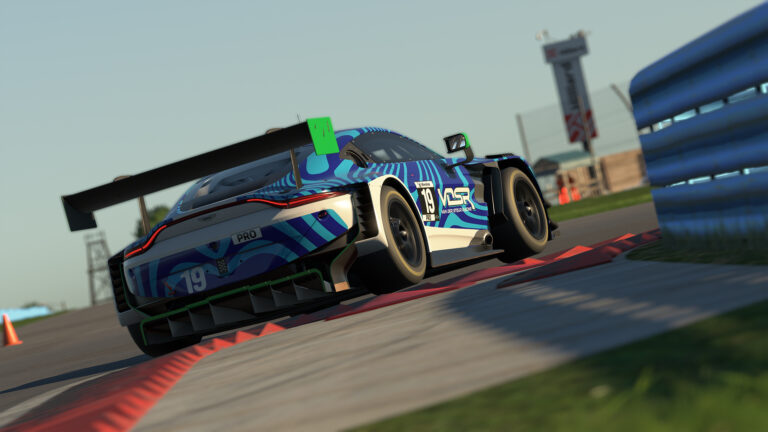
iRacing’s Safety Rating can be confusing. This guide breaks down how iRacing Safety Rating works, what the numbers mean, and how to rank up faster by racing smarter.
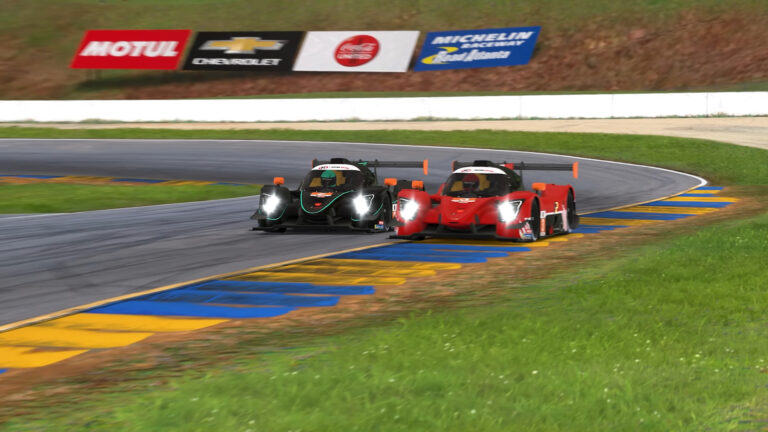
For new iRacers, few things are more confusing — or frustrating — than the iRacing incident system. You might be driving clean laps, get rear-ended by another car, and suddenly see your Safety Rating drop. It’s easy to feel like the system is unfair, but once you understand how it works and what it measures,…
We use cookies to improve your experience on our site. By using our site, you consent to cookies.
Manage your cookie preferences below:
Essential cookies enable basic functions and are necessary for the proper function of the website.
Statistics cookies collect information anonymously. This information helps us understand how visitors use our website.
Google Analytics is a powerful tool that tracks and analyzes website traffic for informed marketing decisions.
Service URL: policies.google.com (opens in a new window)
You can find more information in our Cookie Policy and Privacy Policy.